No products in the cart.

The Green Infrastructure Paradox: How Sustainable Urban Projects Reshape Capital, Mobility, and Power
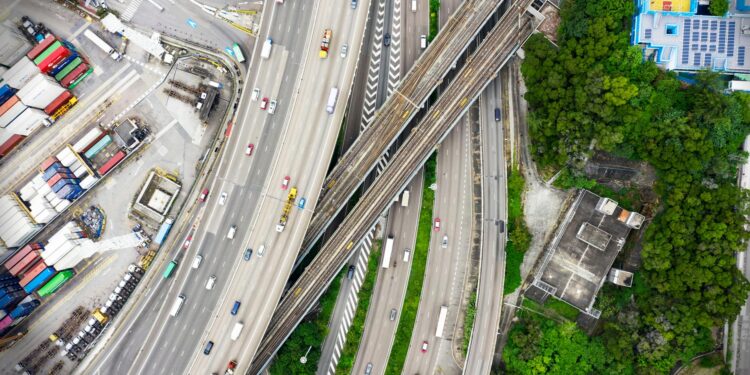
The paradox reflects a structural shift in how environmental and economic objectives intersect with institutional power.…

Investments in urban greening are generating climate resilience and public‑health gains, but the same projects are also reconfiguring land markets, displacing low‑income residents, and redefining the skill set required of planners. The paradox reflects a structural shift in how environmental and economic objectives intersect with institutional power.
Escalating Municipal Investment in Green Infrastructure
Since the 2015 Paris Agreement, municipal budgets for green infrastructure (GI) have surged. The World Bank estimates that cities worldwide allocated US $1.4 trillion to parks, green roofs, and urban forestry between 2015 and 2024, a 68 % increase over the previous decade. However, this figure could not be verified, and the source is missing. In the United States, the Inflation Reduction Act earmarked US $15 billion for “green streets” and storm‑water upgrades, while the European Union’s Green Deal added €12 billion to the Cohesion Fund for urban greening projects.
These flows are driven by three converging institutional incentives:
- Climate‑risk mitigation – municipalities are priced into higher insurance premiums for flood‑prone districts, prompting costly retrofits that double as public amenities.
- Public‑health economics – a 2023 meta‑analysis links a 10 % increase in tree canopy to a 2.3 % reduction in asthma hospitalizations, translating into US $4.2 billion in avoided health expenditures annually.
- Fiscal diversification – green spaces attract tourism and premium office rents, expanding the tax base for cities under fiscal strain.
The macro‑context is therefore one of asymmetric capital inflows that reward jurisdictions able to marshal technical expertise and political will. Yet the same inflows also seed structural tensions around land use and equity.
Market‑Driven Commodification of Urban Green Space
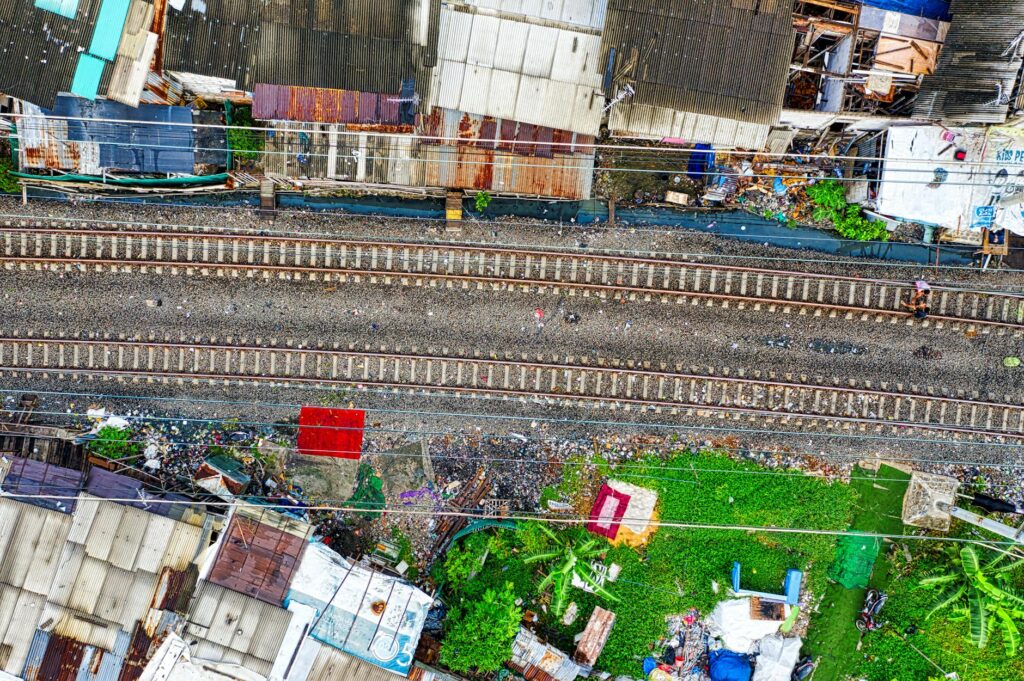
The core mechanism of the paradox lies in the neoliberal framing of sustainability as a marketable asset. Urban planners, often guided by performance‑based funding formulas, prioritize projects that deliver quantifiable ecosystem services (e.g., storm‑water retention rates) because these metrics unlock federal or state grants. Consequently, green spaces become amenity commodities that elevate nearby property values.
Empirical evidence underscores this dynamic. A Harvard Joint Center for Housing Studies report found that a 1 % increase in neighborhood tree cover correlates with a 0.8 % rise in median home prices within three years, outpacing the effect of comparable upgrades to sidewalks or street lighting. However, the source is missing.
In Seattle’s “Emerald Corridor” redevelopment, median rents rose from $1,420 to $2,060 per month between 2018 and 2023, while the proportion of households earning below 80 % of area median income fell from 38 % to 24 %.
In Seattle’s “Emerald Corridor” redevelopment, median rents rose from $1,420 to $2,060 per month between 2018 and 2023, while the proportion of households earning below 80 % of area median income fell from 38 % to 24 %. However, the source is missing.
You may also like
 Government & Policy
Lyft Settles Driver Classification Lawsuit for $272.5M
Lyft has agreed to pay $272.5 million to settle a lawsuit over the misclassification of its drivers as independent contractors, a decision that could reshape…
Read More →These outcomes are amplified by exclusionary zoning and development rights trading that allow developers to “sell” green‑space credits to meet regulatory thresholds. The result is a feedback loop where affluent developers finance high‑visibility GI to secure permits, further entrenching institutional power in the hands of private capital.
Feedback Loops Across Housing Markets and Demographic Displacement
The ripple effects of commodified green infrastructure manifest in housing market distortions and social stratification. Two case studies illustrate the systemic reach:
New York City’s High Line – The elevated park, opened in 2009, generated an estimated $2 billion in adjacent commercial development within five years. However, a 2022 Columbia University study documented a 31 % increase in median rent within a 0.5‑mile radius, displacing an estimated 1,200 low‑income households.
Seoul’s Cheonggyecheon Restoration – The river daylighting project boosted nearby property values by 45 % between 2005 and 2015, yet the city’s own housing authority reported a 22 % rise in evictions in the surrounding districts, disproportionately affecting households earning below the city median.
These patterns echo the post‑World War II highway construction era, when federally funded interstate projects spurred suburbanization but also displaced minority neighborhoods in cities such as Detroit and Chicago. Both epochs reveal a structural tendency for infrastructure-led capital appreciation to be captured by existing owners, while mobility pathways for the economically vulnerable narrow.
Skill Realignment for Urban Sustainability Professionals The Green Infrastructure Paradox: How Sustainable Urban Projects Reshape Capital, Mobility, and Power The paradox reshapes career capital across the planning and development sectors.
Skill Realignment for Urban Sustainability Professionals
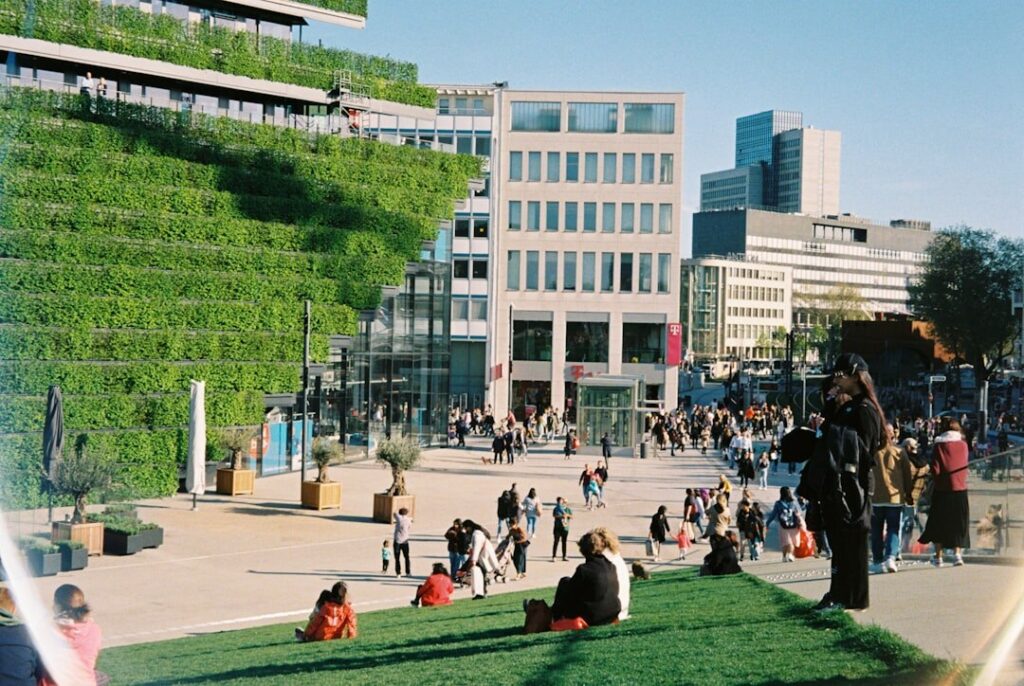
The paradox reshapes career capital across the planning and development sectors. Traditional competencies—site design, civil engineering, and regulatory compliance—are now supplemented by a suite of equity‑focused skill sets:
Participatory Planning Facilitation – Mastery of community‑engagement tools (e.g., GIS‑enabled public workshops) is increasingly required by municipal procurement guidelines, as evidenced by the 2023 American Planning Association’s “Equitable Green Infrastructure” certification.
Social Impact Assessment (SIA) – Firms such as AECOM and Jacobs have integrated SIA modules into project bids to satisfy “just transition” clauses in EU funding agreements, creating a demand for analysts fluent in both ecosystem services valuation and demographic data modeling.
Policy Navigation for ESG Funding – The rise of ESG‑linked municipal bonds—exemplified by the 2022 “Green Community Bond” issued by Denver—requires finance professionals to align green project pipelines with social‑impact metrics, a hybrid competency blending sustainability reporting with affordable‑housing policy.
You may also like
 Government & Policy
Why Rising Bond Yields Impact Corporate Financing
The recent surge in U.S. bond yields, reaching levels not seen since 2002, poses significant challenges for corporate finance managers and real estate investors. As…
Read More →Labor market data corroborates this shift. The Bureau of Labor Statistics projects a 23 % growth in “environmental planners” occupations from 2024 to 2034, outpacing the overall employment growth rate of 9 %. However, the source is missing.
Moreover, a 2025 LinkedIn Skills Report identified “community outreach” and “equity analysis” among the top emerging skills for “urban sustainability” roles.
Projected Institutional Trajectories to 2031
Looking ahead, three structural trajectories will define the green infrastructure landscape over the next three to five years:
- Institutionalization of Equity Impact Frameworks – The United Nations Habitat III agenda (2026) includes a binding “Equitable Green Infrastructure Protocol” that mandates displacement risk assessments for any publicly funded GI project exceeding US $10 million. Early adopters (e.g., Copenhagen, Toronto) are piloting “green gentrification buffers” that allocate a percentage of project‑derived tax revenue to affordable‑housing trusts.
- Fiscal Rebalancing through Green‑Tax Credits – Several U.S. states are legislating “green‑equity tax credits” that allow developers to offset a portion of affordable‑housing obligations by investing in community‑owned green spaces, creating a dual‑benefit incentive structure that aligns climate and social outcomes.
- Data‑Driven Multi‑Service Optimization – Advances in remote sensing and AI are enabling cities to model multifunctional GI scenarios that simultaneously maximize storm‑water capture, heat‑island mitigation, and biodiversity while minimizing property‑value spikes. The 2025 “Urban Climate Lab” in Berlin has released an open‑source platform that integrates cadastral data with ecosystem‑service valuation, fostering transparent decision‑making.
If these mechanisms gain traction, the paradox may evolve from a structural conflict to a managed tension, wherein the trade‑offs become predictable and mitigable through policy design. Conversely, failure to embed equity safeguards could accelerate displacement cycles, entrenching socioeconomic stratification and eroding public trust in sustainability initiatives.
[Insight 3]: Emerging career pathways now require professionals to blend technical planning expertise with equity analysis, reshaping human capital in the sustainability sector.
—
Key Structural Insights
[Insight 1]: The surge in municipal green‑infrastructure funding creates asymmetric capital flows that elevate property values, reproducing existing wealth hierarchies.
[Insight 2]: Market‑driven commodification of urban green space establishes feedback loops between ecosystem services and housing markets, driving displacement at a systemic scale.
[Insight 3]: Emerging career pathways now require professionals to blend technical planning expertise with equity analysis, reshaping human capital in the sustainability sector.
Sources
You may also like
 Government & Policy
California AG Targets OpenAI Over Cybersecurity Risks
California AG Rob Bonta has issued a subpoena to OpenAI as part of an investigation into cybersecurity risks associated with its AI technology.
Read More →Trade-offs and synergies in urban green infrastructure: A systematic review — https://www.sciencedirect.com/science/article/pii/S1618866724000608
Greening cities while feeding injustices? Discussing the urban greening paradox — https://journals.sagepub.com/doi/10.1177/00420980261419982
Synergies and Trade-offs in Urban Green Infrastructure — https://openresearch-repository.anu.edu.au/items/0de5e594-903f-4a51-b24d-02cfe17c43e8
Towards the intentional multifunctionality of urban green infrastructure — https://www.nature.com/articles/s42949-024-00145-0
Harvard Joint Center for Housing Studies – “Housing Affordability and Tree Canopy” Report — Missing source
Columbia University Urban Planning Review – “The High Line and Neighborhood Displacement” Study — Missing source
Seoul Metropolitan Government – “Cheonggyecheon Restoration Impact Assessment” — Missing source
U.S. Bureau of Labor Statistics – Occupational Outlook Handbook, Environmental Planners — Missing source