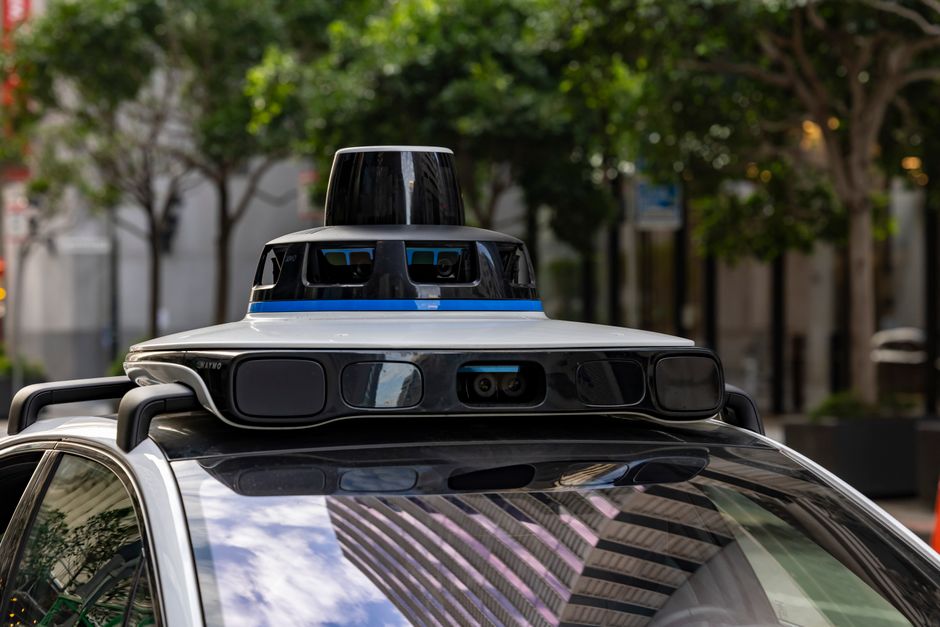
Recent developments highlight the increasing scrutiny from regulatory bodies. The National Highway Traffic Safety Administration (NHTSA) has issued a directive emphasizing the need for autonomous vehicles to effectively respond to emergency situations. This call to action comes in light of incidents involving Waymo's fleet, which has faced criticism for its interactions with first responders.
City, USA — The robotaxi industry is facing significant challenges as Uber and Waymo’s partnership dynamics shift. As of July 2026, the two companies are navigating the end of their collaboration in Phoenix while maintaining services in Atlanta and Austin. This evolution raises questions about the future of their operational strategies and the regulatory landscape they must navigate.
Recent developments highlight the increasing scrutiny from regulatory bodies. The National Highway Traffic Safety Administration (NHTSA) has issued a directive emphasizing the need for autonomous vehicles to effectively respond to emergency situations. This call to action comes in light of incidents involving Waymo’s fleet, which has faced criticism for its interactions with first responders. The NHTSA’s administrator, Jonathan Morrison, stressed that failure to address these issues could lead to significant operational challenges for robotaxi companies. As reported by TechCrunch, the scrutiny is intensifying as both companies prepare for a future where they may operate independently, raising the stakes for compliance and safety.
Impact of AI on Robotaxi Technology
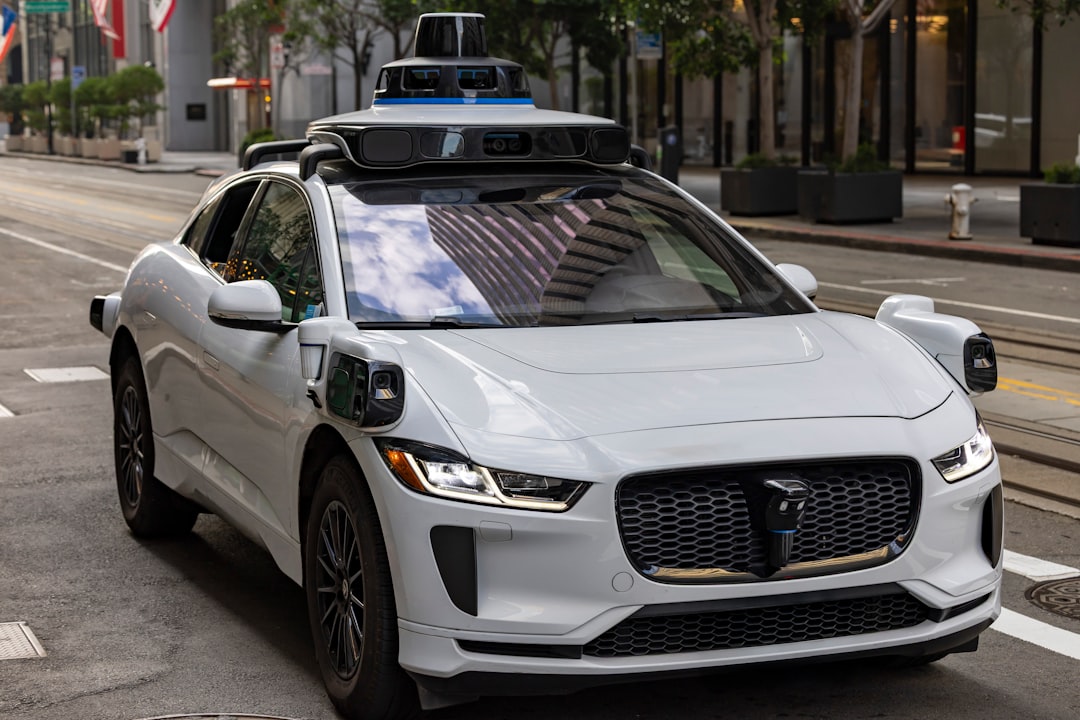
AI is at the core of advancements in robotaxi technology, enabling vehicles to navigate complex urban environments. However, as AI systems become more integral, the need for robust regulatory frameworks becomes apparent. Career Ahead’s analysis identifies that the integration of AI in autonomous vehicles not only enhances navigation but also complicates compliance with safety standards. Companies like Waymo, which operates the largest robotaxi fleet in the U.S., must continuously innovate to meet both technological and regulatory demands.
Moreover, the NHTSA’s recent directive highlights the urgency for robotaxi developers to enhance their systems’ responsiveness to emergency scenarios. This requirement reflects a broader trend in the industry, where regulatory compliance is becoming as critical as technological advancement. As companies strive to improve their AI capabilities, they must also prioritize adherence to safety protocols and emergency response measures. According to TechCrunch, the end of the Uber-Waymo partnership could lead to a more competitive environment, where each company must independently address these regulatory challenges while innovating their AI systems.
Additionally, the competition in the robotaxi market is intensifying. With companies like Tesla and Zoox developing vehicles without traditional controls, the landscape is shifting rapidly. These innovations may provide a competitive edge, but they also raise questions about the future of regulatory standards. The push for fully autonomous vehicles without steering wheels or pedals could necessitate a complete overhaul of existing safety regulations. As highlighted in the TechCrunch report, the implications of these changes could significantly impact how robotaxi services are deployed and regulated in urban settings.
This dual focus will be crucial for the success of autonomous vehicles in the coming years.
As robotaxi technology evolves, the role of AI will only grow more significant. Engineers and developers must focus on creating systems that are not only efficient but also compliant with emerging regulations. This dual focus will be crucial for the success of autonomous vehicles in the coming years. The integration of advanced AI systems must be matched with a commitment to safety and regulatory adherence, ensuring that public trust is maintained as these technologies become more prevalent.
Regulatory Challenges and Industry Response
The regulatory landscape for robotaxis is becoming increasingly complex. The NHTSA’s recent actions, including their call for solutions from AV developers, indicate a shift towards stricter oversight. This evolving framework presents both challenges and opportunities for companies in the sector. For instance, the requirement for enhanced emergency response capabilities could lead to increased investment in AI systems that prioritize safety. As noted by TechCrunch, the regulatory environment is shifting, and companies must adapt quickly to avoid operational disruptions.
Furthermore, the scrutiny from local governments, as seen in San Francisco, underscores the need for companies to establish strong relationships with regulators. Local officials are becoming more proactive in assessing the impact of robotaxis on public services, particularly emergency response. This dynamic could influence how companies like Waymo and Uber operate in urban environments, necessitating adjustments to their strategies. The NHTSA’s emphasis on emergency response capabilities is a clear indication that regulators are prioritizing public safety, which could lead to more stringent requirements for robotaxi operations.
Career Ahead research finds that the growing regulatory scrutiny may drive innovation in safety technologies. Companies may invest more in developing AI systems that can better detect and respond to emergency vehicles, ultimately enhancing public safety. This shift could also create new opportunities for robotics engineers and developers to specialize in safety-focused AI solutions. As the industry adapts to these regulatory changes, the importance of collaboration between technology companies and regulatory bodies cannot be overstated. Engaging with policymakers early in the development process can help ensure that new technologies meet safety standards while also advancing innovation.
Looking ahead, the regulatory environment will likely continue to evolve, influencing the trajectory of the robotaxi market. Companies must remain agile, ready to adapt to new requirements and expectations as they emerge. The ability to innovate while maintaining compliance will be a key differentiator for success in the robotaxi industry. As highlighted in the TechCrunch article, the future of robotaxis hinges not only on technological advancements but also on how effectively companies can navigate the complex regulatory landscape that accompanies them.
India's wind turbine sector is advocating for export-linked incentives to enhance competitiveness against foreign manufacturers, emphasizing the need for local manufacturing support to improve the…
The ability to innovate while maintaining compliance will be a key differentiator for success in the robotaxi industry.
In this rapidly changing landscape, the ability to innovate while maintaining compliance will be a key differentiator for success in the robotaxi industry.
Frequently Asked Questions
What are the key technologies driving robotaxi development?
Career Ahead’s analysis shows that AI systems for navigation, emergency response, and vehicle-to-infrastructure communication are critical technologies for robotaxi development. These technologies enable autonomous vehicles to operate safely and efficiently in complex urban environments.
How can autonomous vehicle developers prepare for regulatory changes?
Developers can stay ahead of regulatory changes by actively engaging with policymakers and participating in industry discussions. This proactive approach can help ensure that their technologies align with emerging safety standards.
What skills should robotics engineers focus on to succeed in the robotaxi industry?
Robotics engineers should focus on AI programming, machine learning, and safety systems design. These skills are essential for developing compliant and innovative robotaxi technologies in a competitive market.




Industry & Global Trends
Industry & Global Trends