No products in the cart.

Rolls-Royce signs 'multi-million' engine deal | Career Outlook

The significance of this deal extends beyond the immediate financial implications. It showcases the strong partnership between Rolls-Royce and Philippine Airlines, which has been reinforced over the years. Rob Watson, president of civil aerospace at Rolls-Royce, emphasized the importance of this collaboration, stating that it strengthens their long-standing…

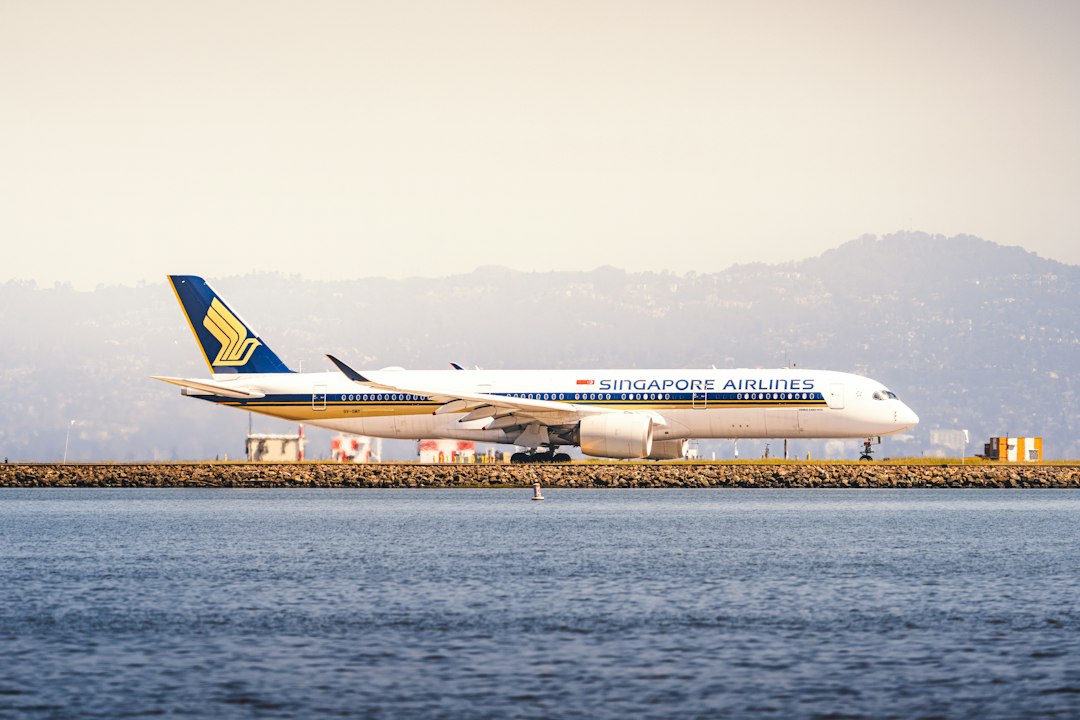
United Kingdom — Rolls-Royce has secured a multi-million pound deal to supply engines for nine new Airbus A350-1000 aircraft for Philippine Airlines. This agreement, worth hundreds of millions, includes a maintenance package. Rolls-Royce will support the engines throughout their operational life. The deal was announced on September 24, 2026. It highlights the growing demand for aerospace engineering and maintenance roles in aviation.
This deal has significance beyond financial implications. It showcases the strong partnership between Rolls-Royce and Philippine Airlines. This relationship has been reinforced over the years. Rob Watson, president of civil aerospace at Rolls-Royce, emphasized the importance of this collaboration. He stated that it strengthens their long-standing relationship with one of the fastest-growing airlines globally.
Growing Demand for Aerospace Engineers
As Philippine Airlines expands its fleet with new Airbus A350-1000 aircraft, the demand for skilled aerospace engineers will rise. Career Ahead’s analysis shows that each new aircraft needs a team of engineers for design, development, and testing. This creates unique opportunities for recent graduates and experienced professionals to enter a booming sector.
Moreover, the deal aligns with the global trend of increasing aircraft orders. This trend is driven by the recovery of air travel post-pandemic. According to the International Air Transport Association (IATA), global passenger traffic is expected to reach pre-pandemic levels by 2024. This surge in demand for air travel means more aircraft are needed, leading to a greater need for aerospace engineers to design and maintain them.
In addition to design and development roles, there will be a growing need for specialists in sustainable aviation technologies.
In addition to design and development roles, there will be a growing need for specialists in sustainable aviation technologies. The Trent XWB-97 engines are designed to operate with a 50% sustainable aviation fuel blend. This focus on sustainability is changing the skills needed in aerospace engineering. It creates a niche for engineers who can innovate and implement green technologies. The BBC highlights that the deal represents a financial boon and a commitment to advancing sustainable aviation practices, which are vital in the industry.
You may also like
 Industry & Global Trends
Oracle, Blue Owl Project Delay Disrupts AI Financing
Oracle's delay in the Blue Owl project raises concerns about AI financing stability, affecting investor confidence and project timelines across the sector.
Read More →Furthermore, the maintenance aspect of the deal ensures ongoing employment opportunities for aerospace engineers. Rolls-Royce’s commitment to support and monitor the engines means engineers will be needed throughout the engines’ operational life. This long-term relationship fosters a stable job market for engineers. They will be engaged in various phases of the engine lifecycle, from installation to performance optimization.
Impact on Aviation Maintenance Roles
Alongside the growing demand for aerospace engineers, the Rolls-Royce deal will create many jobs for aviation maintenance technicians. These professionals will be essential for ensuring that the new engines operate efficiently and safely. Career Ahead research shows that as airlines expand their fleets, the need for skilled technicians for regular maintenance and inspections will increase.
The maintenance package in the Rolls-Royce deal signifies a long-term commitment to quality and safety. This is crucial in the aviation industry. The Trent XWB-97 engines require specialized knowledge for maintenance. Technicians will need training to become proficient in the latest technologies and practices. This training will enhance their skills and ensure they can handle the complexities of modern aviation technology.
This training will enhance their skills and ensure they can handle the complexities of modern aviation technology.
Moreover, the rise of digital technologies in aviation maintenance, such as predictive maintenance and data analytics, will require technicians to adapt. Those who can leverage technology to improve maintenance processes will be in high demand. This is an exciting time for aviation maintenance professionals. The BBC notes that as the aviation sector evolves, advanced technologies will redefine the roles of maintenance technicians, making them more tech-savvy and adaptable.
You may also like
 Industry & Global Trends
US-Greenland Security Deal Unlocks Investment Opportunities
The US-Greenland security deal, formalized in September 2026, opens significant investment opportunities in defense and infrastructure, reflecting the growing importance of the Arctic in global…
Read More →The job growth in aviation maintenance roles results from new aircraft orders and the increasing complexity of modern engines. As airlines strive for efficiency and sustainability, technicians must stay current with advancements in engine technology. This will enhance their career prospects. The demand for technicians who can work with sustainable aviation fuels and advanced engine systems will likely lead to a surge in specialized training programs and certifications.
Overall, the Rolls-Royce deal represents a pivotal moment for aerospace engineers and aviation maintenance technicians. The long-term nature of the agreement ensures job opportunities will arise from the initial deployment of the new aircraft. These opportunities will continue to evolve as the aviation sector grows. This growth extends to educational institutions and training programs that must adapt to prepare the next generation of aerospace professionals.
Wider Implications for the Aerospace Supply Chain
Career Ahead’s analysis indicates that growth in aircraft orders will likely lead to more job opportunities across the aerospace supply chain.
The Rolls-Royce deal with Philippine Airlines has broader implications for the aerospace supply chain. As the demand for new aircraft increases, so does the need for a robust supply chain. This supply chain supports the production and maintenance of these aircraft. It includes everything from raw materials to component manufacturers and logistics providers.
Career Ahead’s analysis indicates that growth in aircraft orders will likely lead to more job opportunities across the aerospace supply chain. Companies manufacturing components for the Trent XWB-97 engines will need to ramp up production. This could lead to significant job creation in manufacturing roles. This ripple effect will benefit various sectors, including materials science, engineering, and logistics. The BBC reports that the government welcomes this deal, emphasizing its potential to create high-quality jobs in the UK, especially in engineering and manufacturing.

You may also like
 Industry & Global Trends
Make in India: Manufacturing’s Employment Revolution
As the 'Make in India' initiative marks its 12th anniversary, its limited success in boosting manufacturing growth and job creation raises critical questions. This analysis…
Read More →Additionally, the focus on sustainable aviation fuels and technologies will drive innovation within the supply chain. Suppliers providing eco-friendly materials and components will be at the forefront of this evolving market. This shift could lead to new partnerships and collaborations between aerospace manufacturers and sustainable technology firms. It fosters a culture of innovation and sustainability in the industry.
In summary, the Rolls-Royce engine deal with Philippine Airlines is a significant financial agreement. It represents a turning point for the aerospace industry. As demand for new aircraft rises, the entire ecosystem surrounding aerospace engineering and maintenance will grow. This growth will create numerous job opportunities for skilled professionals. The future looks promising for those in the aerospace sector. As airlines worldwide continue to expand their fleets and invest in sustainable technologies, the need for skilled professionals will only increase. This deal may be the beginning of a larger trend toward revitalizing the aerospace industry.