No products in the cart.

45% of Indian Exports to the U.S. Exempt
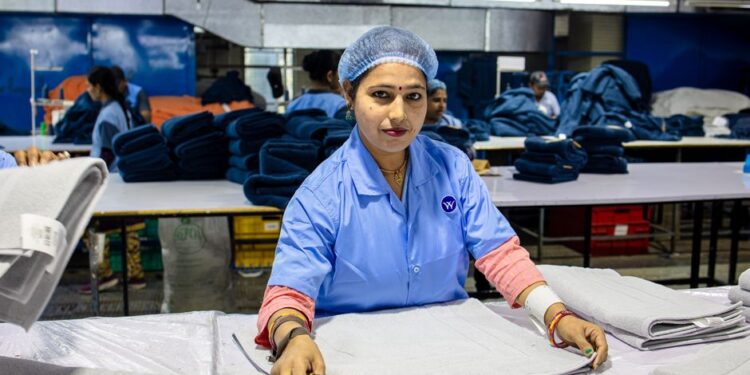
India's Commerce Ministry announces that 45% of exports to the U.S. will be exempt from a new 10% tariff, significantly impacting pricing strategies and export volumes for Indian exporters.

India’s Commerce Ministry announced that 45% of Indian exports to the U.S. will avoid a new 10% tariff. This decision, revealed on July 25, 2026, is part of the U.S. Trade Representative’s (USTR) investigation into forced labor practices in various countries. The remaining 55% of exports will face the new tariff, but this rate is lower than those applied to many other nations.
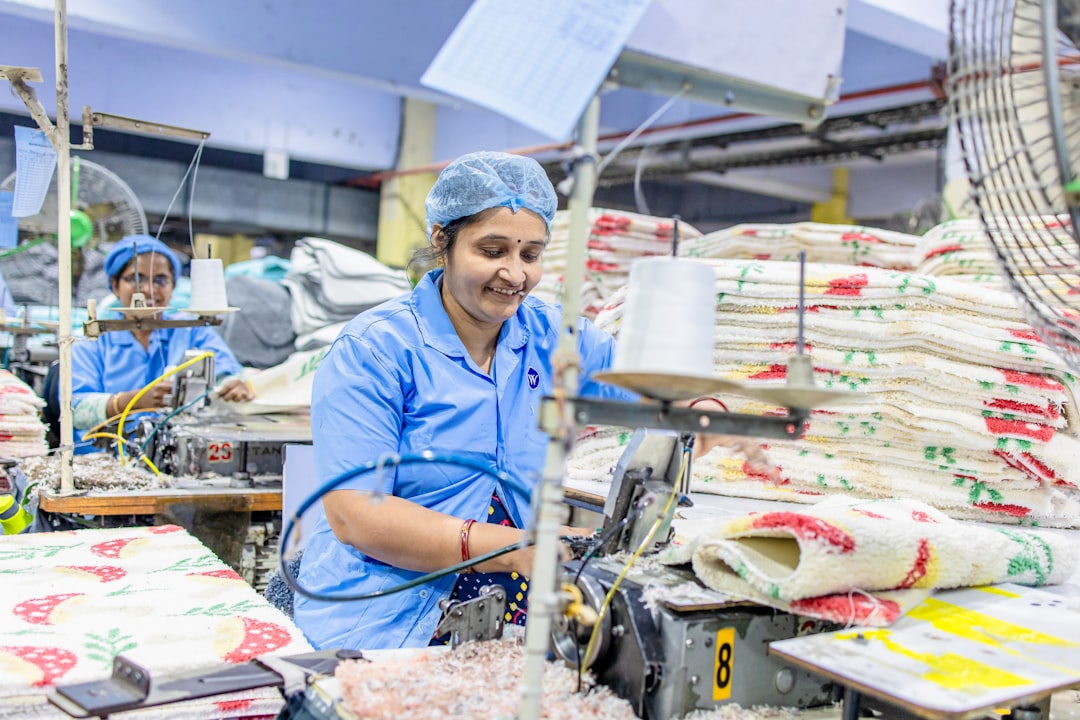
This announcement is vital for Indian exporters, especially in pharmaceuticals, textiles, and electronics. These sectors make up a large part of the exempted goods. The Commerce Ministry noted that India’s proactive engagement with U.S. trade officials helped secure these exemptions. This highlights the importance of diplomatic efforts in trade negotiations.
Impact on Pricing Strategies for Indian Goods
The tariff exemption allows Indian exporters to keep competitive pricing in the U.S. market. The U.S. imposes tariffs on goods from 17 economies, including India. The 10% exemption on nearly half of its exports gives India a significant advantage. Career Ahead’s analysis shows that this could increase market share for Indian products, especially in price-sensitive sectors.
For export managers, this is an opportunity to rethink pricing strategies. With the chance to offer lower prices on many goods, Indian exporters can compete better against products from countries with higher tariffs. This could lead to more sales and better profit margins, especially for exempt products like generic pharmaceuticals and certain electronics.
Additionally, this tariff exemption could boost demand for Indian textiles, a key focus in ongoing trade discussions. The Commerce Ministry continues to engage with U.S. officials to refine trade agreements, especially for textiles. This engagement may yield more benefits, allowing Indian exporters to take advantage of favorable pricing while navigating international trade complexities.
Given these developments, export managers should adjust their marketing strategies. They can emphasize the cost advantages of their products. By leveraging the tariff exemption, they can make their offerings more appealing in the U.S. market, potentially leading to more orders and long-term partnerships with U.S. buyers.
Given these developments, export managers should adjust their marketing strategies.
Potential Increase in Export Volumes to the U.S.
The tariff exemption is likely to increase export volumes from India to the U.S. With 45% of exports unaffected by the new tariff, sectors like pharmaceuticals, textiles, and electronics are set for growth. Career Ahead research shows these sectors are critical for India’s export strategy, making up a large portion of trade with the U.S.
You may also like
45% of Indian Exports to the U.S. Exempt | Career Outlook
India's Commerce Ministry announces that 45% of exports to the U.S. will be exempt from new tariffs, impacting pricing strategies and competitiveness for exporters in…
Read More →According to moci.gov.in, the Indian government is actively working to keep its exports competitive globally. The lower tariff rates compared to other countries mean Indian goods can be sold at better prices. This could boost demand from U.S. consumers and businesses, especially in the competitive textile sector.
Moreover, the U.S. has shown a willingness to engage with India on trade matters, which could enhance export opportunities. The creation of a textile mechanism aimed at reducing reliance on forced labor inputs could open new paths for Indian textile exporters. While India was not part of the initial mechanism, ongoing negotiations suggest future inclusion, which could further increase export volumes.
As export managers seek to capitalize on these developments, they should build relationships with U.S. distributors and retailers. By understanding the U.S. market and consumer preferences, Indian exporters can tailor their offerings to meet demand better, thus increasing their market presence.
Overall, the combination of tariff exemptions and proactive government engagement positions Indian exporters well for future growth in the U.S. market. The potential for increased export volumes is significant. Companies that adapt quickly to these changes are likely to benefit the most.
Career Ahead’s analysis stresses the importance of staying informed about tariff regulations and market dynamics. As the U.S. adjusts its trade policies, Indian exporters must remain agile and responsive to seize new opportunities.
Overall, the combination of tariff exemptions and proactive government engagement positions Indian exporters well for future growth in the U.S.
Why This Matters for Export Managers and Supply Chain Analysts
This development is especially relevant for export managers and supply chain analysts in India. The exemption of 45% of exports from tariffs allows for better pricing strategies and improved competitiveness. Export managers can use this situation to refine their market strategies, focusing on high-demand products that remain exempt.
You may also like
 International Trade
The unfinished business of the India-U.K. trade deal | Explained | Workforce Shift
The CETA aims to strengthen economic ties between India and the U.K. as both nations seek to bolster their economies post-pandemic, but unresolved issues could…
Read More →For supply chain analysts, understanding the implications of these tariff changes is crucial. The ability to transport goods without added tariffs can lead to cost savings. These savings can be reinvested into expanding operations or improving product offerings.
As the U.S. market evolves, Indian exporters must monitor consumer trends and preferences closely. By aligning their products with market demands, they can maximize the benefits of the tariff exemptions. This proactive approach will be key to sustaining growth in a competitive landscape.
In conclusion, the recent announcement about tariff exemptions presents a unique opportunity for Indian exporters. By focusing on competitive pricing and market alignment, they can position themselves for success in the U.S. market.
Frequently Asked Questions
What products are included in the 45% of Indian exports exempt from tariffs?
Career Ahead’s analysis shows that products like generic pharmaceuticals, smartphones, and certain textiles are exempt from the new tariffs. This exemption helps these sectors maintain competitive pricing in the U.S. market.
Career Ahead’s analysis shows that products like generic pharmaceuticals, smartphones, and certain textiles are exempt from the new tariffs.
How can supply chain analysts adjust their strategies based on tariff changes?
Supply chain analysts should optimize logistics and distribution strategies to take advantage of the tariff exemptions. Understanding the cost savings from these exemptions can inform decisions on inventory management and supplier relationships.
What should export managers do to leverage the tariff exemptions for competitive advantage?
Export managers should refine their pricing strategies to highlight the cost benefits of their exempt products. By aligning their offerings with market demands and enhancing relationships with U.S. buyers, they can maximize the advantages of the tariff exemptions.
You may also like
China’s Rare Earth Export Controls Impact Europe
China's recent export controls on rare earth materials are set to disrupt critical supply chains for electric motor manufacturing and defense technology in Europe, posing…
Read More →Sources: Moci, Mygov, Dgft.