No products in the cart.

Sikar Emerges as NEET-JEE Education Hub

Sikar, a small town in Rajasthan, is rapidly becoming a significant hub for NEET and JEE coaching, attracting hundreds of thousands of students annually due to its affordability and supportive learning environment.

Sikar, India — A small town in Rajasthan has rapidly transformed into a major hub for NEET and JEE coaching, gaining recognition as ‘Mini-Kota.’ This shift has attracted between 1 to 3 lakh students annually, drawn by lower costs, smaller class sizes, and high success rates. This development is reshaping the educational landscape in India, particularly for students aiming for careers in medicine and engineering.
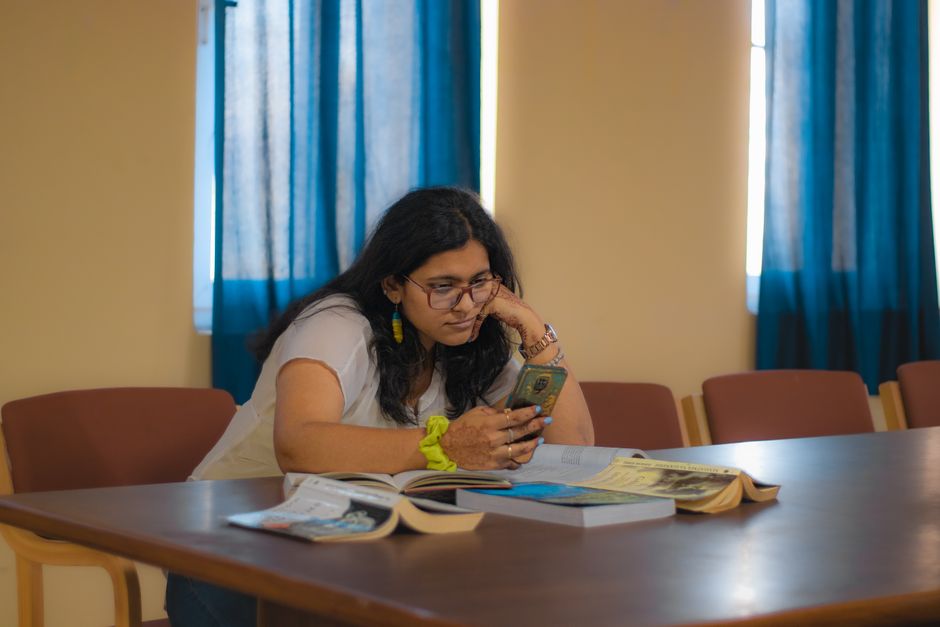
Sikar’s growth stems from its ability to provide a structured and less stressful environment for students. The town’s coaching institutes have created an integrated ecosystem where students can access education, accommodation, and support services all in one place. This model not only focuses on academic success but also on the overall well-being of the students.
As Sikar becomes a serious competitor to Kota, the traditional coaching capital, it raises questions about the future of these educational hubs. The shift in student preference from Kota to Sikar highlights the changing dynamics in the coaching industry, where affordability and a supportive environment are becoming more critical.
Affordability Fuels Student Enrollment
One of the most compelling reasons for Sikar’s rise is its lower cost of living and tuition fees. Reports indicate that expenses in Sikar can be 20% to 30% cheaper than in established coaching centers like Kota or Delhi. This affordability is crucial for many middle-class families who are looking for quality education without the financial strain.
In addition to lower tuition, the cost of accommodation and daily living is significantly reduced. Many families find that they can provide their children with a high-quality education in Sikar without the burden of crippling debt. This financial relief is a major factor in the increasing number of students choosing Sikar as their preferred destination for NEET and JEE preparation.
The educational sector now accounts for about 30% to 35% of Sikar’s GDP, creating jobs and boosting local businesses.
You may also like
 Education & University Insights
From Chambal Roots to IIT and Global Career Triumph
Dev Prabhakar Singh Tomar's journey from a Chambal village to securing AIR 629 in UPSC is a testament to resilience and determination.
Read More →Furthermore, the local economy benefits from this influx of students. The educational sector now accounts for about 30% to 35% of Sikar’s GDP, creating jobs and boosting local businesses. This economic impact reinforces the town’s position as a viable alternative to more expensive coaching cities.
Personalized Learning Experience
Sikar’s coaching institutes prioritize smaller class sizes, typically hosting 35 to 50 students per batch. This contrasts sharply with the larger, often overcrowded classrooms found in Kota, where classes can exceed 100 students. The smaller groups allow for more personalized attention from instructors, fostering a better learning experience.
The focus on a student-centric environment helps alleviate the intense pressure often associated with competitive exams. Many institutes in Sikar emphasize a balanced approach to education, combining rigorous academic training with mental health support. This holistic perspective is increasingly appealing to both students and their families, who seek a more nurturing atmosphere.
Moreover, the integrated model of education in Sikar, where coaching centers often manage hostels, creates a disciplined environment. Students can focus on their studies without the distractions of urban life, which is particularly beneficial for those from rural backgrounds. This model has proven effective in improving student performance and overall satisfaction.

This model has proven effective in improving student performance and overall satisfaction.
Success Rates Boost Reputation
Success rates in Sikar’s coaching institutes are impressive, with many students achieving top ranks in NEET and JEE. Local institutions like Matrix Academy and Gurukripa Career Institute have gained national recognition for their results, further enhancing Sikar’s reputation as a coaching powerhouse. This success is not just anecdotal; data shows a significant number of students from Sikar securing admissions into prestigious medical and engineering colleges.
The quality of faculty also plays a crucial role in this success. Many educators in Sikar are alumni of top institutions like IITs and AIIMS, bringing their expertise and experience to the classroom. Their involvement in daily teaching ensures that students receive high-quality instruction, which is critical for navigating the complexities of these competitive exams.
You may also like
 Education & University Insights
34% Teaching Vacancies Hinder Higher Education Growth
A recent SBI report reveals a 34% vacancy rate in teaching positions across centrally funded institutions in India, raising concerns about educational quality and faculty…
Read More →Comparative Landscape: Sikar vs. Kota
The competition between Sikar and Kota is becoming increasingly pronounced. While Kota has long been the go-to city for NEET and JEE preparation, Sikar’s rise presents a challenge to its dominance. Sikar’s unique selling points include affordability, a more personalized learning experience, and a supportive community environment.
In contrast, Kota is known for its extensive infrastructure and a wider variety of coaching options. However, the pressure and competition in Kota can be overwhelming for many students, leading to high levels of anxiety and stress. As Sikar markets itself as a calmer alternative, it may attract those who prioritize mental health alongside academic success.

Future Implications for Educational Hubs
The emergence of Sikar as a major educational hub has broader implications for the future of coaching in India. As more students flock to smaller towns for education, it could lead to a decentralization of the coaching industry, which has traditionally been concentrated in a few major cities. This shift may encourage investment in educational infrastructure across the country.
The balance between growth and maintaining standards will be a key challenge for this emerging educational powerhouse.
Furthermore, the success of Sikar could inspire other towns to develop similar models, focusing on affordability and student well-being. This trend may create a more equitable educational landscape, where students from diverse backgrounds have access to quality coaching without the financial burden.
As Sikar continues to grow, it will be crucial for stakeholders to ensure that quality remains high and that the needs of students are prioritized. The balance between growth and maintaining standards will be a key challenge for this emerging educational powerhouse.
You may also like
 Education & University Insights
Funding Cuts Threaten American University of Afghanistan
The American University of Afghanistan faces imminent closure due to severe funding cuts, reflecting broader trends in higher education funding crises, especially in conflict zones.…
Read More →