No products in the cart.

Soaring Household Bills Spark Working-Class Climate Agenda

Rising household bills in the US are fueling calls for a working-class climate agenda. Advocates assert that the climate crisis exacerbates the cost-of-living crisis, prompting initiatives like the Climate and Community Institute's "Stop Greed, Build Green" to address these issues.

Rising household bills in the US are fueling calls for a working-class climate agenda. Advocates assert that the climate crisis exacerbates the cost-of-living crisis, prompting initiatives like the Climate and Community Institute’s “Stop Greed, Build Green” to address these issues. This agenda aims to demonstrate that climate action can lower costs for everyday Americans.
At a recent event, leaders from the Climate and Community Institute (CCI) emphasized that climate policy should not be viewed as a burden but as a solution. They argue that investing in green technologies and infrastructure can help reduce household expenses. This approach is gaining traction among voters, with a survey indicating that 70% believe climate action can help lower living costs.
Climate Crisis and Economic Reality
The rising costs of living have become a pressing issue for many Americans. Inflation, driven by various factors including the ongoing war in Ukraine, has led to skyrocketing energy prices. Households are feeling the squeeze, which makes climate policy seem less urgent to some voters. However, CCI argues that these issues are deeply interconnected.
According to CCI, the current economic landscape is a direct result of decades of underinvestment in sustainable infrastructure. As fossil fuel prices rise, so do the costs associated with heating, transportation, and food. This reality highlights the need for a comprehensive approach that links economic stability with climate action. Naomi Klein, a prominent advocate for climate justice, stated that the perception that climate policies are costly must change. She argues that investing in green technologies can create jobs and lower household expenses simultaneously, reshaping the political landscape and making climate action more appealing to a broader audience.
This is a critical moment for policymakers to craft messages that resonate with working-class voters.
Polling Data and Public Perception
You may also like
 Government & Policy
Former Labor Secretary Rob Reich on Sept. Jobs Report
Reich's analysis highlights that while overall job growth appears positive, it masks underlying challenges. Many of the new jobs created are concentrated in lower-wage sectors,…
Read More →Recent polling data reveals a shift in public opinion regarding climate action. A survey conducted by CCI and Data for Progress found that a significant majority of voters, including many Republicans, support climate initiatives that promise economic relief. This indicates a potential opening for politicians to align climate policies with the economic concerns of their constituents.
The survey results suggest that many Americans are ready to embrace a new narrative that frames climate action as a means to achieve financial stability. This is a critical moment for policymakers to craft messages that resonate with working-class voters. If they can effectively communicate the benefits of climate policies, they may garner broader support.
This growing acceptance of climate initiatives could impact future elections. As politicians recognize the potential for climate action to alleviate economic burdens, we may see more candidates advocating for green policies, reshaping party platforms and influencing legislative priorities in the coming years.
Lessons from Past Climate Policies
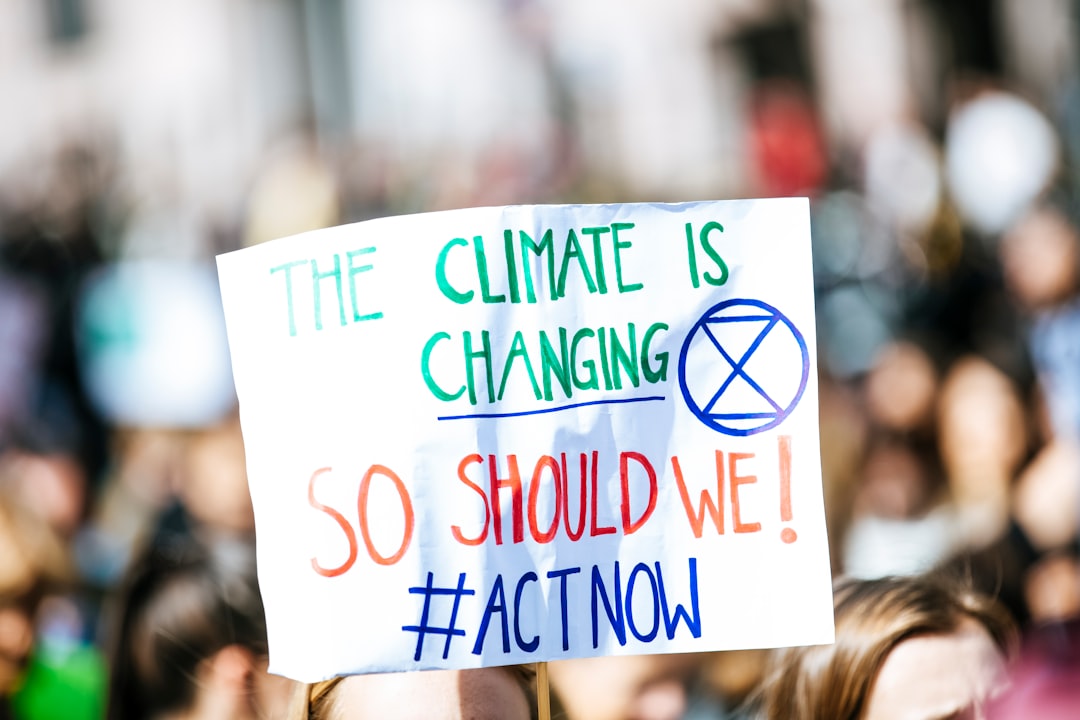
The new working-class climate agenda draws lessons from previous initiatives like the Green New Deal. While the Green New Deal aimed for ambitious systemic change, it faced significant pushback and was often perceived as unrealistic. Advocates now aim to make climate policies more tangible and relatable to everyday Americans.
One key takeaway from past efforts is the importance of focusing on immediate, observable benefits. The CCI’s agenda emphasizes policies that can quickly lower costs, such as investments in energy-efficient public transportation and affordable housing. By demonstrating the direct advantages of climate action, advocates hope to build a coalition of support.
According to the Working Class Climate Alliance, addressing climate change through a lens of economic equity is essential for gaining widespread support.
Furthermore, the agenda seeks to address the concerns of working-class individuals who have historically been excluded from climate discussions. By prioritizing the needs of these communities, CCI aims to create a more inclusive approach to climate policy that resonates with a broader audience. According to the Working Class Climate Alliance, addressing climate change through a lens of economic equity is essential for gaining widespread support.
You may also like
 Government & Policy
Utilities Should Prioritize Public Service Over Profit
The ongoing debate surrounding utilities suggests a critical shift towards prioritizing public service over profit. This has profound implications for regulatory practices and public policy…
Read More →Challenges and Counterpoints
Despite the momentum behind the working-class climate agenda, challenges remain. Some critics argue that large-scale public spending may not be feasible in a high-debt environment. Concerns about job quality versus cost suppression also pose significant questions for labor advocates.
Additionally, there are fears that focusing too heavily on price controls could stifle innovation in green technologies. Critics like Jigar Shah, a former clean energy loans czar, caution that relying on regulation over technological solutions might hinder progress. These discussions highlight the need for a balanced approach that fosters both immediate relief and long-term sustainability.
As these debates unfold, it is crucial for advocates to engage with diverse perspectives. By addressing concerns and incorporating feedback, the working-class climate agenda can evolve into a more robust and widely supported initiative.

As highlighted by the Working Class Climate Alliance, the need for a cohesive strategy that addresses both climate and economic issues is more urgent than ever.
Future Implications for Policy and Society
The intersection of climate policy and economic relief signifies a potential turning point for American politics. As more voters express support for climate initiatives that promise economic benefits, we may witness a shift in how politicians approach climate discussions. This could lead to a reimagining of policies that prioritize both environmental sustainability and economic stability.
Moreover, the implications extend beyond politics. If the working-class climate agenda gains traction, it could inspire similar movements globally. Other nations grappling with rising costs and climate challenges may look to the US as a model for integrating climate action with economic solutions. As highlighted by the Working Class Climate Alliance, the need for a cohesive strategy that addresses both climate and economic issues is more urgent than ever.
You may also like
 Government & Policy
GOBARdhan Initiative Targets 10-Fold Increase
The GOBARdhan initiative aims to significantly boost India's compressed biogas production, creating jobs and enhancing energy security while promoting sustainability through innovative waste management.
Read More →
As the dialogue around climate policy continues to evolve, the potential for transformative change is significant. The challenge will be to maintain momentum and ensure that the voices of working-class individuals are heard in shaping the future of climate action.
Rising household bills have sparked a critical conversation about the relationship between climate action and economic stability. As advocates push for a working-class climate agenda, the question remains: can this approach reshape the political landscape and lead to meaningful change for everyday Americans?