No products in the cart.

South African Xenophobic Protests Displace Immigrant Students and Families
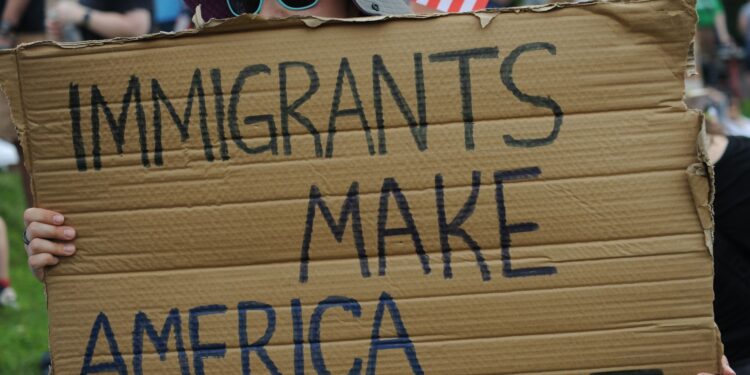
South African security agencies and NGOs reported ongoing displacement through early July 2026.

Violent anti-migrant protests in late June 2026 forced dozens of immigrant students and their families to flee homes in Kleinmond and Durban. South African security agencies and NGOs reported ongoing displacement through early July 2026.
The anti-migrant protests that began on 30 June 2026 spread to multiple towns across South Africa, resulting in the forced evacuation of immigrant households, including school-aged children from Mozambique and other African nations [2][3]. Incidents were documented on 3 June 2026 in Kleinmond and on 1 July 2026 outside Durban’s Diakonia Centre, with reports of door-to-door intimidation, property damage, and the establishment of temporary shelters for displaced families [4][3].
The primary actors include immigrant students and their families, South African law-enforcement bodies such as the National Joint Operational and Intelligence Structure (NatJoints), and civil-society groups providing emergency accommodation [3][1]. Protestors employed threats and physical aggression to compel migrants to leave their residences, while officials described the overall demonstrations as “orderly” despite evidence of widespread violence [2][3]. Economic hardship and high unemployment have been cited as underlying drivers of the xenophobic sentiment that fueled the unrest [1].
Timeline of the Protests and Displacement
The first documented violent incident occurred on 3 June 2026 in Kleinmond, where a crowd confronted Mozambican resident Lado Amido, demanding that he and other foreigners vacate the town [4]. Over the following weeks, similar confrontations were reported in other coastal and inland communities. On 30 June 2026, coordinated anti-immigrant rallies were held in several provinces, officially portrayed by authorities as peaceful but later shown to involve arson, looting, and targeted assaults on migrant homes [2].
A media briefing on 1 July 2026 by NatJoints confirmed that dozens of migrants had taken refuge outside the Diakonia Centre in Durban after their homes were ransacked, and that the security forces were deploying additional patrols to contain further violence [3]. By 7 July 2026, NGOs reported that at least 150 immigrant families, including school-age children, remained in temporary shelters, with many schools unable to verify the whereabouts of their enrolled migrant pupils [1].
Timeline of the Protests and Displacement The first documented violent incident occurred on 3 June 2026 in Kleinmond, where a crowd confronted Mozambican resident Lado Amido, demanding that he and other foreigners vacate the town [4].
Locations and Affected Communities
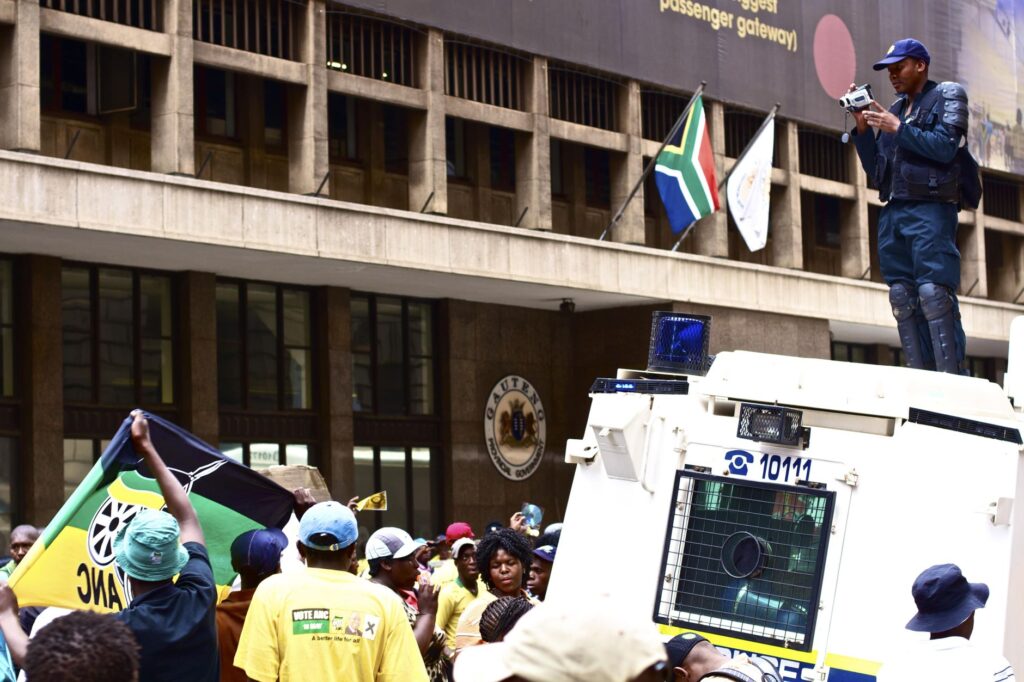
Kleinmond, a small town on the Western Cape coast, saw the earliest wave of displacement, with families fleeing to community halls and makeshift camps after crowds threatened violence at their doors [4]. In Durban, the Diakonia Centre became a focal point for displaced migrants, who set up a temporary encampment outside the facility while awaiting assistance from humanitarian groups [3].
You may also like
 News
NewsJobs Slow but Inflation Keeps Fed on Alert
In September, the economy added just 150,000 jobs, a stark contrast to the 200,000 jobs analysts had predicted. This slowdown comes amid ongoing inflationary pressures,…
Read More →The affected population includes students from Mozambique, the Democratic Republic of Congo, and other neighboring states, many of whom were enrolled in public secondary schools and private language institutes [1]. Reports indicate that in Kleinmond alone, ten school-age children were forced to miss classes while sheltering in a community center [4]. In Durban, educators reported that at least twenty-four migrant pupils were absent from their classes due to the displacement, prompting school administrators to issue notices to parents about the uncertain status of enrolments [3].
Response by Authorities and Support Organizations
NatJoints, the joint operational and intelligence body overseeing national security, issued a statement on 1 July 2026 describing the protests as “orderly” but acknowledging isolated incidents of violence [3]. The South African Police Service (SAPS) deployed additional units to the affected towns, conducting patrols and setting up temporary checkpoints to deter further attacks [2].
Civil-society organizations, including local churches, the Diakonia Centre, and international NGOs, activated emergency response plans. They provided food, clothing, and temporary accommodation to displaced families, and coordinated with school officials to locate and re-enroll affected students [1][3]. The Department of Basic Education released a directive urging schools to maintain records of migrant enrolments and to facilitate remote learning options for students unable to attend classes due to displacement [1].
Impact on Students and Educational Institutions
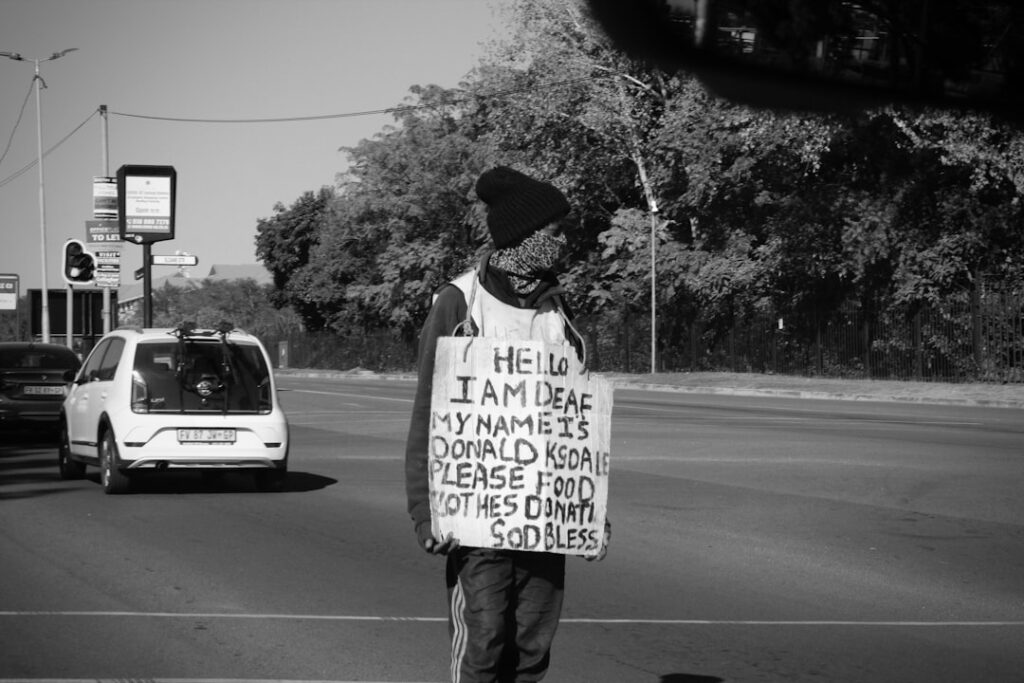
The immediate impact on education is the interruption of schooling for immigrant students who lack stable housing. Schools in Kleinmond reported a drop in attendance among migrant pupils during the week of 3 June 2026, while Durban schools noted a similar decline in the first week of July 2026 [3][4]. The loss of classroom time may affect academic performance and progression for these students, many of whom already face language barriers and limited access to resources [1].
The Department of Basic Education released a directive urging schools to maintain records of migrant enrolments and to facilitate remote learning options for students unable to attend classes due to displacement [1].
Educators are also confronting heightened security concerns, leading some schools to implement stricter entry protocols and to schedule classes outside of peak protest periods [2]. The displacement has strained school budgets, as additional funds are required for counseling services, transportation to temporary shelters, and the procurement of learning materials for students attending classes in improvised locations [1].
You may also like
 News
NewsUAE may halt UK investments after Manchester City guilty verdict
The UAE's potential withdrawal of investments in the UK, following Manchester City's guilty verdict for financial breaches, could significantly impact the sports and real estate…
Read More →The broader community impact includes increased tension between local residents and migrant populations, potentially influencing future enrollment patterns and community cohesion. Authorities and NGOs continue to monitor the situation, emphasizing the need for sustained protection measures and educational continuity for displaced immigrant students [3].
Key Facts
What: Anti-migrant protests in late June 2026 forced immigrant students and families to flee homes in Kleinmond and Durban.
When: Protests began 30 June 2026; documented incidents on 3 June 2026 and 1 July 2026; displacement ongoing through early July 2026.
What: Anti-migrant protests in late June 2026 forced immigrant students and families to flee homes in Kleinmond and Durban.
Impact: Displaced students missed school, schools reported attendance drops, and authorities mobilized security and humanitarian aid.
You may also like
 News
NewsBT accused of ‘bullying’ customers
BT's decision to pause broadband services for some customers has sparked accusations of bullying, raising concerns about the impact on vulnerable populations during the transition…
Read More →Sources
- South Africa Anti Migrant Protests Xenophobia Economic Crisis Unrest … – https://humanonline.org/news/south-africa-anti-migrant-protests-xenophobia-economic-crisis-unrest-analysis
- Behind the Facade: Violence and Displacement in South Africa’s Anti … – https://www.ubuntutimes.co.za/behind-the-facade-violence-and-displacement-in-south-africas-anti-migrant-protests/
- The hidden violence behind the ‘peaceful’ anti-migrant protests – https://www.sabcnews.com/sabcnews/xenophobia-in-sa-the-hidden-violence-behind-the-peaceful-anti-migrant-protests/
- African migrants flee into the mountains as South Africa’s xenophobic … – https://www.ghanaweb.com/GhanaHomePage/africa/African-migrants-flee-into-the-mountains-as-South-Africa-s-xenophobic-violence-surges-2037829