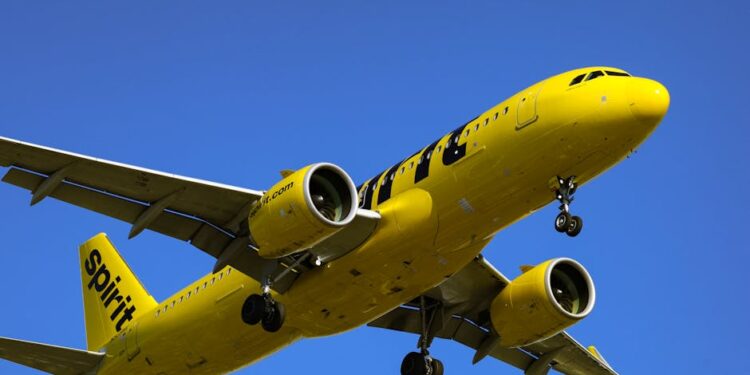
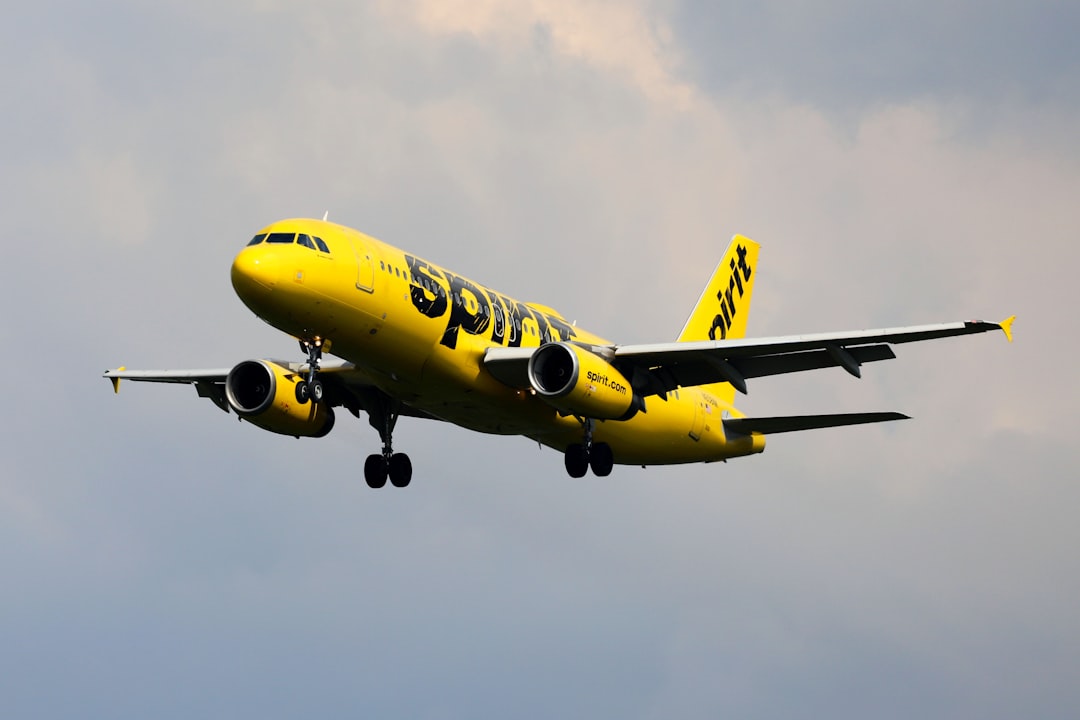
Spirit Airlines, a leader in the low-cost airline sector, has officially ceased operations as of May 2, 2026. This decision follows the company’s second bankruptcy in just two years, unable to recover from financial strains exacerbated by the COVID-19 pandemic. According to the New York Times, the airline was known for its ultra-low fares but struggled to maintain profitability amid rising operational costs.
The shutdown means that all flights have been canceled, leaving many travelers stranded. CNN reports that the airline’s abrupt closure affects thousands of employees and customers who relied on its budget-friendly services. This marks the end of an era for a company that once revolutionized air travel with its low-cost model.
Spirit Airlines’ decline highlights the challenges facing low-cost carriers in a highly competitive market. The airline had previously aimed to secure a government bailout but failed to do so, as noted by CNBC. This inability to secure funding ultimately led to its downfall.
Consequences for Employees and Passengers
The closure of Spirit Airlines has left approximately 8,000 employees facing unemployment, creating a ripple effect in the aviation job market. AP News highlights that these workers will now have to seek opportunities in an industry already grappling with its own challenges.
Travelers who had booked flights with Spirit are left scrambling for alternatives, expressing frustration over the lack of notice regarding the cancellations. Many customers have reported difficulties in obtaining refunds or rebooking options, leading to dissatisfaction with the airline’s customer service.
As low-cost carriers continue to dominate the market, the need for regulatory oversight becomes increasingly important to ensure that travelers are not left vulnerable during sudden operational changes.
This situation raises questions about consumer protection in the airline industry. As low-cost carriers continue to dominate the market, the need for regulatory oversight becomes increasingly important to ensure that travelers are not left vulnerable during sudden operational changes.
A Look Back at Spirit Airlines
Founded in 1980, Spirit Airlines aimed to provide affordable air travel to underserved markets. Over the years, it gained notoriety for its no-frills approach, charging for extras that other airlines included in ticket prices. This model appealed to budget-conscious travelers, allowing the airline to grow rapidly.
However, Spirit’s aggressive expansion came with risks. The airline faced criticism for its customer service and operational reliability, which often resulted in delays and cancellations. As noted by NPR, these issues began to accumulate, leading to a decline in customer loyalty.
The COVID-19 pandemic further exacerbated these challenges. With travel restrictions and reduced demand, Spirit Airlines struggled to maintain its operations. The financial strain ultimately culminated in its decision to shut down, marking a significant shift in the landscape of low-cost air travel.
The COVID-19 pandemic further exacerbated these challenges.
Industry-Wide Repercussions
The collapse of Spirit Airlines signals potential changes across the airline industry. As one of the first low-cost carriers, its exit raises concerns about the viability of similar airlines in the current economic climate. The industry is now left to grapple with the implications of losing a major player in the budget travel segment.
Other low-cost airlines may face increased scrutiny as consumers reassess their travel options. The closure of Spirit could lead to a consolidation of the market, with larger airlines absorbing its routes and customers. This shift may also result in higher prices for travelers, as competition decreases.
Moreover, the shutdown may prompt regulators to rethink policies surrounding airline operations and consumer protections. Ensuring that airlines remain viable while protecting passengers’ rights will be crucial in the wake of Spirit’s demise.
Shifting Consumer Perspectives
Consumer sentiment towards low-cost airlines may shift following Spirit’s closure. Many travelers might become more cautious about booking flights with budget carriers, fearing similar outcomes. This skepticism could lead to a resurgence in demand for traditional airlines that offer more comprehensive services.
As the industry evolves, airlines may need to adapt their business models to retain customer trust.
The Maharashtra Public Service Commission (MPSC) has postponed the State Services Main Examination 2026, originally set for October 3, due to concerns over exam integrity.
As the industry evolves, airlines may need to adapt their business models to retain customer trust. Innovations in customer service and operational reliability will be essential for rebuilding confidence among travelers. Airlines that prioritize transparency and customer care could emerge as leaders in the post-Spirit landscape.
Furthermore, the travel industry as a whole may see changes in pricing strategies. With fewer low-cost options available, airlines may need to reconsider their fare structures to attract budget-conscious customers while maintaining profitability.



 Career Guidance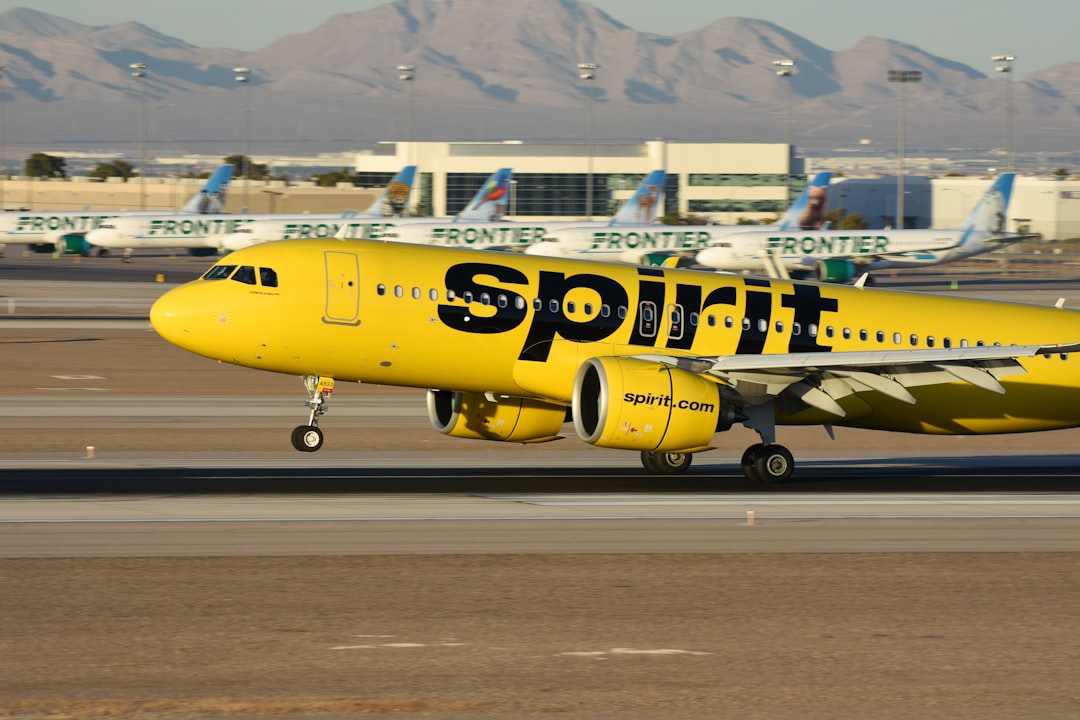
Career Guidance