No products in the cart.

SPPU Launches Courses in Drones, EVs, Digital Humanities

Savitribai Phule Pune University (SPPU) has introduced innovative courses in drones, electric vehicles, and digital humanities, aligning with national educational policies to enhance student employability and meet industry demands.

Pune, India — Savitribai Phule Pune University (SPPU) has approved new educational programs. These programs focus on drones, electric vehicles (EVs), and digital humanities. This initiative supports the National Education Policy (NEP) 2020. The goal is to improve students’ employability and match their skills with industry needs. The curriculum includes a 44-credit foundational program and advanced courses tailored for the changing job market.
The Vice-Chancellor of SPPU, Suresh Gosavi, highlighted the importance of these courses. They will train students to use digital technologies to preserve and research India’s cultural and historical heritage. This trend shows that educational institutions are integrating technology into their curricula. According to the Economic Times, the management council approved these multidisciplinary courses to prepare graduates for future job markets.
New Educational Pathways in Digital Humanities
The new digital humanities courses at SPPU include an advanced program. This program focuses on archiving and using digital technologies in humanities research. The 44-credit foundational program will help students navigate the intersection of technology and the humanities. By using digital tools, students will learn to analyze and preserve cultural artifacts. This training is valuable in fields like museum studies, archiving, and cultural heritage management.
Career Ahead’s analysis shows a growing demand for digital humanities professionals. Organizations seek individuals who can connect technology with cultural studies. Graduates will find opportunities in education, museums, and digital media. With a focus on practical skills, students will contribute to projects requiring technical expertise and cultural insight. A recent report notes that integrating digital humanities into academic programs is timely and essential, as cultural resources become more digitized.
The advanced digital humanities course will cover data visualization, digital storytelling, and ethical implications of digital archiving. These skills are crucial as institutions adopt digital methods to engage audiences. Combining technology with traditional humanities disciplines enhances education and prepares students for a workforce that values interdisciplinary knowledge. As SPPU adopts these innovative programs, it sets an example for other universities. This shift towards digital humanities shows the importance of cultural preservation in the digital age, highlighting the need for skilled professionals in both areas.
Combining technology with traditional humanities disciplines enhances education and prepares students for a workforce that values interdisciplinary knowledge.
You may also like
 Education & University Insights
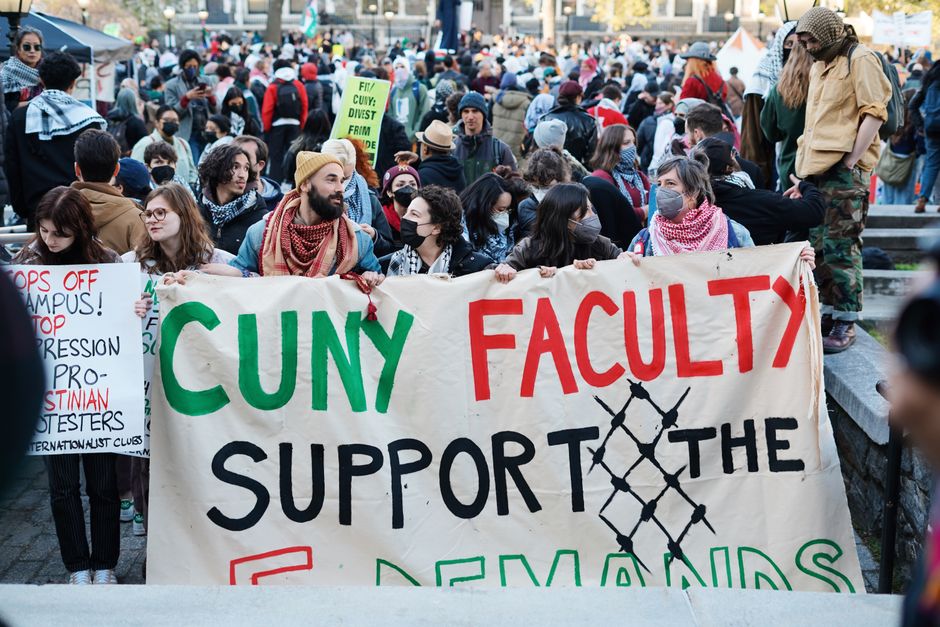
Campus Safety Demands Spark Vandalism and Protests
Cornell University students are protesting the administration's handling of sexual assault allegations, leading to vandalism and a call for policy reform. This reflects a growing…
Read More →The program also encourages collaboration between students and industry professionals. This provides real-world experience through internships and projects. Such hands-on learning is vital for students to understand practical applications of their studies. This approach ensures they are job-ready upon graduation. The emphasis on interdisciplinary learning allows students to explore various fields, enhancing their adaptability in a changing job market.
Advancements in Drone Technology and Electric Vehicles
Alongside digital humanities, SPPU is launching specialized training in drone technology and electric vehicle engineering. These programs aim to meet the growing demand for skilled professionals in these areas. The courses include practical training in drone piloting, EV repair, and advanced manufacturing techniques. This ensures students gain hands-on experience. The jspmrscopr.edu.in reports that the new drone technology program will cover skills like aerial photography, surveying, and drone maintenance. These skills are increasingly relevant as drone use grows in agriculture, logistics, and urban planning. Students will be well-prepared for a job market that values practical experience and technical proficiency.
The electric vehicle courses will focus on maintenance and repair of EVs. This sector is expected to grow significantly in the coming years. With the global shift towards sustainable transportation, professionals skilled in EV technology will be in high demand. SPPU’s program aims to give students the knowledge needed to support this transition. Topics include battery technology, electric drivetrains, and vehicle diagnostics. Career Ahead’s research shows the electric vehicle market is projected to grow rapidly, creating many job opportunities in engineering, manufacturing, and maintenance. As India moves towards greener transportation, graduates from SPPU’s programs will be well-positioned for success in the automotive industry.
By adding these cutting-edge courses, SPPU enhances its educational offerings. It also contributes to developing a skilled workforce ready for tomorrow’s challenges. The university’s commitment to keeping up with technological advancements ensures students learn current practices and prepare for future innovations. This proactive approach is crucial in a rapidly changing landscape, where adaptability and continuous learning are key to career success.

This proactive approach is crucial in a rapidly changing landscape, where adaptability and continuous learning are key to career success.
The introduction of these programs at SPPU marks a significant shift in education. It emphasizes the need to align academic offerings with industry demands. As the job market evolves, students with skills in digital humanities, drone technology, and electric vehicles will have a competitive edge. This alignment is vital as employers seek candidates with both technical skills and a broad understanding of their fields.
Moreover, the flexibility of new degree options, including interdisciplinary minors and honors pathways, allows students to customize their education. This adaptability is essential in a fast-changing job market, where professionals must regularly update their skills to stay relevant.
You may also like
 Education & University Insights
CLAT 2027 Registration Opens, Confirm Eligibility Today
The registration for CLAT 2027 is open until October 31, 2026. Candidates must meet specific eligibility criteria to apply for undergraduate and postgraduate law programs.…
Read More →As SPPU embraces innovative educational models, it sets an example for other institutions. The focus on industry-relevant skills enhances student employability and fosters a culture of continuous learning. This approach is crucial for preparing graduates to succeed in a landscape defined by technological advancements and evolving workplace demands.
Looking ahead, the success of these programs will rely on their ability to keep pace with industry changes. As technology evolves, educational institutions must remain agile, updating their curricula to reflect the latest trends. The future of education lies in its capacity to respond to job market needs, ensuring students are job-ready and equipped to lead in their fields.
Frequently Asked Questions
What career opportunities are available for digital humanities students after the new course?
Career Ahead analysis shows that digital humanities graduates can work in museum studies, cultural heritage management, and digital media. The skills from the program will help them in sectors that value technology and culture.
Career Ahead analysis shows that digital humanities graduates can work in museum studies, cultural heritage management, and digital media.
What skills will drone technology engineers gain from the new program?
The new drone technology program will teach students skills in aerial photography, surveying, and drone maintenance. These skills are essential as the demand for drone applications grows across industries.

How can electric vehicle engineers benefit from the new courses at SPPU?
Electric vehicle engineers will learn about EV maintenance, battery technology, and electric drivetrains. With the expected growth of the EV market, these skills will help graduates succeed in a rapidly expanding field.
You may also like
 Education & University Insights
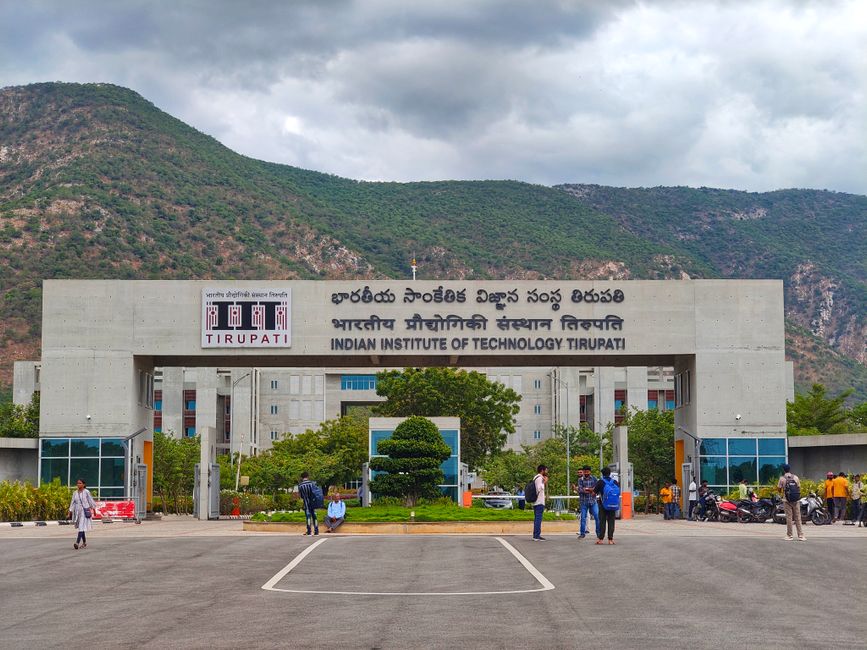
Why BITS Pilani’s New Amaravati Campus Matters for Tech Students
BITS Pilani's new Amaravati campus is poised to transform technology education in India, emphasizing AI and industry collaboration. With a capacity for 10,000 students, it…
Read More →