Over 1 million K‑12 students nationwide are receiving public funds for private education in the 2026 school year.A new federal tax credit targeting private‑school tuition has been announced while several states review costly voucher programs.
Over 1 million K‑12 students nationwide are enrolled in private schools that receive public funding through vouchers, scholarships, or tax credits for the 2026‑27 school year, according to the Education Week report on private‑school choice growth【1】. In the same period, state legislators in multiple jurisdictions have begun formal reviews of existing voucher allocations, citing budget constraints and program costs【2】. The federal government has introduced a tax credit aimed at expanding school‑choice options for families, a development reported by the Wall Street Journal【4】.
The actions involve state lawmakers, the federal Department of Treasury, private‑school operators, public‑school districts, and policy organizations such as the Center on Budget and Policy Priorities (CBPP)【2】【3】. State legislative sessions in April and May 2026 marked the start of formal reconsiderations, with public statements from lawmakers in at least five states indicating a pause on further voucher funding【2】【3】. The federal tax credit, detailed in a Treasury announcement, allows families to claim a credit of up to $2,500 per student for private‑school tuition expenses, effective for the 2026‑27 tax year【4】.
Legislative Reassessment of Voucher Programs
State legislators in several jurisdictions convened hearings and committee meetings in late April 2026 to examine the fiscal impact of private‑school voucher programs. The CBPP noted that the cost of vouchers in some states exceeds $1 billion annually, prompting lawmakers to question the sustainability of the subsidies amid tightening state budgets【2】. Public records show that at least three state senates introduced bills to cap or phase out voucher spending before the end of the 2026 fiscal year【2】.
On May 8, 2026, a coalition of state education officials announced that they would conduct comprehensive reviews of voucher program effectiveness and cost‑benefit analyses before approving additional funding【3】. The statements emphasized a shift toward directing limited resources to public‑school infrastructure and teacher recruitment, aligning with CBPP recommendations to prioritize public‑school support over private‑school subsidies【3】. No legislative votes have been recorded as of the report date, but the reviews are expected to influence budget appropriations for the 2027 fiscal cycle.
The federal tax credit, detailed in a Treasury announcement, allows families to claim a credit of up to $2,500 per student for private‑school tuition expenses, effective for the 2026‑27 tax year【4】.
The launch comes at a time when media consumption patterns are rapidly changing. Viewers increasingly prefer on-demand content and real-time updates, prompting networks like Bloomberg…
State Lawmakers Reevaluate Private‑School Vouchers as Federal Tax Credit Expands School Choice
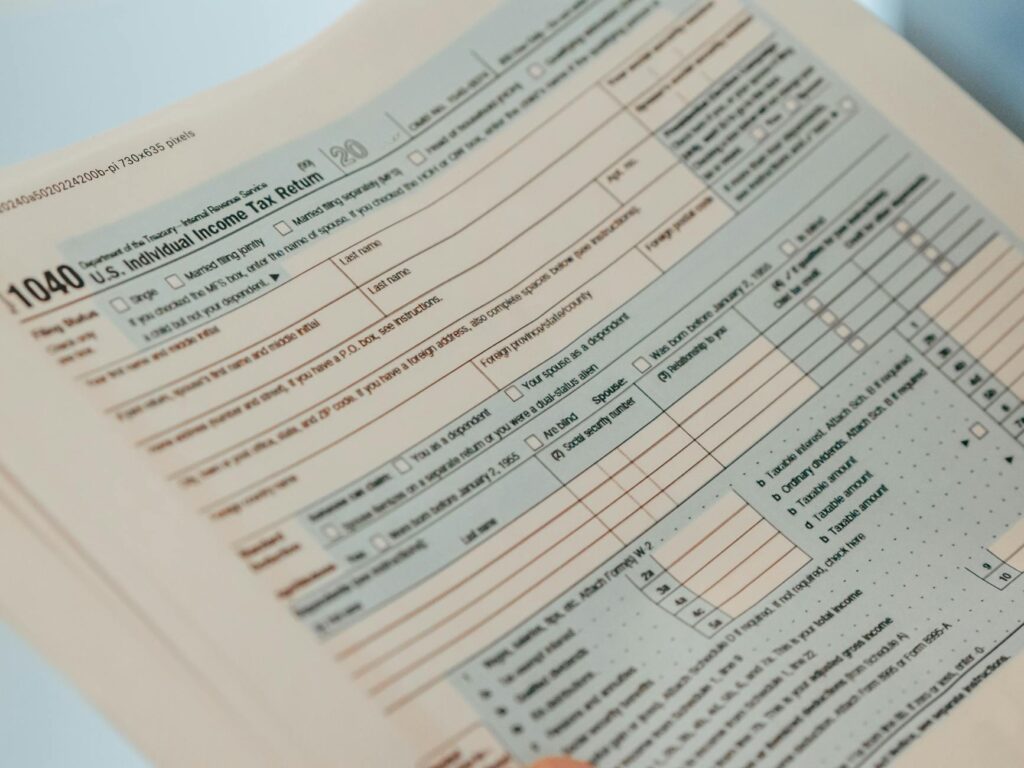
The Treasury Department released details of a new federal tax credit on May 15, 2026, designed to offset private‑school tuition costs for families meeting income eligibility thresholds【4】. The credit, capped at $2,500 per student per year, applies to K‑12 tuition expenses and is refundable, allowing families to receive the full amount even if tax liability is lower than the credit amount【4】. The policy aims to broaden access to school‑choice options without requiring direct state appropriations.
The Wall Street Journal reported that the credit has generated mixed responses from state policymakers. Democratic‑led “blue” states, many of which operate extensive voucher programs, are evaluating whether the federal credit will duplicate existing subsidies or create fiscal redundancies【4】. The Treasury’s rollout includes an online portal for families to claim the credit when filing 2026 tax returns, with guidance issued to tax professionals and school administrators to ensure compliance【4】.
Potential Implications for Students and Schools
The combined effect of state voucher reviews and the new federal tax credit creates immediate considerations for families currently using public funds for private‑school enrollment. Families in states that pause or reduce voucher allocations may need to rely on the federal credit to maintain private‑school attendance, while those in states maintaining vouchers could experience overlapping benefits【2】【4】. Private‑school operators have reported adjustments to enrollment projections for the upcoming academic year, citing uncertainty over state funding continuity【3】.
Public‑school districts may experience a shift in funding dynamics as state budgets reallocate resources from voucher programs to public‑school initiatives. The CBPP indicated that redirected funds could support classroom staffing, facility upgrades, and supplemental services in districts that have historically lost enrollment to private‑school alternatives【3】. No immediate changes to student placement have been mandated, but the policy environment suggests that families and schools will need to navigate both state and federal mechanisms to secure financing for private‑school tuition.
In September, the economy added just 150,000 jobs, a stark contrast to the 200,000 jobs analysts had predicted. This slowdown comes amid ongoing inflationary pressures,…
What: State lawmakers are reviewing private‑school voucher programs while a new federal tax credit for private‑school tuition is introduced.
No immediate changes to student placement have been mandated, but the policy environment suggests that families and schools will need to navigate both state and federal mechanisms to secure financing for private‑school tuition.
When: Legislative reviews began April 27, 2026; state announcements on May 8, 2026; federal tax credit announced May 15, 2026.
Impact: Families may shift reliance from state vouchers to the federal credit; public schools could receive redirected state funds.
Sources
Private School Choice Is Growing. What Comes Next? – Education Week
As Budgets Tighten, Some State Lawmakers Reconsider Costly Private School Vouchers – Center on Budget and Policy Priorities
Some states reconsider private school voucher investments – K12 Dive
New Federal Tax Credit Boosts School Choice—but Blue States Face Big Decision – The Wall Street Journal




News
News