No products in the cart.

Tale of a blue-chip AI fund's rapid rise & fall
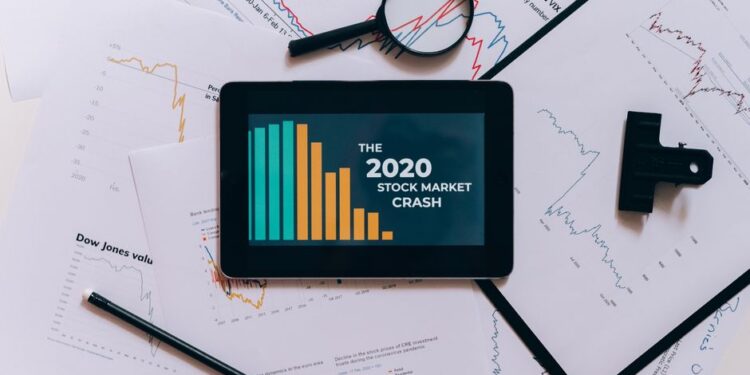
The hedge fund Situational Awareness, once valued at $45 billion, saw its assets drop to about $10 billion in just weeks due to rising collateral demands from banks, raising serious questions about the stability of AI investments.

In a dramatic turn of events, the hedge fund Situational Awareness, once valued at $45 billion, saw its assets drop to about $10 billion in just weeks. This swift decline was due to rising collateral demands from banks. These demands forced the fund to sell off significant technology investments. This fallout raises serious questions about the stability of AI investments and what hedge fund managers should do in volatile markets.
The fund, managed by Leopold Aschenbrenner, was known as a top AI investment vehicle. However, a recent sell-off, worsened by nervous banks and a sudden market shift, caught many investors off guard. Billionaire Ken Griffin’s Citadel seized the chance to buy stakes in major AI companies at a discount. This further complicates the story of the fund’s collapse. According to the Economic Times, Griffin’s Citadel acted quickly, reaching out to Situational Awareness to buy distressed assets. This highlights the aggressive tactics used by larger firms in the hedge fund space.
Collateral Demands and Their Impact on Hedge Fund Operations
The rapid decline of Situational Awareness shows how crucial collateral requirements are in hedge fund operations. As banks like Goldman Sachs and JPMorgan Chase demanded higher collateral amid falling tech stock prices, the fund struggled to keep its positions. This situation reflects a broader trend where lenders are wary of exposure to volatile sectors like AI.
According to Career Ahead’s analysis, collateral demands can greatly affect hedge funds’ liquidity and operational flexibility. Aschenbrenner’s firm had to sell positions to meet a flood of margin calls. This move hurt the fund’s valuation and sent shockwaves through the broader market. This scenario shows the delicate balance hedge funds must maintain between leveraging investments and managing risk. The Economic Times notes that the rapid sell-off of technology investments was a direct response to these increased collateral requirements, leaving the fund little choice but to sell at bad prices.
Moreover, the situation highlights the need for diversification in hedge fund portfolios. Situational Awareness focused heavily on AI technologies, making it vulnerable to the sudden downturn in this sector. Hedge fund managers must rethink their strategies to avoid similar risks in the future. Relying on a narrow range of assets can lead to huge losses, as seen in Situational Awareness’s case. This serves as a warning for other funds tempted to chase high returns in volatile sectors.
In the wake of this turmoil, hedge fund managers will likely reassess their exposure to high-risk sectors. The volatility in AI investments serves as a warning, urging managers to implement stricter risk management protocols and diversify their portfolios. The interconnectedness of hedge funds and broader market dynamics means that one fund’s failure can ripple across the industry, prompting a reevaluation of investment strategies.
Hedge fund managers must rethink their strategies to avoid similar risks in the future.
Strategies for Managing Rapid Investment Losses
You may also like
 Industry & Global Trends
China Resumes Fuel Export Curbs, Impacting Global Energy Markets
China's reinstatement of fuel export curbs is set to tighten global energy markets, impacting diesel supply chains and raising prices worldwide. The regulatory changes present…
Read More →As hedge fund managers deal with the fallout from Situational Awareness’s collapse, they must develop effective strategies for managing rapid investment losses. One approach is to set clear exit strategies for high-risk investments. By establishing predefined loss thresholds, managers can avoid forced liquidations during market downturns.
Career Ahead research shows that proactive risk management can help hedge funds navigate turbulent markets. This includes using hedging strategies to protect investments from sudden declines. Options and futures contracts can be valuable tools for mitigating risks in volatile asset classes, especially in the tech sector. The need for such strategies is clear, as the rapid decline of Situational Awareness shows the potential for catastrophic losses without strong risk management frameworks.
Additionally, maintaining open communication with lenders and investors is vital. The situation with Situational Awareness illustrates that transparency can build trust and provide more leeway during tough times. By keeping stakeholders informed about investment strategies and market conditions, hedge fund managers can create a collaborative environment that may lead to better outcomes. The importance of communication is crucial, especially in crises, as it can help reduce panic and stabilize investor confidence.
Furthermore, hedge fund managers should consider using technology to improve their decision-making processes. Advanced analytics and AI-driven insights can provide valuable data on market trends. This allows managers to make informed choices about their investments and risk exposure. Integrating technology into investment strategies is increasingly vital, offering a competitive edge in a rapidly changing market.
Ultimately, the lessons from Situational Awareness’s rapid rise and fall will likely shape the future of hedge fund management.
Ultimately, the lessons from Situational Awareness’s rapid rise and fall will likely shape the future of hedge fund management. By adopting a more disciplined approach to risk and investment strategies, hedge fund managers can better prepare for future market storms. Aschenbrenner’s firm serves as a stark reminder of the volatility in AI investments. The need for a resilient and adaptable investment strategy is more critical than ever.
The involvement of major players like Citadel in the turmoil surrounding Situational Awareness highlights the interconnectedness of hedge funds and the broader market. Citadel’s quick acquisition of stakes in distressed AI companies shows its market power and raises questions about competition in the hedge fund industry.
You may also like
 Industry & Global Trends
Why Analysts Predict a Tough October for Indian Markets
Analysts predict a challenging October for India's Nifty index due to rising US yields, volatile crude prices, and a weakening rupee. These factors are prompting…
Read More →As hedge funds face pressure to deliver returns in a volatile environment, the strategies of major players like Citadel may set the tone for the industry. Career Ahead analysis indicates that aggressive tactics by larger firms can create challenges for smaller funds, like Situational Awareness, that lack the same capital and market influence.
This dynamic can lead to a concentration of power in the hedge fund industry, potentially stifling competition and innovation. Smaller funds may struggle to attract investment if they cannot show resilience in volatile markets, leading to similar investment strategies. Moreover, the rapid evolution of the AI sector means hedge funds must stay agile and responsive to market sentiment changes. Situational Awareness’s experience shows that the ability to pivot quickly and adapt to new information is essential for survival.
Looking ahead, the hedge fund industry may see further consolidation as smaller firms adapt to the changing landscape or exit the market. The success of major players like Citadel could influence investment strategies across the board, leaving smaller funds to navigate a challenging terrain. The collapse of Situational Awareness is a stark reminder of the volatility in AI investments. As hedge fund managers face this turbulent market, understanding the implications of rapid shifts is crucial. The future of hedge funds may depend on their ability to adapt and innovate in an ever-changing landscape.
Open communication with lenders and leveraging technology for market insights are also key for effective risk management.
Frequently Asked Questions
What strategies can hedge fund managers use to mitigate investment risks?
Hedge fund managers can set clear exit strategies for high-risk investments. They can also use hedging strategies with options and futures contracts. Open communication with lenders and leveraging technology for market insights are also key for effective risk management.
How can tech investors assess the stability of AI companies?
Tech investors should analyze a company’s financial health, market position, and risk exposure. Diversifying investment portfolios and monitoring market trends can help gauge the stability of AI companies.

What should hedge fund managers do about sudden market shifts in technology investments?
Hedge fund managers must stay agile and responsive to market changes. Developing proactive risk management strategies, maintaining liquidity, and diversifying portfolios are essential for navigating sudden market shifts.
You may also like
 Industry & Global Trends
Vietnam’s 10% Growth Fuels Manufacturing and Export Opportunities
Vietnam's economy is poised for a remarkable growth rate of 9.95% in Q3 2026, driven by a booming manufacturing sector and a record trade surplus.…
Read More →