No products in the cart.

Tariffs Threaten Stability of Canadian Auto Industry
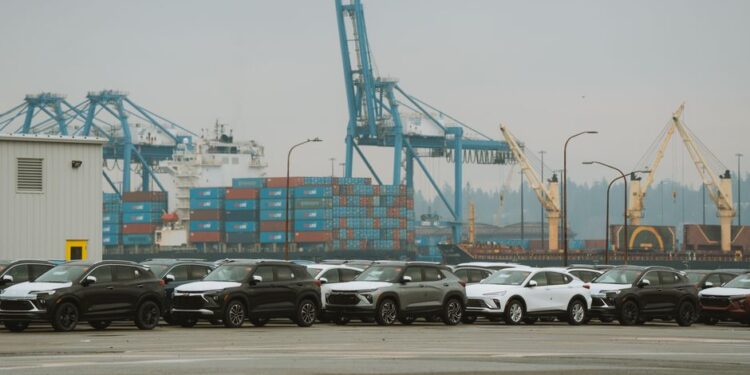
The introduction of 50% tariffs on Canadian automotive products poses a significant threat to the industry, risking job losses and supply chain disruptions. Career Ahead's analysis reveals the urgent need for contingency planning among manufacturers and suppliers.

Canada’s automotive industry faces a serious threat. The U.S. plans to impose 50% tariffs on Canadian cars, trucks, and parts starting in early 2027. President Trump announced this decision as part of a larger trade conflict. If these tariffs go into effect, they could severely harm a sector that has thrived under free trade for decades.
The tariffs will likely raise production costs for automotive manufacturers in Canada. This increase could lead to higher prices for consumers and reduced sales. Additionally, the tariffs may disrupt established supply chains that currently operate under existing trade agreements.
The Immediate Impact of Tariffs on Automotive Parts Suppliers
Canadian automotive parts suppliers are preparing for a financial blow due to the proposed tariffs. According to Career Ahead’s analysis of industry data, parts suppliers may see their costs rise sharply. This rise will make it hard to maintain profit margins. The 50% tariff on imported parts will force many suppliers to absorb costs or pass them to manufacturers, leading to higher vehicle prices.
Suppliers that rely heavily on U.S. components will face immediate challenges. Many of these companies have built their operations around free trade. The sudden tariffs will require them to make rapid adjustments. Some may need to explore new sourcing options, which can take time and incur extra costs.
The automotive supply chain is highly interconnected. A tariff on one component can disrupt the entire production process. Suppliers may need to renegotiate contracts or find new partners, complicating logistics and causing production delays.
As the tariffs approach, many automotive parts suppliers are considering their next steps. Some may think about relocating production or diversifying their supply chains to reduce risks. However, these strategies require significant investment and time, which may not be possible for all companies.
Career Ahead research shows that without quick action, many suppliers could face bankruptcy or layoffs.
Career Ahead research shows that without quick action, many suppliers could face bankruptcy or layoffs. The combination of rising costs and potential loss of business could lead to job cuts across the sector.
Job Losses and Economic Repercussions for Canadian Manufacturing
The proposed tariffs could have severe effects on jobs in Canada’s automotive manufacturing sector. According to data from Canooq.ca, the industry employs over 500,000 people, both directly and indirectly. Many of these jobs could be at risk if tariffs force manufacturers to cut back on production or move operations elsewhere.
Companies may respond to rising costs by reducing their workforce to stay profitable. This could lead to thousands of job losses, affecting workers, their families, and local economies. The automotive sector drives economic activity in many regions, and job losses could hurt related industries.
Moreover, uncertainty about trade relations with the U.S. may deter investment in the Canadian automotive sector. Investors typically seek stability, and the threat of tariffs could slow new projects or expansions. This slowdown could stifle innovation and technological advancement, further threatening the industry’s long-term viability.

Career Ahead analysis suggests that the economic fallout from these tariffs could extend beyond the automotive sector. As manufacturers cut back, local suppliers, service providers, and retailers may also suffer from decreased demand, leading to broader economic challenges.
Given the potential job losses, many industry leaders are calling for a reevaluation of trade policies. They argue for a more balanced approach to protect jobs while ensuring fair trade practices.
Shifting Trade Relations and Future Implications The proposed tariffs indicate a major shift in trade relations between Canada and the U.S.
Shifting Trade Relations and Future Implications
The proposed tariffs indicate a major shift in trade relations between Canada and the U.S. Historically, the two nations have enjoyed a mutually beneficial relationship, especially in the automotive sector. However, these tariffs mark a departure from that trend, raising questions about the future of bilateral trade.
The automotive industry has been a cornerstone of economic cooperation between Canada and the U.S. The tariffs could lead to a reevaluation of trade agreements and partnerships, potentially driving a wedge between the two countries. This shift may push Canadian manufacturers to seek new markets and diversify their export strategies.
Furthermore, the possibility of retaliatory tariffs from Canada adds complexity to this situation. According to TariffsTool.com, Canada is preparing to impose counter-tariffs on U.S. goods, which could escalate the trade conflict. This tit-for-tat approach could destabilize the automotive industry and raise costs for consumers on both sides of the border.

As the situation evolves, automotive manufacturers must consider the long-term implications of these tariffs. Companies may need to reassess their supply chains, production strategies, and market focus to adapt to changing trade conditions. This could involve investing in new technologies or exploring partnerships with international suppliers.
The future of the Canadian automotive industry is uncertain as stakeholders face the reality of increased tariffs and shifting trade relations. How manufacturers respond to these challenges will determine their ability to survive and thrive in a competitive global market.
Career Ahead’s analysis highlights the urgent need for contingency planning among automotive executives and suppliers.
Career Ahead’s analysis highlights the urgent need for contingency planning among automotive executives and suppliers. As tariffs approach, proactive strategies will be essential for navigating the uncertain landscape ahead.
Frequently Asked Questions
What should automotive manufacturing executives do in response to potential tariffs?
Career Ahead analysis suggests that automotive executives should start contingency planning now. This includes evaluating supply chains, exploring alternative sourcing options, and preparing for possible price increases.
How can automotive parts suppliers mitigate the impact of increased tariffs?
Suppliers can reduce the impact by diversifying their supply chains and seeking local alternatives for components. This may help lessen reliance on U.S. imports that are subject to tariffs.

What are the long-term implications of US-Canada trade tensions for the automotive industry?
The long-term implications could include shifts in market dynamics, higher costs for consumers, and potential job losses. Manufacturers may also seek to establish new trade partnerships to adapt to the changing landscape.
Written by Career Ahead AI. AI can make mistakes, so verify key facts. Report errors to support@careeraheadonline.com.