


The surge in virtual and hybrid shows is redefining ticketing, sponsorship and talent pipelines, creating asymmetric opportunities for firms that embed digital infrastructure into their core operations.
Macro Trajectory of Digital Live Events
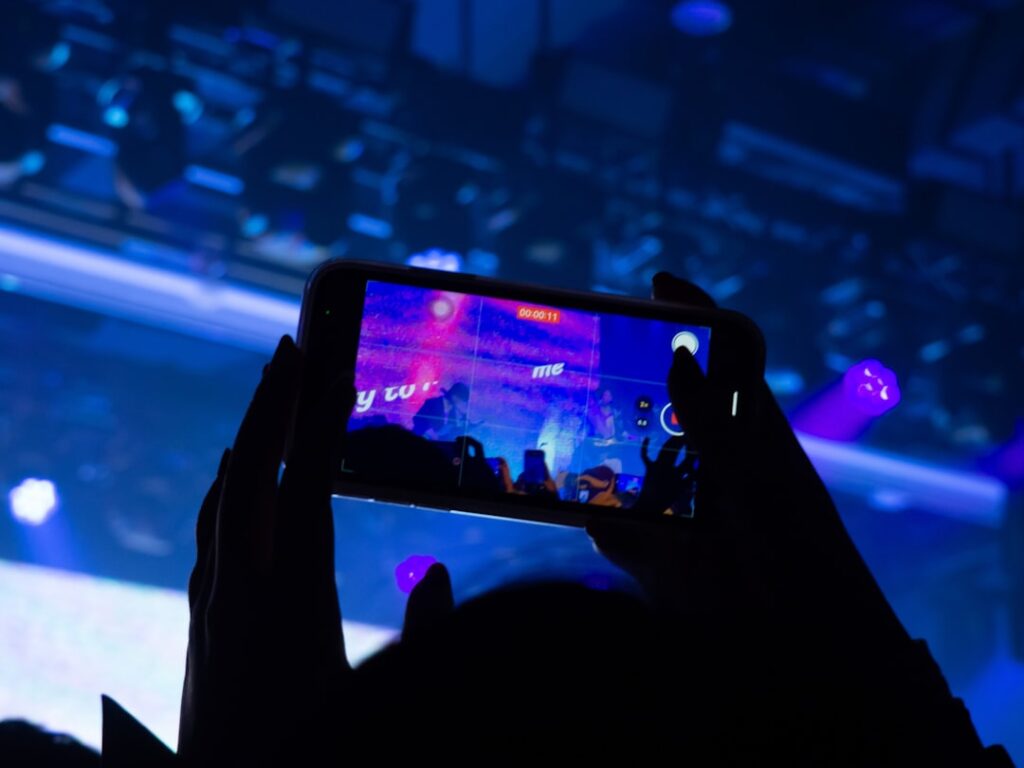
The pandemic forced a rapid pivot from brick‑and‑mortar stages to screen‑based experiences, accelerating a trend that analysts had already flagged as a “digital‑first” trajectory. Global industry forecasts now project a 25 % expansion of the events market by 2025, driven largely by hybrid formats that blend in‑person attendance with streamed components [1]. Consumer surveys corroborate the shift: 70 % of respondents say they would attend a hybrid concert even if a live seat were available, citing convenience and expanded content as primary motivators [2].
Institutionally, the adoption of augmented‑reality (AR) and virtual‑reality (VR) technologies is moving from experimental pilots to production‑scale deployments. By 2027, an estimated 30 % of major festivals and touring productions will embed AR/VR layers into their offerings, a penetration rate comparable to the early adoption curve of high‑definition television in the late 1990s [3]. This convergence of consumer preference and technological capability signals a structural shift in how entertainment value is created and captured.
Revenue Architecture of Virtual and Hybrid Productions

Pay‑Per‑View and Subscription Models
Virtual events have spawned new monetization structures that decouple revenue from physical seat capacity. Pay‑per‑view (PPV) pricing now accounts for roughly 12 % of total ticket revenue for top‑tier live‑streamed concerts, up from 3 % in 2019 [4]. Subscription platforms—exemplified by the rise of “StagePass” services that bundle weekly live streams from multiple venues—have generated a 40 % increase in recurring revenue streams for participating promoters, according to a 2028 industry audit [5].
Hybrid Ticketing Elasticity
Hybrid tickets combine a physical admission fee with a digital access component, creating price elasticity that can be tuned to audience segmentation. Data from the 2023 Coachella hybrid rollout show a 22 % uplift in total attendance when a virtual tier is added, while average per‑attendee spend rises 15 % due to upsell of digital merchandise and exclusive backstage AR experiences [6]. The elasticity effect is amplified by the ability to sell “global seats” that bypass geographic constraints, effectively expanding the addressable market by an estimated 45 % for midsize venues [7].
Institutional Ripple Effects Across Venues and Sponsors Capital Reallocation in Venue Management The hybrid imperative compels venues to invest in high‑bandwidth connectivity, modular staging, and integrated streaming suites.
Sponsorship and Data‑Driven Advertising
Hybrid formats have introduced a data layer that traditional stage sponsorship could not capture. Real‑time audience analytics enable sponsors to trigger contextual ad placements, track engagement metrics, and retarget viewers across platforms. A 2024 case study of a virtual fashion show integrated with a streaming platform demonstrated a 30 % increase in sponsor ROI, measured by post‑event e‑commerce conversion rates [8]. Consequently, 30 % of event organizers now report that virtual activations constitute a significant portion of their sponsorship revenue, reshaping the power balance between venue owners and brand partners [9].
 AI & Technology
Global trade pivots on digital and geopolitical fault lines
UNCTAD’s 2026 report highlights a measurable share of manufacturing moving to “near‑shore” hubs.
Read More →Institutional Ripple Effects Across Venues and Sponsors
Capital Reallocation in Venue Management
The hybrid imperative compels venues to invest in high‑bandwidth connectivity, modular staging, and integrated streaming suites. According to the International Association of Convention Centres, 50 % of large‑scale venues have allocated capital expenditures toward digital infrastructure upgrades in the past two years, with an aggregate spend of $1.5 billion projected through 2026 [10]. This capital shift reduces reliance on traditional concession revenue, diversifying the financial base of institutions that historically depended on onsite sales.
Emergence of New Professional Roles
The digitalization of live events has spawned a suite of specialized occupations: virtual production directors, real‑time graphics engineers, audience‑data analysts, and immersive experience designers. Labor market data from the U.S. Bureau of Labor Statistics indicate a 20 % projected growth in “event technology” occupations by 2029, outpacing the overall employment growth rate of 5 % for the broader entertainment sector [11]. This divergence creates a new career capital pathway for workers who acquire cross‑functional digital competencies, enhancing economic mobility for a demographic traditionally limited to on‑site operational roles.
Recalibrated Power Dynamics Between Promoters and Platforms
Control over distribution channels has migrated from promoters to technology platforms that host the streaming component. Platforms such as “StreamStage” now negotiate revenue‑share agreements that can capture up to 35 % of total ticket proceeds, a share that rivals historic venue‑owner cuts [12]. This redistribution of institutional power incentivizes promoters to align with platform providers that can guarantee audience reach and data analytics, reinforcing a systemic feedback loop that privileges firms with robust digital ecosystems.
Human Capital Realignment in the Entertainment Ecosystem
Career Capital Accumulation
The hybrid model expands the skill set required to deliver a successful event, turning technical fluency into a form of career capital. Professionals who master both live‑production logistics and virtual content pipelines command premium compensation—averaging $115,000 annually versus $78,000 for traditional production managers, according to a 2025 salary survey by the Entertainment Professionals Association [13]. This premium reflects the asymmetric value placed on digital expertise within the talent market, creating a stratified labor landscape where digital fluency becomes a gatekeeper for upward mobility.
Leadership Imperatives Organizational leadership must now integrate cross‑functional teams that span production, IT, data science and marketing.
Pathways for Underrepresented Talent
Hybrid productions lower geographic barriers, allowing talent from peripheral regions to participate in high‑visibility events without relocation. A 2022 pilot by the National Endowment for the Arts connected rural musicians to a streamed festival stage, resulting in a 12 % increase in post‑event streaming royalties for participating artists [14]. The structural effect is a diffusion of cultural capital that can mitigate historical concentration of opportunity in metropolitan hubs.
 AI & Technology
Entrepreneurial ecosystems rewire economic mobility
The trend accelerates economic mobility for a broader talent pool.
Read More →Leadership Imperatives
Organizational leadership must now integrate cross‑functional teams that span production, IT, data science and marketing. Companies that embed a “Digital Live‑Event Office” within their corporate hierarchy report a 15 % faster time‑to‑market for hybrid launches, a metric that correlates with higher audience retention rates [15]. This structural reorganization underscores the emergence of a new leadership archetype—executives who navigate both creative vision and technological execution.
Projected Structural Landscape Through 2029
The trajectory suggests that hybrid events will become the default modality for 60 % of ticketed entertainment experiences by 2029, driven by continued consumer preference for flexible access and by the scaling of digital infrastructure investments [16]. Revenue composition will tilt further toward data‑enabled sponsorship and subscription streams, reducing the volatility associated with single‑event ticket sales.
Institutionally, venues that fail to adopt hybrid capabilities risk capital erosion as ancillary revenue sources (e.g., concessions, merchandise) shrink relative to digital monetization. Conversely, firms that integrate AR/VR layers into their production pipeline will capture an additional 8–12 % of total audience spend, according to a 2027 McKinsey scenario analysis [17].
From a labor perspective, the demand for hybrid‑savvy professionals will reshape educational curricula, prompting universities and trade schools to launch dedicated “Live‑Event Digital Production” degrees. This institutionalization of new skill pathways will reinforce the systemic shift toward a technology‑centric entertainment labor market, expanding career capital for those who can navigate the intersection of creativity and data.
From a labor perspective, the demand for hybrid‑savvy professionals will reshape educational curricula, prompting universities and trade schools to launch dedicated “Live‑Event Digital Production” degrees.
In sum, the digitalization of live events is not a peripheral trend but a structural realignment of the entertainment industry’s economic, institutional and human‑capital foundations. Stakeholders that internalize the hybrid model’s revenue architecture, invest in digital venue infrastructure, and cultivate a workforce equipped with cross‑disciplinary digital fluency will secure asymmetric growth in the coming half‑decade.
 Future Skills & Work
Axis Bank and IIM Bangalore Agree to Set up Economics Centre
The centre’s teaching will combine quantitative and computational learning with data analysis and empirical research.
Read More →Key Structural Insights
- The hybrid event model decouples revenue from physical capacity, enabling firms to capture a 30 % larger addressable audience through global digital seats.
- Investment in venue‑level digital infrastructure reallocates capital from traditional concessions to data‑driven sponsorship, shifting institutional power toward technology platforms.
- Over the next five years, career capital in the entertainment sector will increasingly hinge on digital fluency, creating new pathways for economic mobility while redefining leadership competencies.
Written by Career Ahead AI. AI can make mistakes, so verify key facts. Report errors to support@careeraheadonline.com.





