No products in the cart.

The Rise of Digital Sabbaticals in the Workplace

Digital sabbaticals are emerging as a powerful strategy to enhance creativity and productivity in the workplace. Learn how structured breaks can transform your work life.

San Francisco, USA — A growing trend among knowledge workers is the adoption of digital sabbaticals, structured breaks from technology and digital communication. Employees across various sectors are realizing that unplugging can lead to improved creativity, focus, and mental resilience. Major companies like Google and Microsoft are beginning to formalize these breaks as part of their workplace wellness initiatives.
As the boundaries between work and personal life blur, the importance of these digital detoxes becomes more pronounced. With reports indicating that nearly 70% of employees feel overwhelmed by constant connectivity, the call for structured downtime is louder than ever. Digital sabbaticals offer a proactive solution to combat burnout and enhance overall job satisfaction.
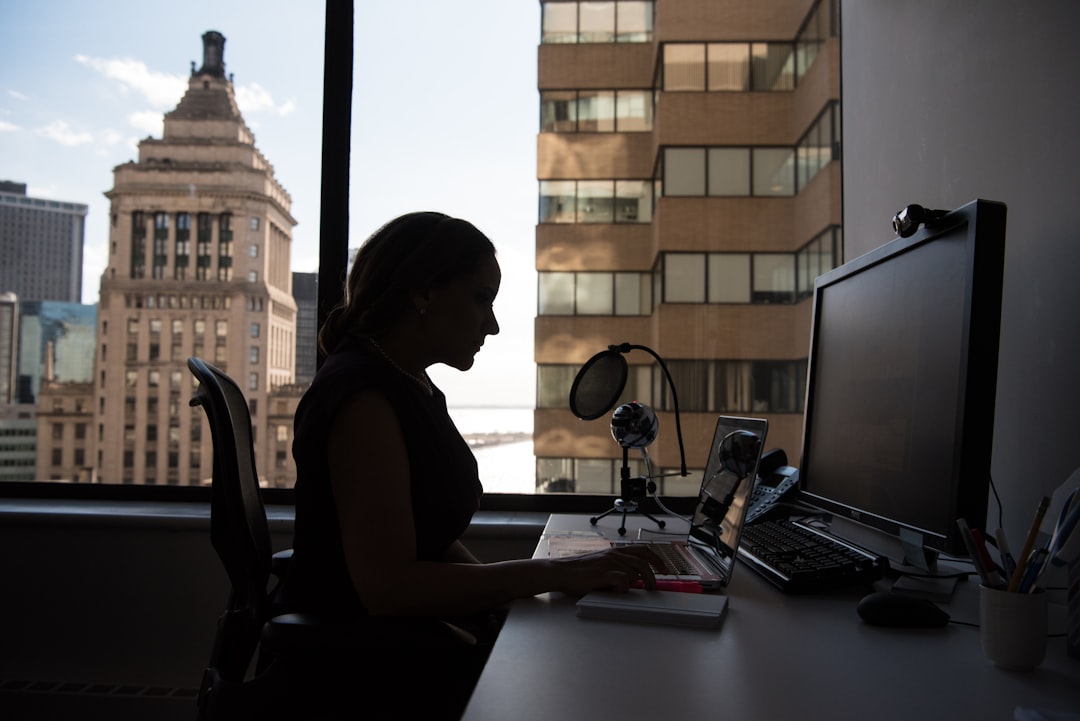
Digital sabbaticals are not just about taking time off; they represent a shift in workplace culture. The traditional model of non-stop productivity is being challenged by evidence that shows the benefits of restorative breaks. According to a study by the American Psychological Association, taking regular breaks can boost focus and creativity by as much as 30%.
In today’s fast-paced work environment, knowledge workers often face immense pressure to remain connected and responsive. A 2023 survey from Statista found that 56% of employees reported feeling the need to check their emails outside of work hours, leading to increased stress and decreased job satisfaction. In response, organizations are exploring ways to incorporate digital sabbaticals into their corporate culture.
A 2023 survey from Statista found that 56% of employees reported feeling the need to check their emails outside of work hours, leading to increased stress and decreased job satisfaction.
For instance, in July 2023, Microsoft Japan reported a remarkable 40% increase in productivity after implementing a four-day workweek, which included mandated digital breaks. Employees were encouraged to step away from screens and engage in offline activities, resulting in a more motivated workforce and a significant drop in stress levels.
But what does a digital sabbatical look like in practice? It can vary widely from person to person. Some individuals might opt for a full week away from all screens, while others may choose specific days to unplug entirely. The key is intentionality—setting aside dedicated time to disconnect from digital distractions.
You may also like
 Future Skills & Work
NYC
The AI sector in the United States is facing a significant downturn, impacting young job seekers and recent graduates nationwide. Companies are changing their hiring…
Read More →Experts suggest that the benefits of digital sabbaticals extend beyond just individual well-being. Companies that promote and support these breaks may see improvements in overall team dynamics and collaboration. Engaging in activities that foster creativity, such as hiking, reading, or even practicing mindfulness, can lead to more innovative ideas when employees return to their tasks.
However, the implementation of digital sabbaticals is not without challenges. Some leaders express concerns about the potential impact on productivity during these breaks. Yet, research consistently shows that the long-term benefits outweigh the short-term disruptions. A report by the World Health Organization indicates that mental health issues, often exacerbated by constant connectivity, can cost businesses up to $1 trillion annually in lost productivity.
In addition, creating a culture that values digital sabbaticals may require a paradigm shift in management practices. Leaders need to model this behavior by taking their own breaks and encouraging their teams to do the same. By prioritizing mental health and well-being, organizations can cultivate an environment where creativity and productivity thrive.
As more companies embrace the concept of digital sabbaticals, the conversation around work-life balance is evolving. Employees are increasingly advocating for their right to disconnect, and organizations are responding with policies that reflect this changing landscape.
A report by the World Health Organization indicates that mental health issues, often exacerbated by constant connectivity, can cost businesses up to $1 trillion annually in lost productivity.
Looking ahead, the future of work will likely see a greater emphasis on mental health and well-being as essential components of productivity. Digital sabbaticals may become a standard practice across industries, reshaping how we approach work and personal time. As the trend gains traction, it will be interesting to see how organizations innovate to support their employees’ needs for both connection and disconnection.
You may also like
 Future Skills & Work
AI Agents Reshaping Job Markets, Leaders Respond
The integration of AI agents into various sectors is transforming job markets globally, prompting leaders to rethink workforce strategies and skill requirements. This shift raises…
Read More →Ultimately, the rise of digital sabbaticals highlights a crucial realization: productivity is not solely measured by hours logged at a desk. It’s about fostering an environment where creativity and innovation can flourish. As we move forward, the challenge will be to find that balance between staying connected and allowing space for the mind to breathe.