No products in the cart.

The Role of AI in Transforming Biotech Research
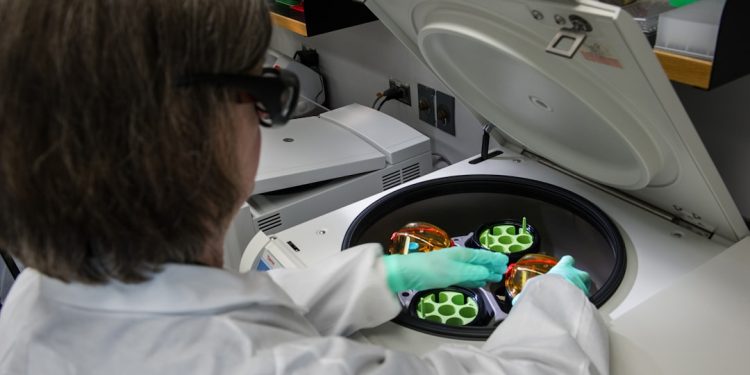
AI is revolutionizing biotech research, creating new roles and enhancing innovation. Explore the impact on careers in this evolving field.

Cambridge, Massachusetts — Artificial intelligence (AI) is not just a buzzword; it’s a transformative force reshaping the biotechnology landscape. As researchers integrate advanced algorithms and machine learning models into their work, the implications for scientific discovery and career trajectories are profound.
This evolution is evident in laboratories where AI tools drastically improve research efficiency and accuracy. For instance, AI algorithms can analyze vast datasets, identifying patterns that human researchers might overlook. The result? Faster drug discovery, enhanced diagnostics, and personalized medicine tailored to individual patients’ genetic profiles.

Historically, biotech research involved lengthy processes of trial and error. However, companies like Moderna and Amgen are now leveraging AI to streamline these processes. Moderna, known for its mRNA technology, uses AI to predict which vaccine candidates will be most effective, significantly cutting down research timelines. Similarly, Amgen employs machine learning to optimize its drug development pipeline, potentially saving millions in research costs.
The shift towards AI-driven research is not merely a technological upgrade; it’s creating new career paths within the biotech sector. Traditional roles in laboratories are evolving, giving rise to positions focused on data analysis, algorithm development, and AI ethics. For instance, bioinformatics specialists are increasingly in demand to bridge the gap between biological data and AI applications. According to a report by the World Economic Forum, the demand for such roles is expected to grow by 20% annually through 2025.
Similarly, Amgen employs machine learning to optimize its drug development pipeline, potentially saving millions in research costs.
Educational institutions are responding to this need by adapting their curricula. Universities like Stanford and MIT are introducing specialized programs in AI and biotechnology, equipping students with the necessary skills to thrive in this new environment. These programs emphasize interdisciplinary learning, combining biology, computer science, and data analytics.
However, the rapid integration of AI into biotech research also raises ethical questions. As AI systems become more autonomous, concerns about bias in algorithms and data privacy emerge. Experts argue that as biotech firms adopt AI technologies, they must also establish ethical frameworks to govern their use. The necessity for AI ethics officers is becoming increasingly apparent, as companies navigate these complex challenges.
Moreover, the gig economy is making inroads into biotech as well. Freelance data scientists and AI specialists are finding opportunities to work on specific projects, providing flexibility and expertise that traditional employment models may not offer. This trend reflects a broader shift in the workforce, where contract work is becoming more prevalent in specialized fields.
The implications of AI in biotech extend beyond research and employment. The ability to process vast amounts of biological data rapidly can lead to breakthroughs in understanding complex diseases, ultimately impacting public health. For instance, AI’s role in genomics is revolutionizing how diseases are diagnosed and treated, paving the way for more effective interventions.
You may also like
 AI & Technology
AI Interviewing Transforms Future Hiring Landscape
HackerRank's AI interviewer, Chakra, is transforming recruitment by streamlining the hiring process and emphasizing critical thinking and problem-solving skills in candidates.
Read More →As this technological landscape continues to evolve, stakeholders must remain vigilant. Policymakers, educators, and industry leaders must collaborate to ensure that the workforce is prepared for the challenges and opportunities that AI presents. This includes investing in continuous education and training programs that keep pace with technological advancements.
Experts argue that as biotech firms adopt AI technologies, they must also establish ethical frameworks to govern their use.
Looking ahead, the intersection of AI and biotechnology promises to drive significant advancements in healthcare. As researchers harness AI’s potential, we can expect a future where treatments are not only more effective but also more accessible. The journey toward this future requires a commitment to ethical practices, education, and collaboration across disciplines.