The urgency for effective battery storage solutions has never been greater. Recent heatwaves across Europe have spurred interest in home battery systems, with companies like Unigrid reporting a surge in requests from countries such as Spain, France, and Germany. Unigrid is currently shipping sodium ion batteries, a promising…
United States — As climate events increase the demand for reliable energy storage, several startups are emerging to revitalize battery manufacturing in the country. Companies like Unigrid, Emerald Battery Labs, and Peak Energy are at the forefront, developing innovative solutions to meet the growing needs of consumers and businesses alike.
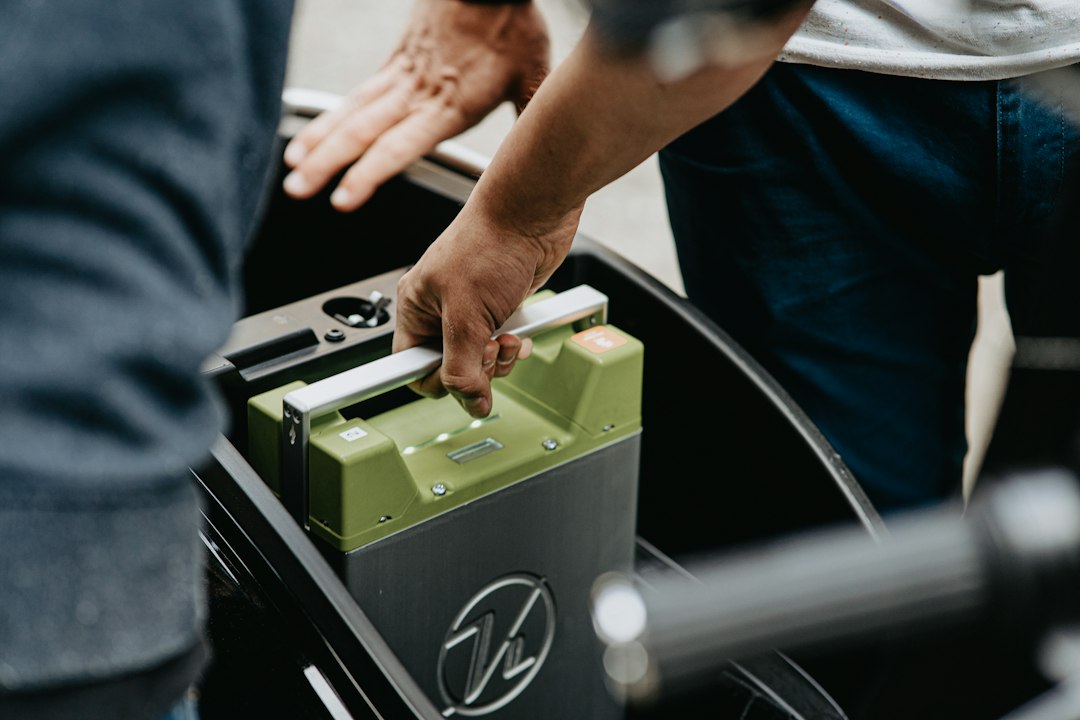
The urgency for effective battery storage solutions has never been greater. Recent heatwaves across Europe have spurred interest in home battery systems, with companies like Unigrid reporting a surge in requests from countries such as Spain, France, and Germany. Unigrid is currently shipping sodium ion batteries, a promising alternative to traditional lithium-ion technology, which could revolutionize energy storage. According to a report by BBC News, the company has already shipped its first 100 units and expects to ship 1,000 by the end of the year, highlighting the increasing demand for such technologies in response to climate challenges.
Innovations in Sodium Ion Battery Technology
Unigrid’s sodium ion battery technology is capturing attention due to its potential cost-effectiveness and safety. Unlike lithium-ion batteries, sodium ion batteries can operate in extreme temperatures, making them suitable for a wider range of applications. Darren Tan, co-founder of Unigrid, notes that his company plans to ship 1,000 units by the end of the year, highlighting a rapidly growing market. This technology not only promises lower costs but also addresses safety concerns associated with lithium-ion batteries, which can be prone to overheating and fires.
Emerald Battery Labs, another startup, is focusing on a niche within the market by developing 12-volt auxiliary batteries for commercial vehicles. The company aims to source sodium ion cells domestically, which would reduce dependency on foreign suppliers. This move aligns with a broader trend of reshoring manufacturing capabilities to the US, as startups recognize the strategic importance of local production. The emphasis on domestic sourcing is particularly relevant given the geopolitical tensions that have disrupted global supply chains, making local production not only a strategic advantage but also a necessity.
Peak Energy is also making strides by partnering with General Motors to create a domestic supply chain for sodium ion batteries. This collaboration aims to support large-scale energy storage for electricity grids, addressing the increasing demand for sustainable energy solutions. Cameron Wiles, president and co-founder of Peak Energy, emphasizes that while China currently leads in sodium ion battery production, US companies can compete by leveraging local resources and innovation. This partnership is indicative of a larger trend where established automotive companies are investing in battery technologies to secure their supply chains and reduce reliance on foreign manufacturers.
India’s food market, now estimated to be worth $600 billion, is experiencing a robust growth rate of 7% compounded annually, driven by economic expansion and…
Safety concerns, particularly regarding the materials used in battery production, must also be addressed.
Challenges in Scaling Production
Despite the promise of sodium ion technology, challenges remain. The production of these batteries at scale requires significant investment and expertise. Safety concerns, particularly regarding the materials used in battery production, must also be addressed. For instance, Unigrid’s use of chromium-3 in its cathodes has raised questions about potential toxicity. However, the company asserts that rigorous testing has shown their product to be safe for market entry. The scrutiny over battery materials reflects a growing consumer demand for transparency and safety in energy storage technologies, which could influence purchasing decisions moving forward.
As highlighted by the BBC, the increasing demand for battery storage solutions in Europe has created a ripple effect, prompting US startups to ramp up production and innovate to meet consumer needs. Startups must navigate complex regulatory landscapes and secure funding to bring their products to market. The competition for investment is fierce, as traditional battery manufacturers also seek to expand their operations in response to rising demand.
Government Support for Domestic Manufacturing
The Biden administration’s focus on renewable energy and domestic manufacturing is creating a favorable environment for battery startups. Policies aimed at reducing carbon emissions and promoting clean energy technologies are incentivizing investments in the battery sector. This support is crucial for startups looking to establish a foothold in a competitive market dominated by established players. The government has introduced various initiatives, including grants and tax incentives, to stimulate innovation and support the growth of emerging companies in the battery manufacturing space.
Government initiatives, such as grants and tax incentives for clean energy projects, are encouraging startups to innovate and scale their operations. For example, the Department of Energy has launched programs to fund research and development in battery technologies, which could provide crucial support for emerging companies. This backing not only fosters innovation but also enhances the credibility of new entrants in the market. Additionally, the emphasis on domestic production aligns with national security interests, as reducing reliance on foreign supply chains, particularly those originating in China, is a priority for US policymakers.
Future Prospects for Battery Startups
Overall, the intersection of policy support, consumer demand, and technological innovation is creating a dynamic landscape for battery startups in the US. As these factors converge, the potential for growth and success in the sector appears promising. The coming years may see significant advancements in battery technology, reshaping how energy is stored and utilized across various sectors.
Fervo Energy's Cape Station power plant has begun selling electricity to the grid, designed to generate 100 megawatts of power with potential expansion to 4…
As these factors converge, the potential for growth and success in the sector appears promising.
As the battery manufacturing landscape evolves, it will be essential for startups to remain agile and responsive to market changes. The demand for innovative battery technologies is likely to rise, presenting numerous opportunities for startups in the sector. This shift is not only driven by consumer demand but also by regulatory pressures that encourage the adoption of cleaner technologies.
Key Considerations for Founders
Battery manufacturing startups face several challenges, including securing funding, navigating regulatory hurdles, and addressing safety concerns related to battery materials. Founders should focus on identifying niche markets where their technology can provide a competitive advantage. Understanding regulatory requirements, securing reliable supply chains, and establishing partnerships with key industry players are also critical for success in the battery manufacturing sector.
Renewable energy engineers play a crucial role in advancing battery technology by developing innovative solutions that enhance energy efficiency and safety. Their expertise is essential in designing systems that integrate batteries with renewable energy sources, optimizing performance and sustainability.




Industry & Global Trends
 Industry & Global Trends