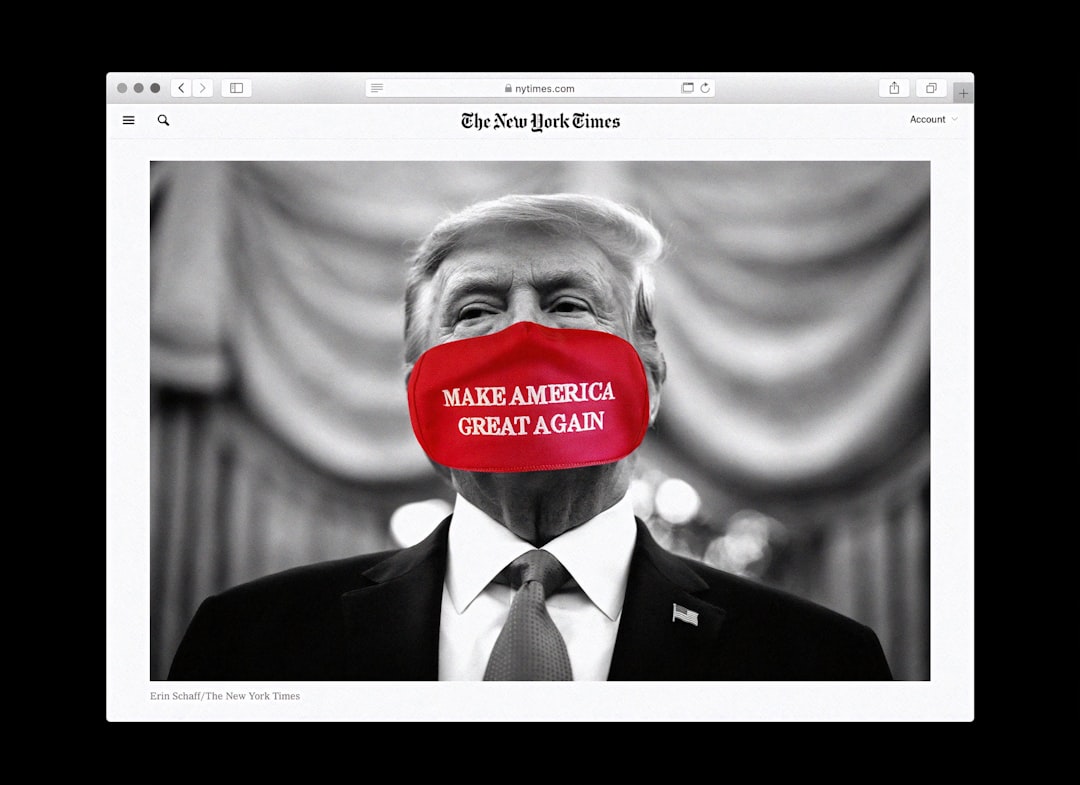
David Sacks, a key advisor to President Trump, is pushing for minimal regulation of artificial intelligence, arguing that oversight could hinder U.S. competitiveness. This stance has ignited significant debate within the tech community, revealing the tension between innovation and safety.
U.S. President Donald Trump has taken a strong stance against regulating artificial intelligence (AI). His position is heavily influenced by David Sacks, a billionaire venture capitalist and tech advisor. On September 20, 2026, Sacks dismissed calls for AI oversight from over 100 researchers and technologists, calling them alarmist. This push for minimal regulation is causing significant ripples in the tech community. It raises questions about balancing innovation and safety.
Lawmakers from both parties are advocating for stricter oversight of AI technologies. However, Trump’s administration, swayed by Sacks, seems to be moving in the opposite direction. Sacks argues that regulation would hurt the U.S.’s competitive edge in AI development. Trump echoes this sentiment, having previously referred to AI safety concerns as a “hoax.” This divergence from many tech leaders and experts highlights growing tension in the AI landscape. According to a report by The Guardian, Sacks’s rhetoric has made him a polarizing figure. Critics call him an “out-of-touch Silicon Valley radical” who prioritizes corporate interests over public safety.
The Influence of David Sacks on AI Policy
David Sacks has become a key figure in shaping AI policy within the Trump administration. His role as an advisor allows him to influence executive orders and policies that favor a deregulated environment for AI development. For example, Sacks played a crucial role in the December executive order that halted state laws restricting AI. This positioned the federal government as a protector of tech companies against local regulations. This move consolidates power within the federal framework and sidelines state-level initiatives aimed at ensuring ethical AI practices.
This alignment with Trump’s views has drawn criticism from various quarters, including tech leaders who advocate for responsible AI development. Notably, Sacks dismissed a public letter from AI experts calling for third-party evaluations of AI models. He referred to their concerns as “pseudoscience,” further alienating himself from a growing faction within the tech community that advocates for safety and accountability. His comments have sparked backlash, with many in the industry arguing that such attitudes could lead to a lack of necessary safeguards in AI deployment.
His role as an advisor allows him to influence executive orders and policies that favor a deregulated environment for AI development.
Meta has initiated a legal challenge against the UK media regulator Ofcom, contesting the classification of its platforms under the Online Safety Act. This action…
Moreover, Sacks’s financial interests in multiple AI companies raise ethical questions about his influence on policy. Critics argue that his proximity to power and financial stakes create a conflict of interest that could undermine public safety. As Sacks continues to advise Trump, the implications for the broader tech ecosystem remain significant. A Fortune article highlights how Sacks’s connections with other tech leaders have solidified a network that prioritizes deregulation. This could come at the expense of ethical considerations in AI development. Career Ahead analysis finds that Sacks’s influence could lead to a landscape where startups operate with fewer regulatory constraints. This may provide opportunities for innovation but also poses risks related to accountability and safety in AI applications. As tech startups navigate this evolving landscape, they must consider the potential fallout from a lack of oversight.
The Broader Implications of Limited AI Regulation
The push for limited AI regulation has far-reaching implications for the technology sector, especially for startups. With the Trump administration signaling a preference for deregulation, many emerging companies may find themselves in an environment that encourages rapid innovation. However, this raises concerns about ethical practices and user safety. Experts warn that unregulated AI applications could cause harm. Without proper oversight, the risks associated with AI could escalate dramatically.
Additionally, the current narrative surrounding AI regulation reflects a larger ideological battle over the role of government in technology. Sacks’s position aligns with a libertarian view that prioritizes innovation over regulation. He suggests that government intervention stifles creativity and progress. However, this perspective faces challenges from voices within the tech community advocating for a balanced approach. This approach ensures safety without hindering innovation. As reported by Politico, the tension between regulatory advocates and deregulation proponents is intensifying. Each side presents compelling arguments about the future of AI governance.
As the debate continues, the tech industry faces a crucial juncture. Startups may need to rethink their strategies in light of potential regulatory changes and public perception of AI safety. The challenge lies in balancing the drive for innovation with the need for responsible practices that protect users and society. In this context, the question arises: will the absence of regulation lead to a more dynamic tech landscape, or will it result in unforeseen consequences that require stricter oversight in the future? The answer remains uncertain as the industry grapples with the implications of Sacks’s influence and the Trump administration’s approach to AI.
As the landscape evolves, tech startups and AI researchers must remain vigilant. The ongoing dialogue about the future of AI regulation will shape the operational environment for years to come. It is essential for stakeholders to engage in these discussions actively. The ramifications of Sacks’s advocacy for limited regulation could redefine the relationship between technology and society. This emphasizes the need for careful examination of the ethical dimensions of AI development.
Microsoft's AI chief emphasizes the urgent need for regulatory frameworks in AI, arguing that geopolitical tensions should not delay necessary regulations. This call for regulation…
This emphasizes the need for careful examination of the ethical dimensions of AI development.
Frequently Asked Questions
What are the implications of limited AI regulation for AI policy advisors?
Career Ahead analysis indicates that limited AI regulation may reduce the authority of policy advisors. Their recommendations for oversight could be sidelined. This shift may lead to a landscape where accountability is less emphasized, raising concerns about the ethical development of AI technologies.
How can tech startup founders navigate the changing regulatory landscape?
Tech startup founders should closely monitor developments in AI regulation. They need to consider how shifts in policy may affect their operations. Engaging in advocacy for responsible AI practices may enhance their credibility and foster public trust in their innovations.
What should machine learning researchers consider in light of potential regulatory changes?
Machine learning researchers must be aware of the implications of a deregulated environment on their work. They should prioritize ethical considerations in their research. Additionally, they need to address public concerns regarding AI safety and accountability.




 Government & Policy
Government & Policy