Essar Group's GBP 4.3 billion investment in the Stanlow refinery aims to modernize operations and create thousands of jobs, focusing on sustainability and hydrogen technology in the UK energy sector.
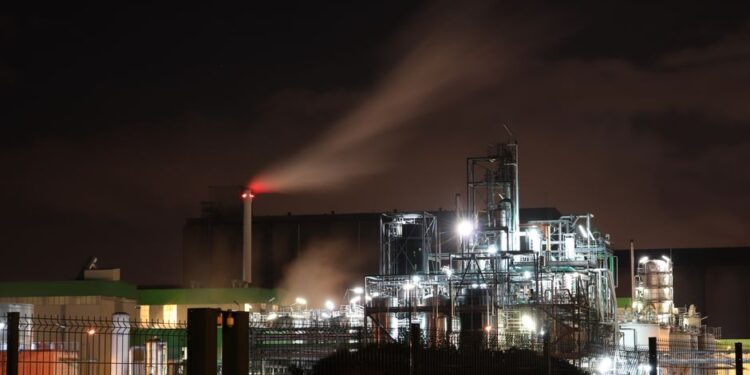
Essar Group has announced a significant investment of GBP 4.3 billion in the Stanlow refinery, marking a pivotal moment in the UK’s energy landscape. This investment aims to transform Stanlow into a hub for energy transition, emphasizing sustainability and advanced technology. The initiative is expected to create thousands of jobs while modernizing operations, aligning with the UK’s ambitious net-zero targets.
The investment plan encompasses several key projects, including the development of hydrogen-ready infrastructure and the expansion of the refinery’s retail network. This strategic shift is anticipated to modernize operations and position Stanlow as a leader in the UK’s transition to greener energy sources. Reports indicate that the investment will enhance energy efficiency and significantly reduce carbon emissions, in line with the UK government’s net-zero objectives.
Essar has already completed a GBP 100 million turnaround, which has increased the refinery’s throughput by approximately 8%. Furthermore, the commissioning of the UK’s first hydrogen-ready refinery furnace underscores Essar’s commitment to innovative technologies. This furnace is crucial for producing low-carbon hydrogen, a vital component in the decarbonization of the energy sector.
Job Creation and Skills Development in the Energy Sector
The GBP 4.3 billion investment at Stanlow is set to generate numerous job opportunities for engineers and other professionals in the energy sector. These roles will primarily focus on refinery operations, project management, and the implementation of new technologies. Analysis suggests that this investment could create thousands of skilled jobs, supporting the UK’s energy transition while boosting the local economy.
Essar’s commitment to sustainability means that engineers with expertise in emerging technologies will be in high demand. As the refinery expands, professionals skilled in hydrogen production and carbon capture will be essential. This shift not only creates job opportunities but also emphasizes the need for engineers to adapt to evolving industry standards. The demand for engineers proficient in data analytics and automation will also increase, as these skills are crucial for optimizing refinery operations.
Job Creation and Skills Development in the Energy Sector
The GBP 4.3 billion investment at Stanlow is set to generate numerous job opportunities for engineers and other professionals in the energy sector.
The recent leadership change at Warner Studios, involving the integration of Paramount executives, is set to reshape production strategies and project approvals, signaling a shift…
In addition to new job creation, existing roles will evolve. Current refinery engineers will need to upskill as advanced technologies become more integrated into operations. Skills in data analytics and automation will be increasingly important, reshaping the required skill sets. Engineers must engage in continuous learning to keep pace with technological advancements and remain competitive in a rapidly changing job market.
Technological Innovations Driving Change
The technological advancements stemming from the GBP 4.3 billion investment will significantly alter refining processes at Stanlow. The introduction of hydrogen-ready infrastructure is a major step towards reducing carbon emissions, positioning the refinery as a key player in the UK’s energy strategy. As noted by industry experts, focusing on hydrogen technology enhances the refinery’s capabilities and sets a benchmark for the industry.
Essar’s investment in hydrogen technology not only strengthens the refinery’s operational capabilities but also establishes a precedent for the industry. The emphasis on decarbonization aligns with government policies aimed at achieving net-zero emissions, creating a framework for future projects in the sector and attracting further investments into the UK’s energy landscape.
Modernizing existing infrastructure will necessitate engineers working with cutting-edge technologies. Innovations in automation and real-time data monitoring will streamline operations and enhance safety. Engineers must be proficient in these technologies to ensure optimal refinery operations. Smart technologies will also facilitate better decision-making, enabling quicker responses to market demands.
Future Prospects for the Energy Sector
As the energy sector evolves, integrating sustainable practices and advanced technologies will be crucial. The transformation of the Stanlow refinery serves as a model for other facilities looking to modernize. With these developments, the energy sector is moving towards a more sustainable future. Engineers and project managers must remain agile, continuously updating their skills to meet the demands of this dynamic environment.
The tightening of bench policies in India's IT sector reflects a significant transformation in workforce management, impacting job security and project allocation.
The emphasis on decarbonization aligns with government policies aimed at achieving net-zero emissions, creating a framework for future projects in the sector and attracting further investments into the UK’s energy landscape.
Successful implementation of these projects at Stanlow could serve as a blueprint for future energy sector investments. As the industry shifts towards sustainability, engineers will play a critical role in shaping the future of energy production in the UK. The Stanlow investment represents a significant financial commitment and a forward-thinking approach to energy that prioritizes environmental responsibility and innovation.
Frequently Asked Questions
What engineering roles will be needed for the new projects at Stanlow?
The new projects at Stanlow will require engineers with expertise in hydrogen technology, carbon capture, and process automation. These roles will be essential for supporting the refinery’s transition to sustainable operations.
How can project managers prepare for upcoming investments in the energy sector?
Project managers should focus on understanding the latest technologies in energy production, especially those related to sustainability and decarbonization. Familiarity with project financing and regulatory requirements will also be crucial as these investments unfold.
What skills are essential for oil refinery engineers in light of new technologies being implemented?
Engineers will need to develop skills in data analytics, automation, and hydrogen production technologies. These competencies will be vital for adapting to the advanced processes being introduced at the Stanlow refinery and across the industry.



Industry & Global Trends

Industry & Global Trends