No products in the cart.

US to safety test new AI models from Google, Microsoft, xAI
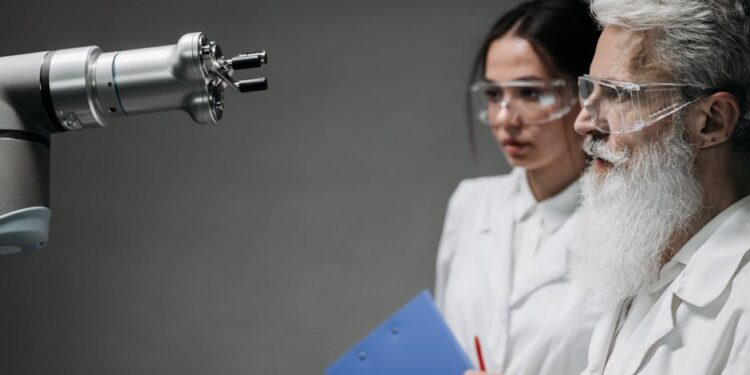
The US Department of Commerce has launched a new initiative to safety test AI models from major tech companies, including Google, Microsoft, and xAI, marking a significant shift in government oversight of AI technologies.

New AI Safety Testing Initiative Announced
The US Department of Commerce has launched an initiative to safety test artificial intelligence (AI) models from major tech companies, including Google, Microsoft, and xAI. This program, part of the Commerce’s Center for AI Standards and Innovation (CAISI), requires these companies to voluntarily submit their AI models for testing prior to public release.
According to the Department of Commerce, the testing will evaluate the capabilities and security of these AI tools. CAISI’s director, Chris Fall, emphasized that these expanded collaborations are crucial for scaling public interest efforts at a critical moment. This initiative represents a significant shift in the government’s approach to AI oversight, moving away from the more lenient policies of previous administrations.
Broader Industry Collaborations
The recent agreements extend beyond those made with companies like OpenAI and Anthropic during the previous administration. The testing will encompass a variety of AI tools, including Google’s Gemini chatbot and Microsoft’s CoPilot. xAI’s Grok, which has faced scrutiny for its controversial features, will also be included in this evaluation process.
Microsoft has stated that while it conducts internal testing of its AI models, collaboration with government agencies is essential for addressing national security and public safety risks. This partnership aims to ensure that AI technologies are safe for widespread use, especially as they become more integrated into critical sectors like defense and healthcare.
Microsoft has stated that while it conducts internal testing of its AI models, collaboration with government agencies is essential for addressing national security and public safety risks.
As reported by CNBC, the US government’s testing initiative will help identify potential risks and vulnerabilities in AI models, potentially preventing incidents that might arise from unchecked deployment.
Impact on AI Development and Regulation
The shift towards rigorous testing of AI models signals a new era of regulation that may reshape the landscape of AI development. This initiative could lead to more stringent guidelines for AI deployment, impacting how companies innovate and release new technologies. Tech firms may need to allocate more resources to compliance and safety measures, which could slow the pace of AI advancements.
Additionally, this increased oversight could influence public perception of AI technologies. As consumers become more aware of the safety measures in place, they may gain more confidence in using AI-driven products. A transparent testing process could alleviate fears surrounding AI misuse and enhance trust in these technologies.

Challenges in Implementing AI Oversight
Despite the positive intentions behind this initiative, implementing effective oversight of AI models presents several challenges. One major concern is the rapid pace of AI development, which can outstrip the government’s ability to regulate effectively. As new technologies emerge, regulators may struggle to keep up with the complexities and nuances of AI systems.
Moreover, there is a risk of inconsistency in how different AI models are evaluated. Each company may have its own methodologies for testing, leading to potential discrepancies in safety assessments. Establishing standardized testing protocols will be crucial to ensure fairness and reliability in evaluations.
You may also like
 Government & Policy
Former Labor Secretary Rob Reich on Sept. Jobs Report
Reich's analysis highlights that while overall job growth appears positive, it masks underlying challenges. Many of the new jobs created are concentrated in lower-wage sectors,…
Read More →One major concern is the rapid pace of AI development, which can outstrip the government’s ability to regulate effectively.
Future of AI Collaboration and Innovation
The collaboration between tech companies and the government could pave the way for a more unified approach to AI development. By working together, they can create standards that promote innovation while prioritizing safety. This partnership may also lead to the establishment of best practices that other countries might adopt, influencing global AI standards.
Sources: CNBC, Forbes, The Hill, New York Post.