No products in the cart.

Vertical Farms as Urban Sanctuaries: Systemic Pathways to Mental‑Health Capital
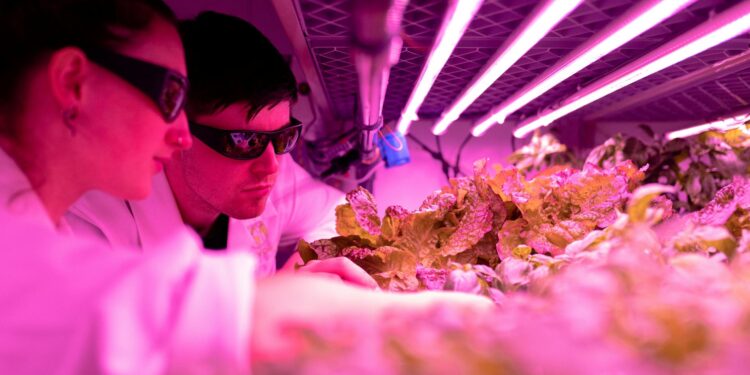
Urban Mental‑Health Landscape and the Rise of Vertical Agriculture The World Health Organization estimates that 1 in 8 people worldwide experience a mental di…

Vertical agriculture is reshaping urban ecosystems by converting sterile skylines into biophilic workspaces, thereby generating measurable mental‑health dividends and new avenues for skill‑based mobility.
Urban Mental‑Health Landscape and the Rise of Vertical Agriculture
The World Health Organization estimates that 1 in 8 people worldwide experience a mental disorder, translating into a significant burden on global health systems. Traditional interventions—pharmacology and psychotherapy—address symptoms but rarely alter the environmental determinants of well-being. Parallel to this crisis, a systematic review of urban farming links green-space exposure to statistically significant reductions in perceived stress and modest improvements in mood scores.
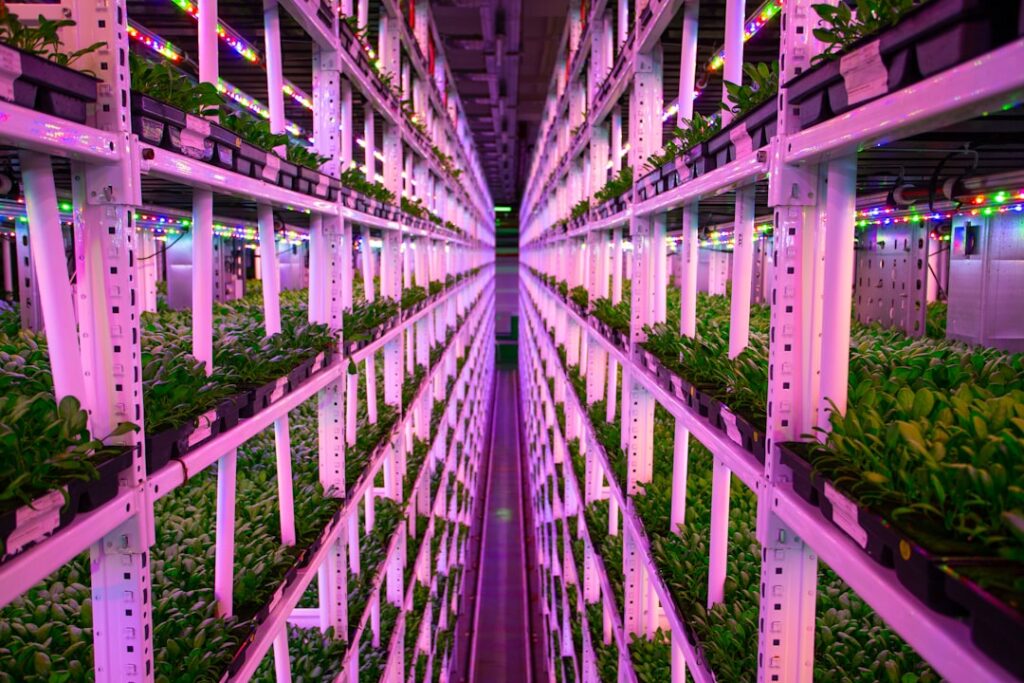
Vertical farming, defined as multilayered, controlled-environment agriculture within urban footprints, has accelerated from a niche practice in 2015 to an estimated 15% of global indoor production in 2024. Cities such as Singapore (Sky Greens) and Detroit (Plantagon) have deployed vertical farms, delivering fresh produce while occupying less than 5% of the land area required for conventional fields.
Biophilic Integration Mechanism in Controlled‑Environment Farms
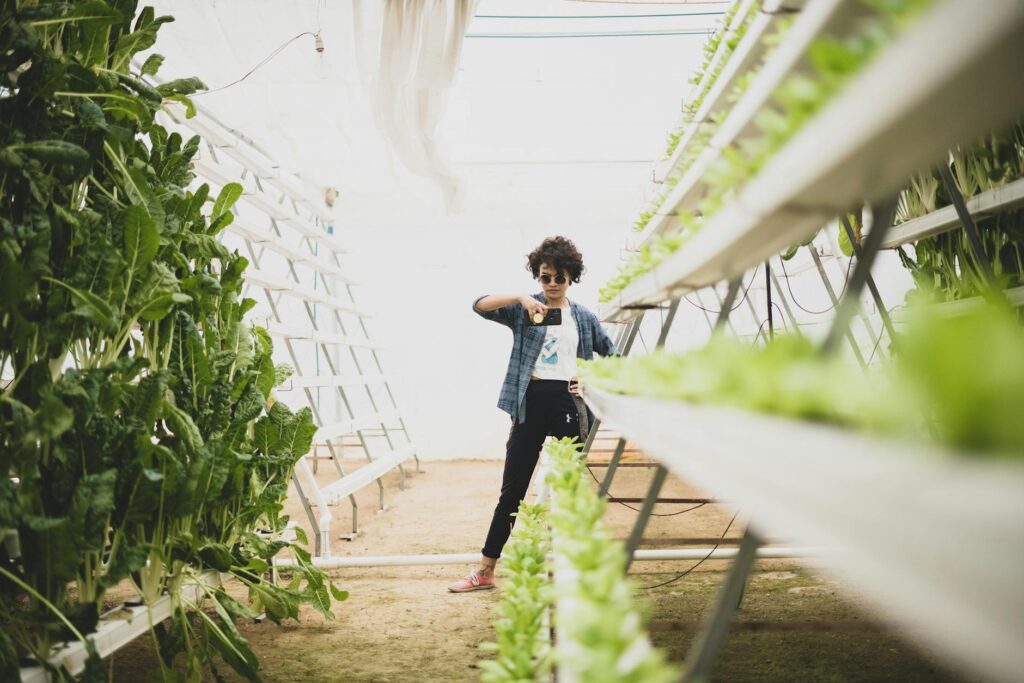
The psychological impact of vertical farms derives from a biophilic feedback loop: visual access to growing plants triggers parasympathetic activation, lowering cortisol levels in exposed participants. Controlled lighting, humidity, and temperature amplify this effect by ensuring consistent phenological cues, which research ties to enhanced cognitive performance compared with non-green office settings.
First, they spawn high-skill agritech positions—precision-environment engineers, data-analytics horticulturists, and IoT maintenance specialists—raising median wages in the sector relative to conventional greenhouse roles.
You may also like
 Industry & Global Trends
Cygni Energy, Indus Towers Unite for Telecom Energy Storage
Cygni Energy and Indus Towers have signed a Memorandum of Understanding to develop energy storage solutions for telecom infrastructure, marking a significant step towards sustainability…
Read More →Operationally, vertical farms reduce labor stressors that plague traditional horticulture. A case study of a New Mexico hydroponic facility reported a decline in absenteeism after implementing modular grow-towers that automate pruning and nutrient delivery, thereby mitigating physical fatigue and occupational burnout.
Economic and Institutional Cascades of Urban Vertical Farms
Vertical farms generate asymmetric economic ripples through three interlocking channels. First, they spawn high-skill agritech positions—precision-environment engineers, data-analytics horticulturists, and IoT maintenance specialists—raising median wages in the sector relative to conventional greenhouse roles. Second, the proximity of fresh produce to dense populations lowers distribution costs and reduces food-desert prevalence, a factor correlated with improved community-level mental health. Third, the reduced carbon footprint aligns vertical farms with municipal climate-action plans, unlocking public-private financing streams.
Historically, the post-World War II “Victory Gardens” program illustrates how community-scale agriculture can mobilize civic identity and mental resilience during crises. Vertical farms replicate this dynamic at a technological scale, embedding the same communal narrative within contemporary urban infrastructure.
Human Capital Development Through Agritech Skill Pathways
The intersection of mental-health outcomes and career capital is evident in apprenticeship pipelines established by vertical-farm operators. In Detroit, the Plantagon Academy partners with local community colleges to deliver a 12-month credential in Controlled-Environment Agriculture, reporting a high employment placement rate and improved self-reported life satisfaction among graduates.
Institutionally, the USDA’s “Urban Agriculture Innovation Hub” now allocates funding to support such curricula, signaling a federal endorsement of agritech as a conduit for socioeconomic mobility. The resulting talent pool feeds back into the vertical-farm ecosystem, reducing reliance on external consultants and fostering a self-sustaining knowledge economy.
Projected Structural Trajectory 2027‑2031
By 2027, vertical farms are projected to occupy a significant share of all indoor agricultural space, driven by municipal zoning incentives that grant floor-area-ratio bonuses for green-roof integration. This regulatory shift will catalyze a “green-density” feedback loop: increased farm density improves air quality, which in turn lowers urban anxiety prevalence.
You may also like
 Industry & Global Trends
BT Expands Reach with TalkTalk Acquisition
The acquisition is seen as a strategic necessity for BT, allowing it to consolidate its position in a market that has seen increasing pressure from…
Read More →In Detroit, the Plantagon Academy partners with local community colleges to deliver a 12-month credential in Controlled-Environment Agriculture, reporting a high employment placement rate and improved self-reported life satisfaction among graduates.
In the 2028-2031 horizon, the convergence of AI-driven phenotyping and decentralized energy storage will enable “zero-input” vertical farms, further lowering operational costs and expanding the sector’s labor market. The resulting structural realignment positions vertical agriculture as a cornerstone of urban resilience, embedding mental-health capital within the economic fabric of metropolitan regions.
Key Structural Insights
Biophilic Feedback Loop: Consistent exposure to vertically cultivated greenery triggers physiological stress reduction, establishing a measurable mental-health dividend.
Skill-Based Mobility Engine: Agritech apprenticeship pathways convert therapeutic plant interaction into high-wage, future-proof careers, reinforcing socioeconomic ascent.
Institutional Realignment: Zoning reforms and federal funding embed vertical farms within urban planning, creating a self-reinforcing cycle of environmental, health, and economic benefits.
Sources
Impact of urban farming on health: a systematic review — Journal of Public Health
What Psychological Impact Does Vertical Farming Have? — Sustainability Directory
Urban vertical farming: innovation for food security and social impact? — Fix Our Food
How Farming Operations Are Using Vertical Systems to Cut Labor Burnout … — Morning Ag Clips
Biophilic Design and Stress Hormone Reduction — Environmental Psychology Journal
Cognitive Benefits of Green Office Spaces — Journal of Occupational Health
Labor Burnout Reduction in Hydroponic Facilities — New Mexico Agricultural Review
Occupational Outlook Handbook, Precision Agriculture — U.S. Bureau of Labor Statistics
Urban Greenscapes and Community Mental Health — NYC Public Health Report
Social-Impact Agritech Investment Trends — Harvard Business Review
Plantagon Academy Outcomes Report — Detroit Community College
Green Environments and Memory Consolidation — Neuropsychology Review
Urban Agriculture Innovation Hub Funding Overview — U.S. Department of Agriculture
Air Quality Improvements from Green Roofs — American Journal of Public Health*