No products in the cart.

Wall Street AI Boom Meets SpaceX Earnings, Jobs Data

The earnings report, scheduled for Tuesday, comes at a time when SpaceX's stock has seen considerable volatility, having fallen nearly 30% from its debut price.

Wall Street is gearing up for a pivotal week as SpaceX prepares to release its first earnings report as a public company, coinciding with the latest US jobs data. These two events are expected to have significant implications for the AI-driven investment landscape. Investors are keenly awaiting indications of how these factors will influence stock performance and market sentiment.
The earnings report, scheduled for Tuesday, comes at a time when SpaceX’s stock has seen considerable volatility, having fallen nearly 30% from its debut price. As the company is heavily involved in AI-related projects, the results will provide insight into whether its substantial investments are yielding expected returns. The upcoming US jobs report will further shape investor sentiment, particularly regarding the health of the broader economy and the impact of AI on job growth.
Impact of SpaceX Earnings on Tech Stock Valuations
SpaceX’s earnings report is crucial not only for its own stock but also for the overall tech market, particularly AI stocks. Analysts are looking for clear indicators of profitability and growth potential, given the company’s ambitious spending plans. According to a report by S&P Global, SpaceX’s capital expenditures are projected to rise significantly, from $48.7 billion this year to $118.4 billion by 2028, raising questions about its long-term financial health. This steep increase in spending reflects SpaceX’s commitment to expanding its capabilities in AI and space technology, but it also raises concerns about sustainability and profitability.
Investors will be particularly focused on the company’s revenue figures and how they compare to expectations. Analysts anticipate an adjusted loss of $0.23 per share and revenue of $6.81 billion. These numbers will be scrutinized for their implications on future investments in AI technologies. If SpaceX can demonstrate a path to profitability despite its heavy spending, it could bolster confidence in AI investments across the board. However, if the results fall short, it may trigger a broader sell-off in AI stocks, as investors reassess the risks associated with high spending and uncertain returns.
Furthermore, the expiration of SpaceX’s lockup period on August 6 poses an additional challenge. As much as 20% of its shares may become available for sale, potentially increasing market pressure. The response to this event could set a precedent for how investors view AI companies with similar spending habits and growth strategies. Analysts from CNBC have pointed out that the market’s reaction to this lockup expiration will be closely monitored, as it could signal broader investor sentiment towards tech stocks in general.
These numbers will be scrutinized for their implications on future investments in AI technologies.
You may also like
 AI & Technology
Amazon Commits Over $1 Billion to Local Data Center Funding
Amazon's recent commitment of over $1 billion to local communities hosting data centers marks a significant shift in corporate responsibility. This initiative promises to boost…
Read More →Career Ahead’s analysis indicates that the outcomes of this earnings report could lead to a recalibration of tech stock valuations. If SpaceX’s performance falls short of expectations, it may trigger a broader sell-off in AI stocks, as investors reassess the risks associated with high spending and uncertain returns. This potential volatility underscores the interconnectedness of the tech sector, where one company’s performance can significantly influence the market’s outlook on AI investments.
US Jobs Data Implications for AI Sector Growth
The upcoming US jobs report is another critical element influencing investor sentiment. Economists predict that about 88,000 jobs were added in July, a modest increase compared to previous months. This data will be pivotal in determining the Federal Reserve’s monetary policy, particularly regarding interest rates. A stronger-than-expected jobs report could lead to concerns about inflation, which might prompt the Fed to maintain or even raise interest rates. Such a scenario could have cascading effects on tech stocks, including those in the AI sector.
If interest rates rise, borrowing costs for companies increase, potentially stifling innovation and investment in AI technologies. Conversely, a weaker jobs report may provide the Fed with the leeway to keep interest rates low, fostering a more favorable environment for tech investments. The relationship between employment growth and AI adoption is complex; while AI may not immediately displace jobs, it is compressing wages in sectors highly exposed to automation. This trend raises concerns about who benefits from AI advancements and how it may affect consumer spending power in the long run.
Moreover, the jobs data is significant for understanding the labor market’s response to AI adoption. Recent studies have shown that while AI is not immediately displacing jobs, it is compressing wages in sectors highly exposed to automation. This trend raises concerns about who benefits from AI advancements and how it may affect consumer spending power in the long run. Career Ahead research finds that the interaction between AI adoption and job growth will be crucial for investors. If the jobs report indicates that AI is beginning to negatively impact wages without displacing jobs, it could lead to a more cautious approach among investors regarding AI stocks.
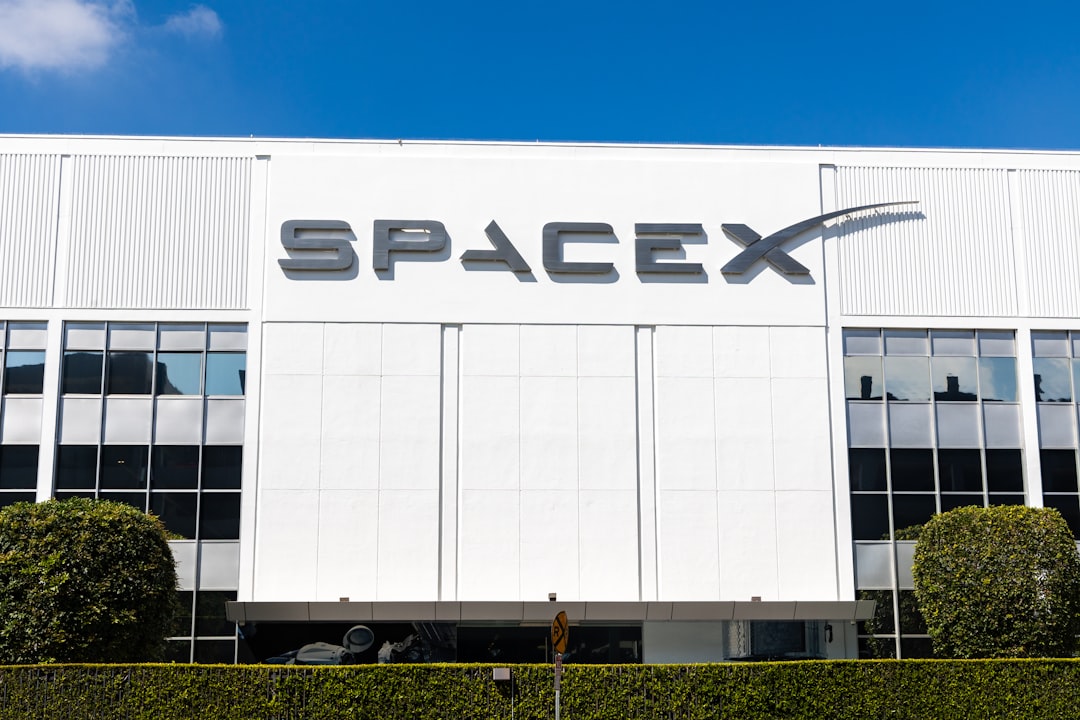
Career Ahead research finds that the interaction between AI adoption and job growth will be crucial for investors.
As the AI boom continues, sentiment among Wall Street analysts appears to be shifting. While initial enthusiasm for AI-driven companies remains high, there is growing skepticism about the sustainability of such valuations in light of rising costs and uncertain returns. A report from CNBC highlights that despite bullish projections from many analysts, caution is becoming more pronounced as investors demand tangible results. Analysts are increasingly focused on metrics like cash flow, return on investment, and overall financial health, rather than just growth potential. This shift reflects a broader trend in the market where speculative investments are being scrutinized more closely.
You may also like
 AI & Technology
Dots get up in Muse’s business
OpenAI's Dots, a new AI assistant, is set to challenge Meta's Muse, promising significant changes in music production and data analytics integration.
Read More →Career Ahead’s findings suggest that the upcoming earnings report and jobs data will serve as critical tests for the AI market. Investors should closely monitor these developments, as they may signal a shift in investment strategies and sentiment towards AI-driven companies. This week will be pivotal for understanding the future of AI investments and the potential volatility that may arise as these key indicators unfold. The outcomes could either reinforce the bullish outlook or lead to a more cautious stance among investors as they navigate the complexities of the AI landscape.
As the market awaits these significant developments, the question remains: Will SpaceX’s earnings report provide the reassurance investors need, or will it amplify concerns about the sustainability of the AI boom?
Frequently Asked Questions
What should financial analysts consider when evaluating AI stocks post-SpaceX earnings?
Financial analysts should closely examine the earnings report for indicators of profitability and growth potential. They should also consider the broader implications of US jobs data on market sentiment and investment strategies.
Financial analysts should closely examine the earnings report for indicators of profitability and growth potential.
How does US jobs data influence tech stock investments?
US jobs data impacts investor sentiment and can influence the Federal Reserve’s monetary policy. Strong job growth may lead to higher interest rates, which could negatively affect tech stock valuations.

What strategies should investors adopt in light of fluctuating AI market conditions?
Investors should remain vigilant and closely monitor earnings reports and economic indicators. Understanding the interplay between AI adoption and labor market trends will be crucial for making informed investment decisions.
You may also like
 AI & Technology
The Powerful Yet Fragile Force Propping Up Stocks and the Economy
AI advancements are reshaping stock market dynamics and investment strategies, presenting both opportunities and challenges for financial professionals.
Read More →