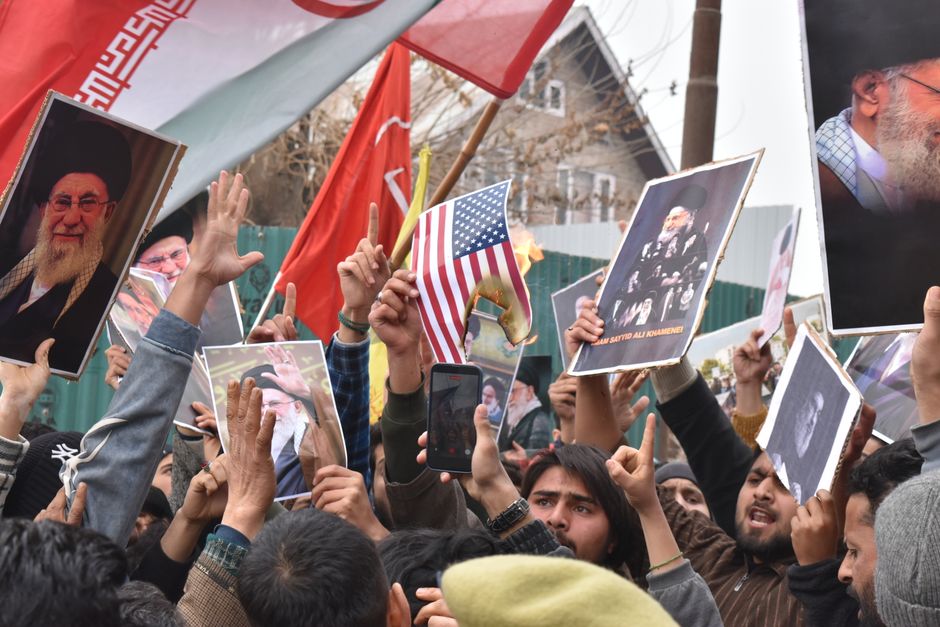
While ultra-hardliners advocate for a total victory in the war, pragmatists within the government, including President Masoud Pezeshkian, are pushing for a negotiated deal with the U.S.
Iran’s leaders present a united front on war strategy, but they disagree on their ultimate goals. This internal conflict affects international relations, especially future negotiations with the United States. Recently, Iran escalated attacks on U.S. bases and allies, marking a critical point in its geopolitical stance.
Ultra-hardliners want total victory in the war. In contrast, pragmatists, including President Masoud Pezeshkian, seek a negotiated deal with the U.S. This division shows the different visions for Iran’s future, as both sides aim to shape the country’s postwar direction.
Internal Divisions: Hardliners vs. Pragmatists
The ultra-hardliners, known as the “Paydari” movement, reject negotiations with the U.S. They advocate for strict Islamic control and see military action as the only way forward. This faction gained support after the funeral of former Supreme Leader Ali Khamenei, where calls for revenge against the U.S. were strong. Reports suggest that their military successes have strengthened their position on governance and foreign policy.
On the other hand, the pragmatic faction, led by Pezeshkian and parliamentary speaker Mohammad Bagher Ghalibaf, views military pressure as a way to reach a favorable settlement. They argue that the economic impact of the war demands a diplomatic approach. This group believes that negotiations could lift sanctions and help restore Iran’s struggling economy. Sources like AP News highlight their calls for economic reforms and a strategic shift to prevent further economic decline.
Career Ahead’s analysis shows that this internal struggle is about more than war strategy. It reveals deeper ideological divides within Iran’s ruling class. The tensions between factions could lead to significant changes in Iran’s foreign policy, affecting relationships with regional and global powers. The Supreme National Security Council’s recent support for a ceasefire with the U.S. shows some consensus among leaders. However, the ceasefire’s failure, due to escalating strikes and unmet financial promises, has reignited debates over Iran’s strategic direction. Hardliners have used this failure to rally public support against any compromise, complicating the situation further.
U.S. stocks rose following a weak jobs report that tempered expectations for Federal Reserve interest rate hikes. This shift in market sentiment is crucial for…
Career Ahead’s analysis shows that this internal struggle is about more than war strategy.
As both factions vie for power, the uncertainty surrounding the new Supreme Leader, Ayatollah Mojtaba Khamenei, adds complexity. His views on negotiations and military actions will greatly influence Iran’s future and its international relations. Analysts are closely watching how Khamenei will handle these internal divisions, especially with external pressures from the U.S. and its allies.
Implications for International Relations and Regional Dynamics
The ongoing divisions within Iran’s leadership have serious implications for international relations, especially regarding negotiations with the U.S. and its allies. The hardline faction’s refusal to negotiate could increase tensions and prolong conflict, destabilizing the region. As noted by Yahoo News, the risk of military escalation remains high, especially if hardliners frame the narrative around national pride and resistance to foreign intervention.
Career Ahead research shows that the current geopolitical climate is unstable. The potential for conflict escalation could impact global oil markets. Iran controls the Strait of Hormuz, a key route for oil shipments. Any military action there could disrupt global oil supply, causing significant economic repercussions worldwide. The ongoing conflict has already led to fluctuations in oil prices as markets respond to news from the region. Additionally, internal divisions may hinder Iran’s ability to present a united strategy in international forums. Political analysts must consider how these dynamics could affect future negotiations and the potential for a diplomatic resolution. The power struggle within Iran’s leadership may limit its effectiveness in engaging with foreign governments.
As the situation evolves, observers should monitor how internal conflicts within Iran’s leadership shape its foreign policy. The balance of power between hardliners and pragmatists will be crucial in determining whether Iran chooses confrontation or diplomatic engagement. The stakes are high, as the outcome of this struggle could redefine Iran’s future and the geopolitical landscape of the Middle East.
In light of these developments, it remains uncertain how the leadership’s internal divisions will impact Iran’s long-term strategy and relationships with key international players. This struggle’s outcome could reshape Iran’s future and the geopolitical landscape of the Middle East. Firstpost highlights that the ideological rift within the leadership may lead to a fragmented foreign policy, complicating Iran’s global interactions.
Anup Bagchi, with over three decades in financial services, is set to lead HDFC Bank starting October 27, 2026, following the retirement of Sashidhar Jagdishan.
In light of these developments, it remains uncertain how the leadership’s internal divisions will impact Iran’s long-term strategy and relationships with key international players.
Frequently Asked Questions
What are the key goals of Iran’s leadership regarding the current war?
The key goals of Iran’s leadership regarding the current war are divided. Ultra-hardliners seek total military victory, while pragmatists favor negotiating a deal with the United States. This internal conflict reflects broader ideological divides within the ruling class.
How might Iran’s internal divisions affect its foreign policy?
Iran’s internal divisions could significantly impact its foreign policy. They may complicate coherent negotiations with other countries. The hardline faction’s resistance to compromise may lead to heightened tensions and prolonged conflict.
What should political analysts consider when assessing Iran’s geopolitical strategies?
Political analysts should consider the ongoing power struggle between hardliners and pragmatists within Iran’s leadership. This dynamic will influence the country’s approach to international relations and its potential for diplomatic engagement.




News
 News
News