No products in the cart.

WestJet Settles Flight Attendants’ Harassment Case
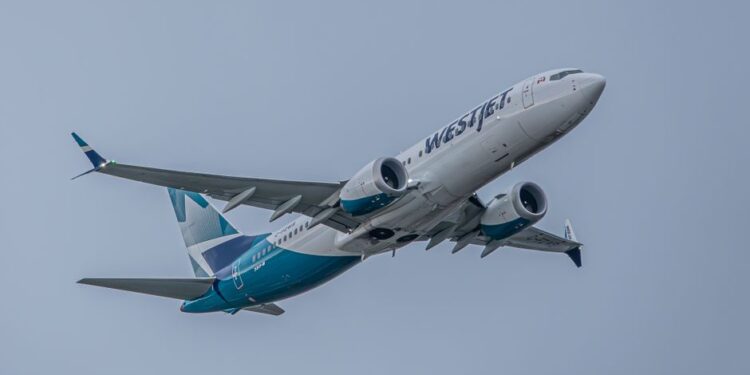
WestJet Airlines has agreed to pay C$4.5 million to settle a class action lawsuit filed by female flight attendants alleging sexual harassment and unsafe workplace conditions.

WestJet Airlines in Canada has agreed to pay C$4.5 million to settle a class action lawsuit. This lawsuit was filed by female flight attendants who alleged sexual harassment and unsafe workplace conditions. A British Columbia judge approved the settlement after years of claims that WestJet did not provide a safe working environment, especially regarding harassment and assault.
The lawsuit was started by Mandalena Lewis, a former flight attendant. She claimed that a pilot sexually assaulted her and a colleague. Lewis said that after reporting the incident, WestJet allowed the pilot to keep working, putting other employees at risk. The settlement will benefit 3,452 flight attendants involved in the class action, with payouts distributed after legal fees are deducted.
Implications for Workplace Policies in the Airline Industry
This WestJet settlement may change workplace policies in the airline industry. The agreement requires WestJet to hire a third party to investigate workplace harassment and reporting systems. This shows a growing recognition of the need for accountability and transparency in handling harassment claims, which is crucial in an industry often criticized for its approach to these issues.
Career Ahead’s analysis shows that this case highlights a trend towards legal accountability for workplace harassment in airlines. As more cases arise, airlines may need to implement stronger training programs and reporting systems to protect employees. The settlement addresses the immediate concerns of the flight attendants involved and sets a precedent for other airlines to follow.
Additionally, the settlement reflects a growing awareness among employees about their rights and the need for a safe workplace. A 2018 survey by the US Association of Flight Attendants found that 68% of flight attendants reported experiencing sexual harassment, but only 7% reported these incidents to employers. This gap shows the need for airlines to create a culture where employees feel safe and supported in reporting harassment. The WestJet case reminds us that silence can lead to a toxic work environment.
Additionally, the settlement reflects a growing awareness among employees about their rights and the need for a safe workplace.
As the airline industry changes, it may face more scrutiny from employees and the public regarding harassment claims. The WestJet case could inspire flight attendants at other airlines to take similar actions, possibly leading to more class action lawsuits aimed at improving workplace safety. According to The Guardian, this case has already gained significant attention, prompting discussions about the systemic issues flight attendants face and the urgent need for reform.
You may also like
 News
NewsIndia’s Government School Enrollment Falls by 15 Million, Share Drops Below Half
Government schools in India lost 15 million students and saw their enrollment share fall below half, prompting concerns over access and quality.
Read More →Impact on Flight Attendants’ Rights and Protections
The settlement provides financial compensation and emphasizes the importance of protecting flight attendants’ rights. The allegations from Lewis and her colleagues reveal systemic issues in WestJet’s handling of harassment claims, raising questions about existing policies. While the settlement does not require anti-harassment training for pilots, it highlights the need for airlines to take proactive measures to ensure employee safety.
Flight attendants work closely with pilots and passengers, making them vulnerable to harassment. This settlement may encourage other airlines to review their policies and implement stricter measures to prevent harassment. Possible actions include mandatory training for all employees, improved reporting systems, and a commitment to taking complaints seriously. The financial implications of the settlement may also motivate airlines to invest in better training and support systems to avoid similar legal challenges.
Moreover, the outcome of this lawsuit may empower flight attendants to speak out against harassment without fear of retaliation. Lewis’s firing for “gross insubordination” after reporting her assault raises concerns about how employees are treated when they come forward with complaints. The settlement could inspire other flight attendants to advocate for their rights and demand safer working conditions. As noted by Cabincrew24, the airline industry must create an environment where employees feel secure in voicing their concerns.
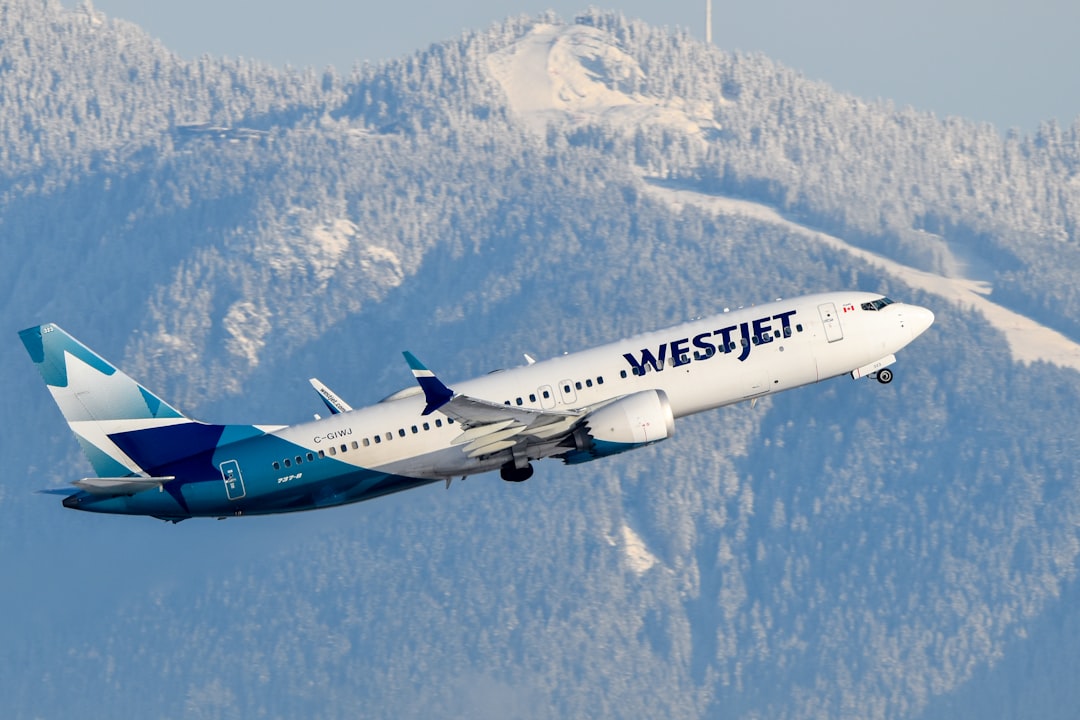
As the conversation around workplace harassment evolves, flight attendants may lead a movement advocating for stronger protections and accountability in the airline industry. The WestJet case reminds us that employees deserve a safe working environment and that companies must be held accountable. Increased scrutiny and legal action could lead to significant changes in how the airline industry addresses workplace harassment.
The WestJet case reminds us that employees deserve a safe working environment and that companies must be held accountable.
Looking ahead, it is crucial to see how WestJet and other airlines respond to the settlement and whether they make meaningful changes to their policies. The potential for increased scrutiny and legal action could lead to a significant shift in the airline industry’s approach to workplace harassment.
You may also like
 News
NewsSwedish AI Platform Lovable Secures $400 Million Series C Funding, Valuation Reaches $13.3 Billion
The financing lifts the company’s post-money valuation to approximately €11.4 billion and earmarks capital for platform upgrades, infrastructure expansion, and global talent acquisition.
Read More →The implications of the WestJet settlement go beyond the airline itself. As the industry deals with ongoing harassment and employee safety issues, this case could influence regulatory changes and industry standards. The settlement shows the need for airlines to comply with existing laws and proactively create safer environments for employees.
Career Ahead’s research indicates that the airline industry is at a critical point, where public pressure and legal accountability are forcing companies to rethink their practices. The WestJet case has gained national attention, highlighting the vulnerabilities of flight attendants and the need for systemic change in how harassment is handled. Furthermore, the settlement may encourage lawmakers to consider stricter regulations on workplace harassment in the airline sector. As awareness of harassment grows, there may be calls for legislation requiring comprehensive training and robust reporting mechanisms for all airlines in Canada.
In conclusion, the WestJet settlement is a significant milestone for flight attendants and the airline industry. It underscores the importance of holding companies accountable for their treatment of employees and may lead to future legal actions aimed at improving workplace safety standards. The airline industry is at a critical moment where change is urgently needed. How other airlines respond to this settlement could shape future workplace policies and protections for flight attendants across the sector.
Frequently Asked Questions
What should flight attendants do if they experience harassment?
Flight attendants who experience harassment should report it to their employer and seek support from their union. Career Ahead emphasizes the need for a clear reporting system to ensure complaints are taken seriously and addressed quickly.
Career Ahead’s findings indicate that proactive measures can significantly reduce harassment and improve workplace conditions for flight attendants.
How does this settlement affect future harassment claims in airlines?
This settlement sets a precedent for future harassment claims in the airline industry by highlighting the need for accountability and transparency. Career Ahead’s research suggests it may encourage other flight attendants to share their experiences, knowing legal action can lead to significant results.

What are the best practices for airlines to prevent harassment?
You may also like
 News
NewsFed Rate Hold Predictions
This decision is particularly relevant as it reflects the Fed's response to current economic indicators. Analysts are keenly watching CPI, which has shown moderate growth,…
Read More →Airlines should implement comprehensive training programs for all employees, establish clear reporting mechanisms, and foster a culture of safety and respect. Career Ahead’s findings indicate that proactive measures can significantly reduce harassment and improve workplace conditions for flight attendants.