No products in the cart.

Why Southern African Schools Must Adapt to Rising Temperatures
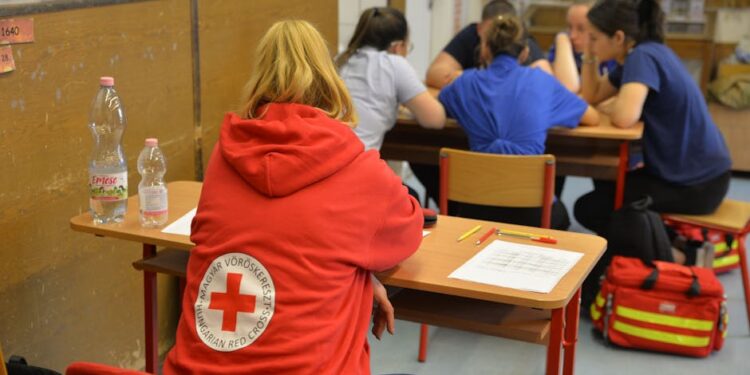
Rising temperatures in southern Africa are creating dangerous classroom conditions for children, impacting their health and learning. Urgent adaptation strategies are needed in schools to address this crisis.

Southern Africa is facing a growing crisis as classroom temperatures rise due to climate change. Research indicates that many schools are becoming dangerously hot, adversely affecting children’s health and learning, particularly in poorer communities. This situation calls for urgent attention from educators and school administrators.
A recent study by the South African Medical Research Council and the University of Johannesburg revealed alarming classroom conditions, with indoor temperatures exceeding 40°C in some rural areas. Such extreme heat hampers students’ ability to concentrate and learn effectively. The Economic Times reports that inadequate infrastructure and resources exacerbate the situation, especially in impoverished areas where classrooms lack basic ventilation and cooling systems.
Heat’s Impact on Learning and Health
Research shows that high temperatures can significantly impair children’s cognitive functions. The human brain operates best within a specific temperature range, and excessive heat can diminish attention spans and memory retention. A study conducted in Johannesburg found that nearly all students struggled to focus in hot classrooms. Furthermore, absenteeism increased when indoor temperatures rose above 25°C, highlighting the connection between heat and school attendance. The Economic Times emphasizes that this issue is not merely uncomfortable; it poses a serious threat to educational success and mental health.
Students’ physical health is also at risk. Extreme heat can lead to dehydration, heat stress, and other health problems. Children with conditions like asthma face heightened risks when temperatures soar. The lack of ventilation and access to drinking water exacerbates these challenges, particularly in overcrowded classrooms. A report from The Conversation underscores that without cooling measures, schools can contribute to long-term health issues, negatively impacting children’s development and academic performance.
Teachers are not immune to the effects of heat either. High temperatures can induce fatigue and diminish teaching effectiveness. When educators struggle to maintain focus, the learning environment deteriorates, creating a cycle where both students and teachers are affected by the same stressors. The Conversation points out that teaching in such conditions can lead to burnout among educators, further compromising the quality of education.
When educators struggle to maintain focus, the learning environment deteriorates, creating a cycle where both students and teachers are affected by the same stressors.
You may also like
 Education & University Insights
Cornell President Calls Rape Inquiry ‘Defining Moment’ for Campus | Career Outlook
Cornell University's president, Michael Kotlikoff, has labeled the ongoing rape inquiry a 'defining moment' for the institution, emphasizing the need for significant changes in campus…
Read More →Addressing these issues is crucial for both immediate educational outcomes and the long-term health of children in southern Africa. As climate change intensifies, effective solutions are urgently needed. The disparities in classroom conditions between urban and rural schools exacerbate educational inequalities. Urban schools typically maintain stable temperatures, while rural classrooms often become heat traps, underscoring the need for targeted interventions to tackle the specific challenges faced by schools in different environments.
Strategies for Creating Cooler Learning Environments
Schools can implement several strategies to mitigate the effects of heat. Improved building designs that enhance ventilation and airflow are essential. Installing cool roofing materials and utilizing shade from trees can help lower indoor temperatures. Additionally, schools should prioritize access to drinking water to keep students hydrated. The Economic Times notes that simple architectural changes can significantly improve classroom conditions for learning.
Simple interventions, such as rearranging classroom layouts to improve airflow, can make a substantial difference. Educators can adapt their teaching methods to include more outdoor learning during cooler parts of the day. This not only helps students stay comfortable but also enriches their learning experiences. Schools can also collaborate with local organizations to implement community-driven solutions for heat-related challenges.
Governments and education departments must consider heat in their planning and development. New schools should be designed with climate resilience in mind, incorporating features that protect students from extreme temperatures. Existing schools should be upgraded to improve thermal performance. The Conversation emphasizes that proactive measures, including investment in climate-resilient infrastructure, are vital for safeguarding education in the region.
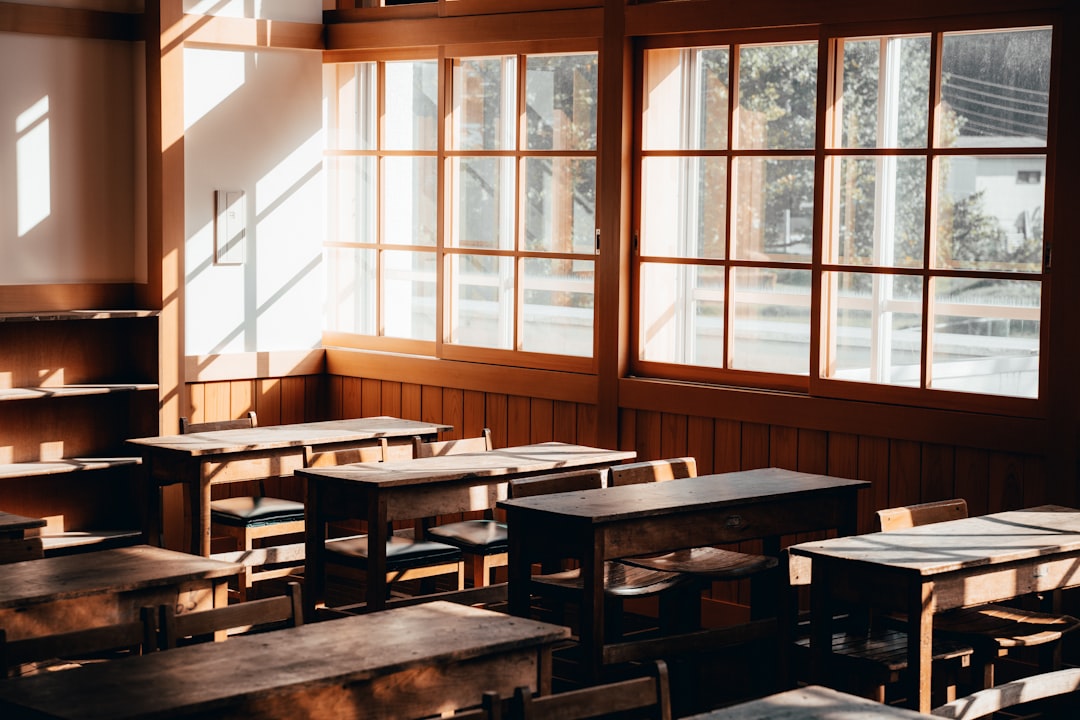
Training for teachers and staff on recognizing heat-related illnesses and implementing heat-health plans is crucial. Schools should develop heat-health warning systems for timely communication during extreme weather. Engaging students in climate adaptation planning is also important, as their experiences with climate change can lead to more effective solutions. Involving students in discussions about their learning environments fosters ownership and responsibility for climate resilience.
Governments and education departments must consider heat in their planning and development.
Urgency of Action in Southern Africa’s Educational Landscape
You may also like
 Education & University Insights
Ambedkar University Updates PhD Fellowship Guidelines
Ambedkar University has revised its PhD fellowship guidelines, easing attendance requirements following significant student protests. The changes reflect a growing trend in higher education where…
Read More →As schools in southern Africa confront these challenges, the need for action is urgent. The educational system must adapt to ensure that children can learn and thrive in a changing climate. Rising temperatures affect not just individual classrooms but the entire educational landscape in southern Africa. Schools that fail to adapt may witness declining student performance and increased dropout rates, which could have long-term repercussions on the region’s workforce and economic stability.
Policymakers must acknowledge the link between climate change and education. Investments in climate-resilient infrastructure and training for educators are essential for a sustainable future for students. The education sector must proactively address these challenges, ensuring that all children receive a quality education, regardless of their socioeconomic status. As southern Africa moves forward, the pressing question remains: how will schools adapt to these growing challenges? The urgency of the situation calls for innovative solutions and collaboration among educators, policymakers, and communities to create a learning environment that safeguards children’s health and learning in a hotter world.
Frequently Asked Questions
What are effective strategies for teaching in hot classrooms?
Effective strategies include improving ventilation, using cool roofing materials, and ensuring access to drinking water. Additionally, rearranging classroom layouts to enhance airflow and adapting teaching schedules to cooler times of the day can significantly benefit student learning.
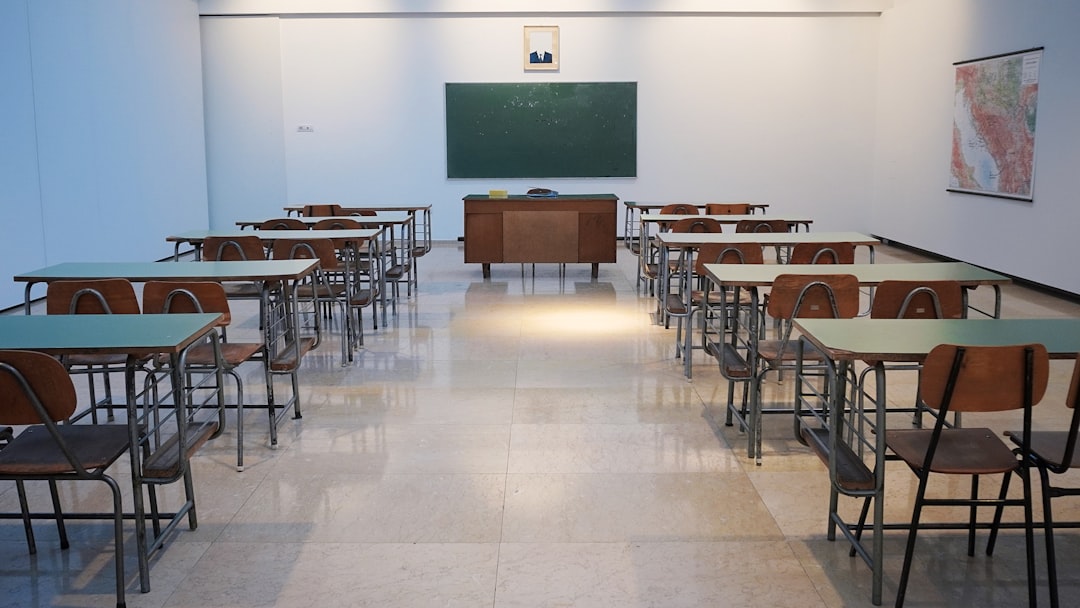
Additionally, rearranging classroom layouts to enhance airflow and adapting teaching schedules to cooler times of the day can significantly benefit student learning.
How does heat affect student learning and health?
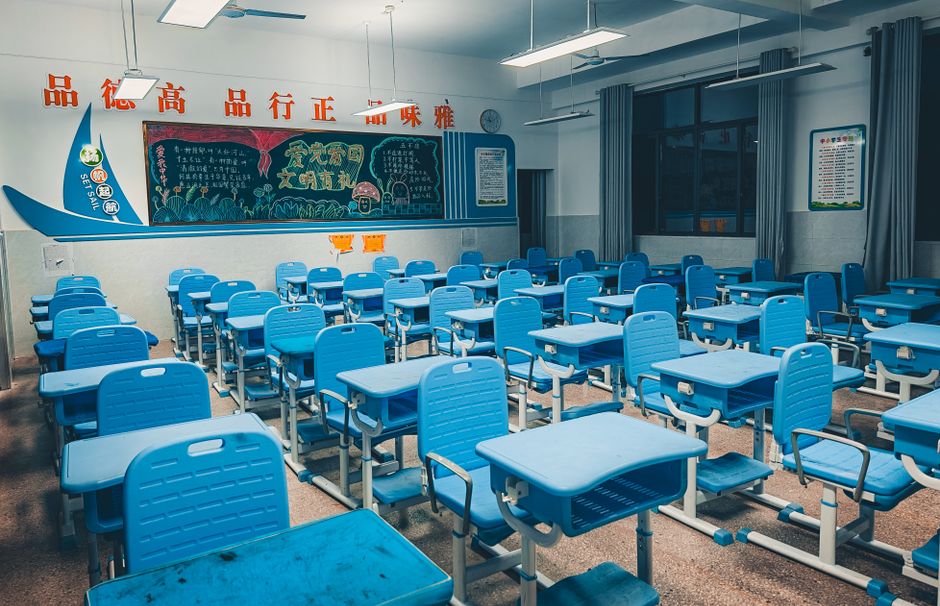
Heat negatively impacts both student learning and health. High temperatures can lead to reduced concentration, memory retention, and increased absenteeism. Children exposed to extreme heat may suffer from dehydration and heat stress, especially in poorly ventilated classrooms.
What should educators do to support students in extreme heat conditions?
Educators should implement heat-health plans and ensure classrooms are designed to minimize heat exposure. Training for teachers on recognizing signs of heat-related illness and developing flexible schedules during heatwaves can help support students’ well-being and learning.
You may also like
 Education & University Insights
Cornell University Faces Nightlife Challenges Amid Recent Turmoil
Cornell University is grappling with a decline in student nightlife and social engagement following serious allegations on campus. This shift not only affects student life…
Read More →