ZEISS Group is leveraging India's challenging operating conditions as a global test lab for innovative optical technologies. CEO Andreas Pecher emphasizes the potential of local engineering talent and collaboration with institutions like IIT Madras to drive advancements in harsh-environment optics.
ZEISS Group is strategically utilizing India’s challenging operating conditions as a global test lab for innovative optical technologies. The company, renowned for its high-precision optical systems, has established a significant presence in India, particularly through its Chennai facility, which serves as a research and development hub. This center aims to integrate with ZEISS’s global innovation network, focusing on developing optical systems capable of withstanding extreme environments.
Andreas Pecher, President and CEO of ZEISS Group, highlighted that India’s unique challenges—such as high humidity, intense heat, dust, and power fluctuations—provide an ideal real-world testing ground. These conditions are particularly beneficial for technologies aimed at demanding sectors like aerospace and heavy manufacturing. By leveraging these harsh environments, ZEISS aims to create robust solutions that can be deployed globally. A report by The Hindu indicates that this strategy enables ZEISS to refine its products to meet the needs of industries facing similar challenges worldwide.
Innovative Manufacturing Techniques Tailored for Local Conditions
ZEISS’s approach in India emphasizes innovative manufacturing techniques that are specifically designed to thrive in local conditions. The company is developing harsh-environment optics, which are essential for industrial quality assurance and manufacturing inspection. These optical systems are engineered to perform reliably in extreme conditions, making them suitable for a variety of applications. The Economic Times notes that this focus enhances product reliability and positions ZEISS as a leader in a niche market.
Furthermore, the emphasis on frugal engineering—creating efficient solutions without compromising performance—can significantly boost ZEISS’s competitive edge. By rethinking product designs and cost structures, ZEISS is not only meeting local demands but also preparing for global market needs. The Chennai innovation hub, launched at the IIT Madras Research Park, is set to connect academic research with commercial applications. This facility will foster collaboration between ZEISS experts, IIT Madras faculty, and startups, facilitating the development of advanced technologies in robotics, fluid dynamics, and optics.
As ZEISS incorporates local engineering talent, the potential for innovation expands. India’s workforce is adept at solving complex problems with limited resources, aligning perfectly with ZEISS’s objectives of developing high-performance technologies for challenging environments. The collaboration between local talent and advanced technology development is expected to lead to significant advancements in optical systems, further enhancing ZEISS’s global reputation.
The return to pre-war export levels is crucial as it indicates a stabilization in the oil market. Producers and shipping industries have adapted by employing…
This facility will foster collaboration between ZEISS experts, IIT Madras faculty, and startups, facilitating the development of advanced technologies in robotics, fluid dynamics, and optics.
Collaborative Strategies to Overcome Market Challenges
ZEISS’s strategy in India underscores the importance of collaboration in addressing market challenges. By partnering with local institutions such as IIT Madras, ZEISS taps into local expertise and cultivates an ecosystem that encourages innovation. This collaborative model could serve as a blueprint for other companies aiming to thrive in similar environments. The integration of academic research with practical applications creates a rapid feedback loop, essential for refining technology in real-time.
Research indicates that ZEISS’s co-innovation model facilitates quick prototyping and testing of new technologies. This approach minimizes risks in product development while enhancing the likelihood of successful commercialization. Consequently, ZEISS can swiftly adapt its offerings to meet the evolving needs of both local and global markets. Additionally, this model promotes knowledge transfer between academia and industry, ensuring that the latest research translates into market-ready solutions.
Moreover, focusing on locally relevant yet globally applicable technologies positions ZEISS to capture new customer segments in emerging markets. This strategy not only strengthens ZEISS’s market presence but also supports the growth of the Indian manufacturing sector. Successful technologies developed through this collaboration are expected to feed into ZEISS’s global product development pipeline, ensuring that innovations born from India’s challenges can benefit markets worldwide.
Setting a Precedent for Future Innovations
As ZEISS expands its operations in India, its focus on resilience and innovation may influence other companies in the optics and technology sectors. Adapting to local conditions while maintaining a global perspective is crucial for manufacturing engineers and business managers. ZEISS’s strategy sets a precedent for other companies seeking to innovate and grow in emerging markets, potentially inspiring a new wave of manufacturing practices that prioritize adaptability and local relevance.
Looking ahead, ZEISS’s success in India may encourage other multinational companies to explore similar strategies. The potential for local innovation to enhance global competitiveness is vast. As more firms recognize this, we may witness a shift in how global manufacturing networks are structured, leading to a more interconnected global economy where local challenges are viewed as opportunities for innovation rather than obstacles.
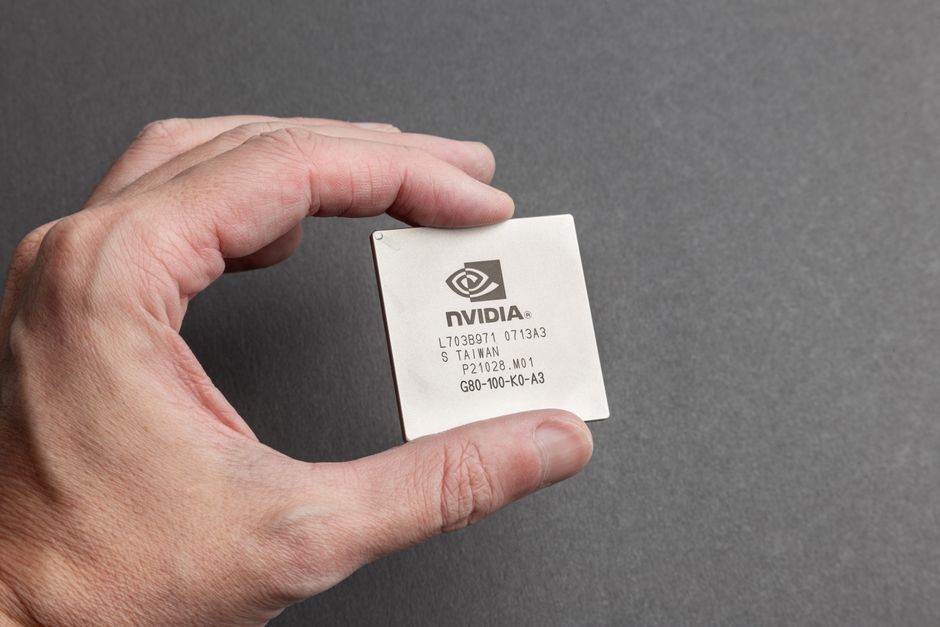
A US national has been charged with illegally exporting Nvidia chips to China, raising significant compliance and legal concerns in the semiconductor industry.
Successful technologies developed through this collaboration are expected to feed into ZEISS’s global product development pipeline, ensuring that innovations born from India’s challenges can benefit markets worldwide.
Frequently Asked Questions
What innovative manufacturing techniques is ZEISS using in India?
ZEISS is focusing on harsh-environment optics designed to perform reliably in extreme conditions. This approach is crucial for applications in industrial quality assurance and manufacturing inspection.
How can business development managers collaborate with ZEISS in India?
Business development managers can engage with ZEISS through partnerships at the Chennai innovation hub, which connects local startups and academic institutions with ZEISS’s global operations.
What strategies should manufacturing engineers adopt to succeed in tough markets?
Manufacturing engineers should focus on frugal engineering and innovative design practices that allow for adaptability to local conditions while maintaining high performance standards.




Industry & Global Trends

 Industry & Global Trends