No products in the cart.

Legal Setbacks for Trump Administration Favor Offshore Wind Projects
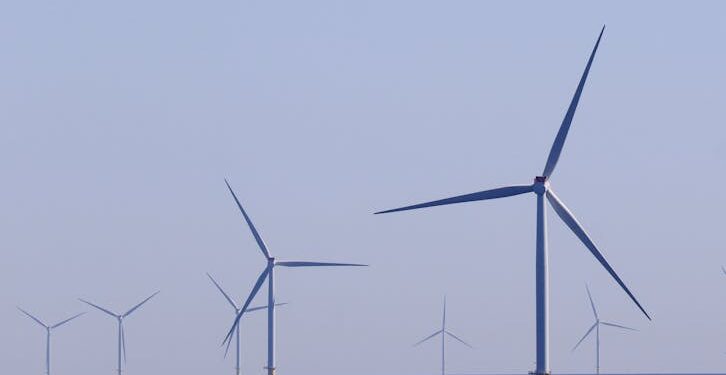
Legal challenges against the Trump administration are allowing offshore wind projects to move forward, promising a cleaner energy future for the East Coast.

Providence, Rhode Island — Recent legal setbacks faced by the Trump administration are proving beneficial for offshore wind energy projects along the East Coast. These setbacks allow construction to resume on several offshore wind farms, which are crucial for the region’s energy future. The Department of the Interior had previously halted work on five projects, totaling 6 gigawatts of generating capacity, citing national security concerns. However, judicial orders have now lifted these restrictions, allowing developers to move forward with their plans.
The halted projects include Revolution Wind off Rhode Island, Empire Wind off New York, and Coastal Virginia Offshore Wind. Each of these projects is expected to contribute significantly to the region’s energy supply, particularly as the demand for renewable energy continues to rise. The judicial rulings come after developers filed lawsuits against the government, arguing that the stop-work orders were arbitrary and lacked sufficient justification.
U.S. District Judge Carl Nichols, a Trump appointee, expressed skepticism towards the government’s reasoning. He pointed out that the administration failed to adequately address the concerns raised by Equinor, the developer of Empire Wind, in their lawsuit. This lack of attention to critical arguments has raised questions about the validity of the government’s position regarding national security and its implications for renewable energy development.
Impact of Legal Rulings on Offshore Wind Development
The recent legal decisions are a significant win for offshore wind energy, which is increasingly viewed as a vital component of the U.S. energy landscape. The East Coast has the potential to deliver up to 110 gigawatts of offshore wind power by 2050, according to a Department of Energy study published in 2024. This capacity could help alleviate some of the highest electricity costs in the nation, particularly in densely populated urban areas.
This lack of attention to critical arguments has raised questions about the validity of the government’s position regarding national security and its implications for renewable energy development.
As the nation grapples with rising electricity prices and the need for cleaner energy sources, offshore wind presents a viable solution. The Mid-Atlantic region, in particular, has seen its grid operator face scrutiny over increasing electricity costs. Offshore wind farms, being one of the cheapest forms of new generating capacity, could help stabilize and potentially lower energy prices for consumers.
You may also like
 AI & Technology
The Digital Shadow Self: Structural Impacts on Career Capital and Institutional Power
The article argues that algorithmic visibility has become a structural credential, reshaping career capital, economic mobility, and institutional power, while emerging governance models aim to…
Read More →Moreover, these projects are not just about energy production; they also represent a significant economic opportunity. The construction and operation of offshore wind farms can create thousands of jobs, from manufacturing to installation and maintenance. As the legal barriers begin to fall, the potential for job creation in the renewable energy sector becomes increasingly tangible.
Positioning Yourself in the Growing Renewable Energy Sector
For those looking to enter or advance in the renewable energy sector, particularly in offshore wind, there are several actionable steps you can take:
- Expand your skill set: Consider taking courses related to renewable energy technologies, project management, or environmental science. Online platforms like Coursera or edX offer relevant programs that can enhance your qualifications.
- Network within the industry: Attend industry conferences or local meetups focused on renewable energy. Building connections with professionals in the field can provide valuable insights and job opportunities.
- Stay informed about policies: Follow developments in energy policy and legal rulings that affect the renewable sector. Understanding the regulatory landscape can give you an edge in your job search and career advancement.
- Consider internships or volunteer opportunities: Gaining hands-on experience through internships or volunteer work with organizations focused on renewable energy can be a great way to build your resume and make industry connections.
However, some experts caution that while these legal victories are encouraging, they may not lead to immediate large-scale implementation. Critics argue that the long approval processes and potential for future regulatory changes could still hinder progress in offshore wind development. As noted by environmental policy analysts, a balanced approach to energy transition is essential to ensure that both economic and environmental goals are met.
Future Prospects for Offshore Wind Energy
The future of offshore wind energy in the United States looks promising, especially with the recent legal victories against the Trump administration. As more projects gain approval and move forward, we can expect to see a significant expansion of renewable energy capacity along the East Coast. This shift not only aligns with national goals for reducing carbon emissions but also addresses the urgent need for energy security and price stability.
Expand your skill set: Consider taking courses related to renewable energy technologies, project management, or environmental science.
You may also like
 Government & Policy
New Solar Farms to Transform Energy Landscape After Record Auction
More solar farms are set to emerge after a record renewables auction, potentially transforming the energy landscape and creating thousands of jobs.
Read More →With the potential for offshore wind to generate up to 13,500 terawatt-hours of electricity annually, the implications for the U.S. energy landscape are profound. As the country moves towards a more sustainable future, the question remains: how will policymakers balance the need for rapid renewable energy deployment with the complexities of existing infrastructure and regulatory frameworks?