No products in the cart.

AI-Generated Aesthetics Transform Human Culture
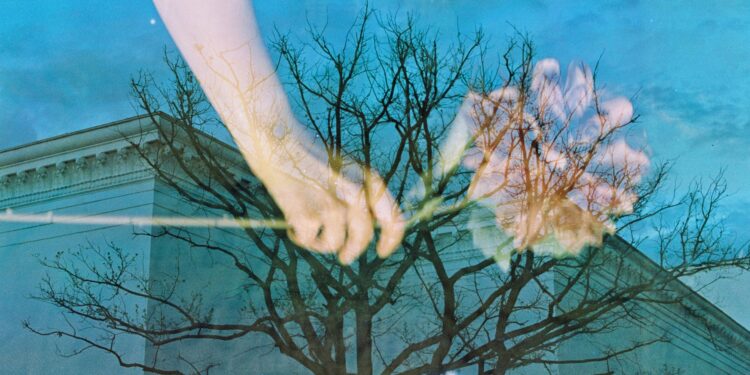
AI models now dictate aesthetic standards, reshaping cultural values and challenging traditional notions of authorship and bias.

AI models now shape what we call beautiful, forcing culture to renegotiate authorship, bias, and the very meaning of art.
When Algorithms Set the Standard of Beauty
AI systems produce images that win awards, sell for a significant amount, and dominate social feeds. The paradox is that the most celebrated works often lack a human hand. Machines learn from a large number of pixels, then remix patterns faster than any curator can trace. The result is a visual language that feels familiar yet alien.
Human critics scramble to label the style. Some call it “hyper‑real,” others “post‑digital.” The labels matter less than the effect: audiences begin to trust algorithmic judgment. A photo generated by a diffusion model can be chosen for a gallery because the model’s internal loss function predicts a high aesthetic score. The loss function becomes an invisible curator.
Our view is that this shift erodes the traditional gatekeeping role of human curators. When a model predicts “beauty” with statistical confidence, the human eye becomes a secondary validator. The cultural conversation moves from “who created this?” to “what does the algorithm think?”
Bias Embedded in Synthetic Aesthetics
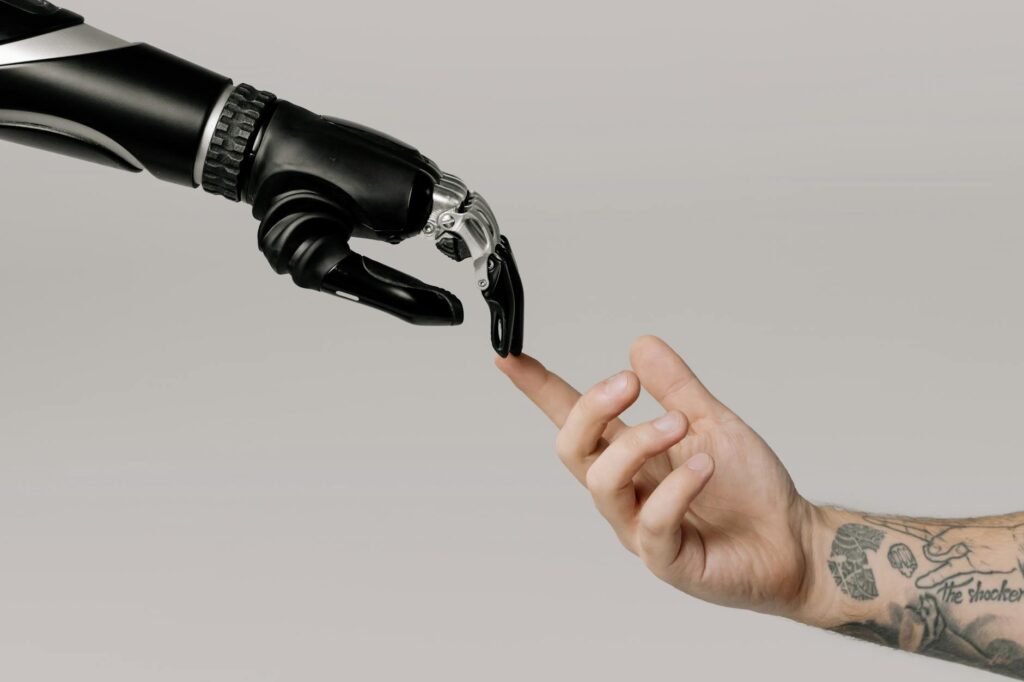
Algorithms inherit the data they train on. If the training set over‑represents Western portraiture, the model will favor those compositions. This is not a neutral technical flaw; it is an aesthetic bias that reproduces existing power structures.
Our view is that this shift erodes the traditional gatekeeping role of human curators.
As AI generates content that mimics human voice, it can obscure its origins. In visual terms, the same opacity hides bias. Research has shown that AI models systematically privilege certain aesthetically pleasing patterns, leading to a narrow definition of beauty.
When a model consistently rewards pastel palettes and symmetrical forms, artists who explore discordant or culturally specific motifs find their work undervalued. The bias is self‑reinforcing: popular AI‑generated styles flood platforms, teaching new creators to emulate them. Over time, the cultural canon skews toward the algorithm’s preferences.
Cultural Value Shift: From Authorship to Experience
You may also like
 AI & Technology
Data‑Driven Tactics Transform Raise Negotiations
BLS data show average annual wage growth of 3% since 2015, yet a 2023 Glassdoor survey found 37% of workers never negotiate, forfeiting that incremental…
Read More →The notion of authorship has always been central to art. With AI, the author becomes a distributed network of code, data, and prompts. The cultural value attached to a piece now hinges on the experience it delivers, not on the identity of its maker.
We have observed that audiences increasingly judge works by emotional resonance, regardless of provenance. A AI‑composed symphony can move listeners as deeply as a human‑written concerto. The shift mirrors the rise of experience‑driven consumption in other sectors.
We have observed that audiences increasingly judge works by emotional resonance, regardless of provenance.
This reorientation challenges legal and ethical frameworks. Copyright law assumes a human author; AI‑generated content blurs that line. Moreover, cultural institutions must decide whether to exhibit works that lack a singular creator. The decision itself becomes a statement about what society values: originality or impact.
Designing Inclusive Aesthetic Machines
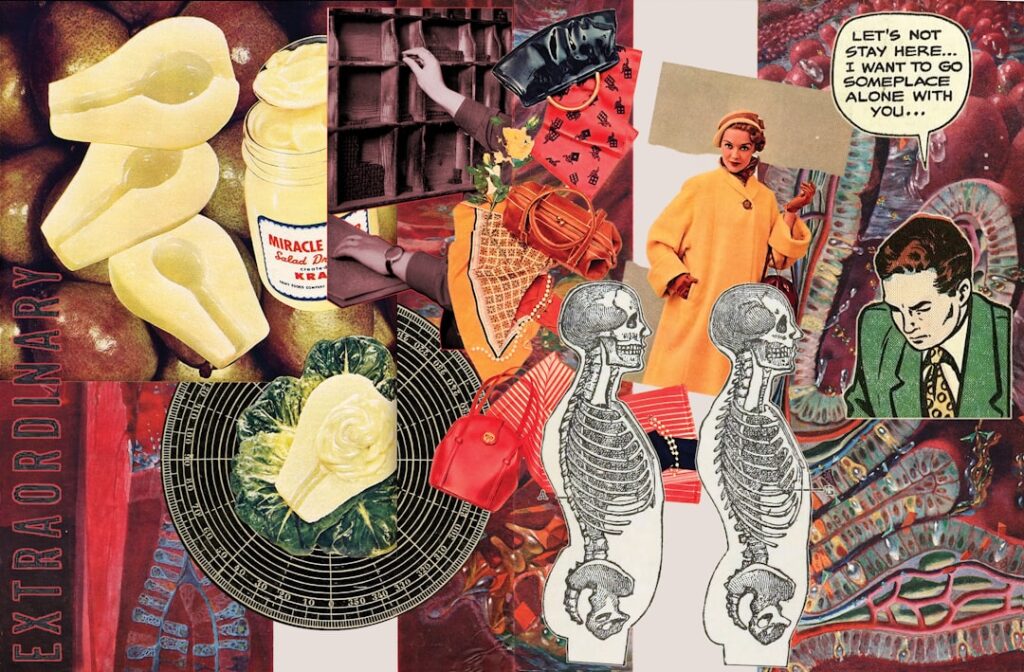
If AI is to expand, not contract, cultural horizons, designers must embed diversity into the training loop. One approach is to curate multi‑regional datasets that reflect a broader spectrum of visual traditions. Another is to introduce “counter‑bias” loss terms that penalize over‑representation of any single style.
Our analysis suggests that transparent metrics are essential. When developers publish the composition of their training corpora, the community can audit for gaps. Open‑source tools that allow artists to tweak aesthetic parameters democratize the creative process.
Finally, education must evolve. Creators should learn to interrogate algorithmic suggestions, not accept them blindly. By treating AI as a collaborator rather than a judge, artists can harness its generative power while preserving cultural specificity.
The aesthetic frontier is not a zero‑sum game. Machines can surface patterns humans have missed, while humans can guide machines toward ethical, inclusive visions. The balance will determine whether AI enriches cultural values or homogenizes taste.
You may also like
 AI & Technology
Musk Partners with Pentagon on AI Warfare Initiative
This initiative is part of a broader effort by the U.S. military to integrate cutting-edge technologies into its operations.
Read More →Creators should learn to interrogate algorithmic suggestions, not accept them blindly.
The rise of AI‑generated aesthetics forces us to rethink beauty, bias, and authorship. It is a cultural crossroads where technology and taste intersect, and the direction we choose will shape the art of tomorrow.