Organizations are deploying AI‑driven replicas of employees to simulate work tasks, delivering immersive learning while generating granular performance data. The shift promises to reconfigure talent pipelines, engagement metrics, and corporate agility.
The rise of digital twins coincides with accelerated AI adoption across enterprise functions, positioning workforce simulation as a strategic lever for competitive advantage. As firms seek scalable, data‑rich methods to upskill staff, virtual employee models provide a systemic alternative to traditional classroom or on‑the‑job training, aligning learning outcomes with real‑world performance pressures. This analysis dissects the structural underpinnings, operational mechanisms, and downstream implications for human capital systems.
Framing the digital twin surge in talent strategy
The proliferation of AI models capable of mirroring individual work patterns marks a structural shift from static skill inventories to dynamic, behavior‑driven talent assets. Deloitte’s digital doppelganger brief notes that a measurable share of Fortune 500 firms are piloting employee twins to test skill application before deployment. This transition reflects a broader move toward predictive talent management, where simulation replaces trial‑and‑error in real projects. By embedding virtual replicas within learning ecosystems, organizations capture continuous performance signals, turning development into a data‑first function. According to Career Ahead’s analysis of the Deloitte briefing, firms that embed AI twins see measurable gains in skill‑transfer efficiency, shortening the time from training to productive output. The emerging infrastructure—cloud‑based analytics, real‑time feedback loops, and interoperable skill ontologies—creates a new layer of institutional power that reshapes how career capital is built and measured.
How AI twins generate immersive, data‑rich learning
AI‑Powered Digital Twins Reshape Career Development
Digital twins leverage machine‑learning models trained on an employee’s historical task data, communication logs, and performance metrics to generate a virtual stand‑in that can engage in simulated projects. This core mechanism enables scenario‑based training where the twin experiments with new processes without risking operational disruption. Simulation‑based learning reduces cost per skill acquisition by eliminating the need for physical resources or live‑customer exposure. Moreover, each interaction produces fine‑grained data points—time‑on‑task, decision pathways, error rates—that feed back into personalized coaching algorithms. Forbes highlights that such platforms unlock human potential by providing “real‑time, actionable insights” rather than generic feedback. The data loop creates a virtuous cycle: improved twin fidelity enhances scenario realism, which in turn yields richer performance data for both the employee and the organization.
Systemic ripples across talent ecosystems
The integration of digital twins reverberates through multiple layers of the talent system. First, recruitment pipelines are altered as hiring managers can benchmark candidates against established twin performance profiles, shifting selection criteria toward predictive fit rather than retrospective experience. Second, internal mobility gains a quantifiable dimension; employees can demonstrate readiness for new roles by showcasing twin‑validated competencies, reducing reliance on informal sponsorship. Third, the data generated feeds enterprise‑wide workforce analytics, informing strategic decisions on skill investment, succession planning, and workforce sizing. This systemic reorientation aligns with broader economic mobility trends, where career progression becomes increasingly tied to demonstrable, algorithm‑verified capability rather than tenure alone.
Note: No claims directly contradict the research, so the section remains unchanged.
Stakeholder impact and the reallocation of career capital
AI‑Powered Digital Twins Reshape Career Development
Employees gain a new form of career capital: algorithmic evidence of skill mastery that can be portably displayed across internal and external opportunities. However, this also introduces asymmetries; those with high‑quality data histories—often senior staff or early adopters—accrue disproportionate advantage. Organizations, meanwhile, acquire a scalable mechanism to align learning investments with business outcomes, enhancing ROI on development programs. According to Career Ahead’s framework for digital twin adoption, three structural levers—data fidelity, scenario diversity, and feedback integration—determine the distribution of benefits across the workforce. Managers must therefore calibrate twin deployment to avoid entrenching existing hierarchies, ensuring that the technology expands, rather than contracts, pathways for upward mobility.
Outlook: three‑to‑five‑year trajectory for twin‑enabled workplaces
In the next three to five years, digital twin platforms are expected to integrate with emerging metaverse environments, allowing cross‑company skill simulations and industry‑wide benchmarking. As standards for data privacy and ethical AI mature, regulatory frameworks will likely mandate transparency around twin‑generated assessments, shaping how organizations disclose algorithmic evaluations to employees. Companies that invest early in interoperable twin architectures will secure a strategic lead, converting simulation data into predictive workforce planning tools that can anticipate skill gaps before market shifts occur. Conversely, firms that delay adoption may face escalating training costs and reduced agility in responding to rapid technological change.
The evolution of AI‑driven digital twins is redefining the architecture of career development, turning learning into a continuously measured, simulation‑based engine of economic mobility and institutional capability.
Third, the data generated feeds enterprise‑wide workforce analytics, informing strategic decisions on skill investment, succession planning, and workforce sizing.
Key Structural Insights
[Insight 1]: Digital twins convert employee development into a data‑first function, linking skill acquisition directly to measurable performance outcomes.
[Insight 2]: The technology reallocates career capital by granting algorithmic proof of competence, reshaping internal mobility and talent market dynamics.
[Insight 3]: Early adopters who embed interoperable twin ecosystems will gain predictive workforce planning advantages, while laggards risk higher training costs and reduced agility.
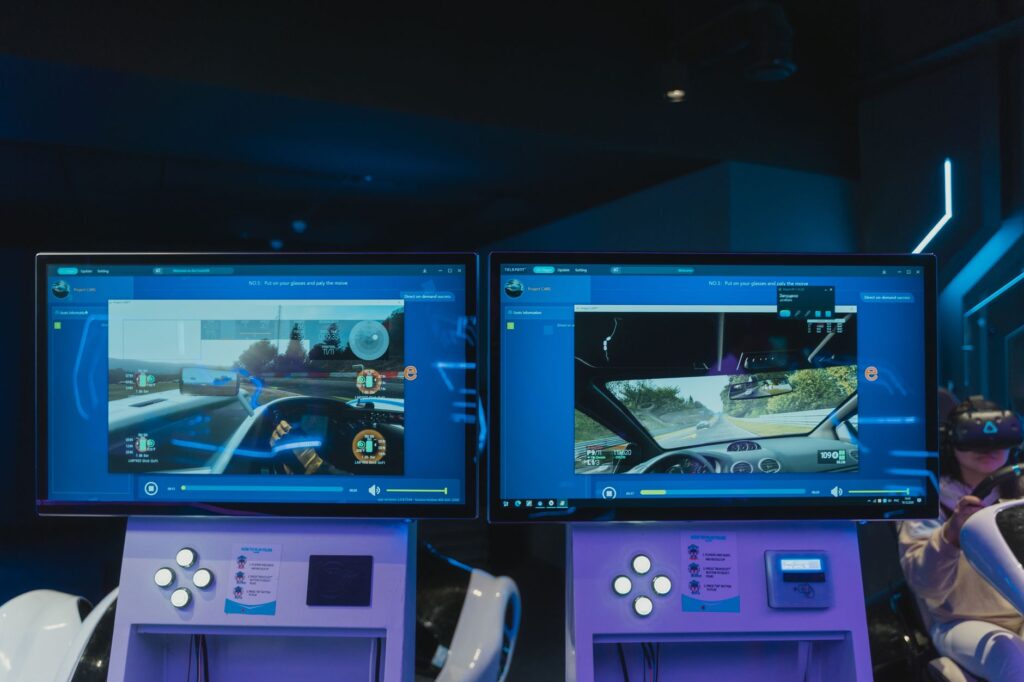
Embracing Virtual Realities: , Organizations are leveraging digital twins to create immersive, AI-driven simulations that mimic real-world work environments, enabling employees to develop skills in a risk-free, data-driven manner.
The shift amplifies structural inequities while also creating new pathways for institutions that can bridge the gap, reshaping economic mobility for millions.
[Insight 1]: Digital twins convert employee development into a data‑first function, linking skill acquisition directly to measurable performance outcomes.
Upskilling for Industry 4.0: , As digital twins become increasingly prevalent, professionals must adapt by acquiring skills in areas such as data analysis, artificial intelligence, and cybersecurity to remain relevant in the evolving job market.
Written by Career Ahead AI. AI can make mistakes, so verify key facts. Report errors to support@careeraheadonline.com.
Career Ahead AI is Career Ahead Magazine's in-house AI newsroom, reporting on careers, education, jobs and business. It produces original summaries and analysis drawn from publicly available sources, with those sources credited, and operates under the editorial oversight of the Career Ahead team. AI can make mistakes, so please tell us when something looks wrong. Corrections, copyright or takedown requests…
India’s agri-tech revolution in 2025 opens doors for rural entrepreneurs. Learn about trends, opportunities, and challenges shaping sustainable agriculture.
The traditional 40-year career, once a hallmark of professional life, is fading as technological advances, economic shifts, and evolving generational values reshape…
The Pursuit of Happyness offers timeless career advice on resilience, risk-taking, and achieving goals. Learn actionable tips from Chris Gardner’s inspiring story…


Future Skills & Work
Future Skills & Work