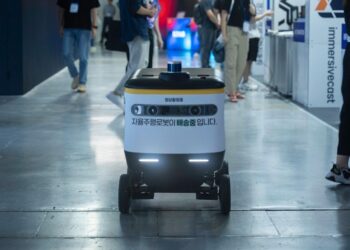
This article explores the transformative impact of AI on work and skills in Europe, highlighting the need for reskilling and the changing nature of job roles.
Across Europe, artificial intelligence (AI) is drastically reshaping the workforce landscape. This transformation is not merely about automation; it is about redefining how work is performed and what skills are valued. As businesses integrate AI technologies, the nature of jobs evolves, requiring a shift in skills and competencies. According to McKinsey, up to 45% of jobs in Europe could be automated by the early 2030s, necessitating a significant reskilling effort.
The integration of AI into various sectors enhances productivity but also raises questions about job security. Many workers fear that AI will replace their roles entirely. However, studies suggest that while AI may displace certain jobs, it will also create new opportunities. The challenge lies in ensuring that the workforce is prepared to transition into these new roles.
Adapting to New Skill Requirements
As AI technologies advance, the skills required in the workplace are changing. Traditional skills are being supplemented with digital literacy, data analysis, and AI management competencies. According to the World Economic Forum, by 2025, 85 million jobs may be displaced by a shift in labor between humans and machines, but 97 million new roles could emerge that are more suited to the new division of labor.
Workers will need to adapt to this evolving skills landscape. The demand for soft skills such as emotional intelligence, creativity, and problem-solving is increasing. These skills are essential for roles that AI cannot easily replicate. As a result, educational institutions and businesses must work together to provide training that meets these new demands.
As a result, educational institutions and businesses must work together to provide training that meets these new demands.
Policy Initiatives and Economic Disparities
The European Union is aware of the implications of AI on the workforce and has begun to implement policies aimed at facilitating this transition. Initiatives such as the Digital Europe Programme focus on enhancing digital skills across the continent. Additionally, the EU’s AI Act aims to regulate AI technologies while promoting their safe use in various sectors.
Economic disparities within Europe complicate the implementation of these policies. Regions with a strong technological base are better positioned to leverage AI, while others lag behind. This divide can exacerbate unemployment and underemployment in less developed areas. Addressing these disparities is crucial for a balanced economic recovery as AI continues to evolve.
Contradictions in the AI Debate
The debate surrounding AI’s impact on jobs is fraught with contradictions. On one hand, advocates argue that AI will lead to greater efficiency and job creation. On the other hand, critics warn of significant job losses and the potential for increased inequality. Many workers feel unprepared for the changes that AI brings, leading to anxiety and resistance to new technologies.
Moreover, there is a discussion about the pace of change. Some experts believe that the rapid integration of AI could outstrip the ability of educational and training institutions to keep up. This disconnect could leave a significant portion of the workforce unprepared for the future job market. Balancing innovation with adequate training and support remains a critical challenge.
Marico has increased its stake in Satiya Nutraceuticals to 84.09%, a strategic move expected to enhance revenue growth amid rising consumer demand for health-focused products.…
This disconnect could leave a significant portion of the workforce unprepared for the future job market.
Preparing for a Collaborative Future
The future of work in Europe will likely be characterized by a hybrid model where humans and AI collaborate. This partnership can lead to enhanced productivity and innovation. However, for this vision to materialize, significant investment in education and training is necessary. Companies must prioritize reskilling their workforce to ensure that employees can thrive alongside AI technologies.
Furthermore, public policy must evolve to support this transition. Governments should incentivize businesses to invest in employee training and development. By fostering an environment that encourages lifelong learning, Europe can better prepare its workforce for the challenges and opportunities that AI presents.





Entrepreneurship & Business