No products in the cart.

Cyber Defense Must Evolve with AI Threats | Career Outlook

AI is reshaping the cybersecurity landscape. Organizations must adapt their defenses to counter increasingly sophisticated threats. This article explores the urgent need for evolution in cyber defense strategies.

AI’s Impact on Cybersecurity
The rise of artificial intelligence (AI) has fundamentally changed the landscape of cybersecurity. As AI technologies advance, so do the tactics used by cybercriminals. Organizations face increasingly sophisticated threats that are faster and more efficient than ever before. Traditional cybersecurity measures are no longer sufficient to protect sensitive data.
Cyber threats now leverage AI to automate attacks, making them harder to detect. For instance, AI can analyze vast amounts of data to identify vulnerabilities in systems quickly, allowing attackers to exploit weaknesses before organizations can respond. This urgency compels businesses to evolve their cybersecurity strategies.
Organizations must integrate AI-driven tools into their security measures to detect anomalies in real-time, providing a crucial advantage in the fight against cyber threats. Companies that fail to adapt risk falling victim to breaches that could have devastating financial and reputational consequences.
Adopting AI-Driven Strategies
The complexity of modern cyber threats necessitates the adoption of AI-driven cybersecurity strategies. Integrating AI into cybersecurity systems allows for continuous monitoring and rapid response to threats. This proactive approach is essential in a landscape where threats evolve at lightning speed.
AI enhances threat detection by analyzing patterns in user behavior and system activity, helping identify potential breaches before they occur. Additionally, AI can automate responses to certain types of threats, reducing the burden on cybersecurity teams and allowing human resources to focus on more complex issues that require critical thinking.
Organizations investing in AI-driven cybersecurity are better positioned to protect their assets. The integration of AI not only improves security but also enhances operational efficiency, leading to significant cost savings in the long run.
Additionally, AI can automate responses to certain types of threats, reducing the burden on cybersecurity teams and allowing human resources to focus on more complex issues that require critical thinking.
Global Challenges and Regulatory Considerations
You may also like
 Entrepreneurship & Business
Nscale Hires Meta’s Justin Osofsky to Be COO Ahead of IPO
Nscale has appointed Justin Osofsky as COO, leveraging his extensive experience from Meta to enhance operational efficiency ahead of its IPO. This strategic hiring reflects…
Read More →The global nature of cyber threats necessitates a coordinated response. Organizations across different regions face similar challenges, but responses can vary significantly. Countries with advanced technological infrastructures may adopt more sophisticated AI tools, while others may lag behind due to resource constraints, creating vulnerabilities that cybercriminals exploit.
Regulatory frameworks play a crucial role in shaping how organizations approach cybersecurity. Governments worldwide are beginning to recognize the importance of robust cybersecurity measures. For instance, the European Union’s General Data Protection Regulation (GDPR) has set a precedent for data protection standards, requiring organizations to implement advanced security measures, including AI-driven solutions.
As the Pentagon explores new cyber risk management approaches, the emphasis on speed and continuous monitoring reflects a broader trend in national security. Governments are increasingly aware that cyber threats can undermine national security, prompting investments in advanced cybersecurity technologies that protect both government and private sector assets.

Ethical Considerations and Challenges
Despite the clear need for AI-driven cybersecurity strategies, debates persist regarding the effectiveness and ethical implications of using AI in this domain. Some experts argue that while AI can enhance security, it also introduces new vulnerabilities. If AI systems are not properly secured, they can become targets themselves, leading to potential breaches.
Ethical Considerations and Challenges Despite the clear need for AI-driven cybersecurity strategies, debates persist regarding the effectiveness and ethical implications of using AI in this domain.
Concerns also arise about over-reliance on AI for decision-making in cybersecurity. Critics argue that this may lead to complacency among human operators, resulting in slower responses to emerging threats that require human intuition and judgment. Balancing AI capabilities with human oversight remains a critical challenge.
Furthermore, ethical questions about privacy and surveillance emerge, particularly when AI systems monitor user behavior. Organizations must navigate these considerations while implementing AI solutions, ensuring they do not infringe on individual rights.
Preparing for an AI-Driven Future
You may also like
 Entrepreneurship & Business
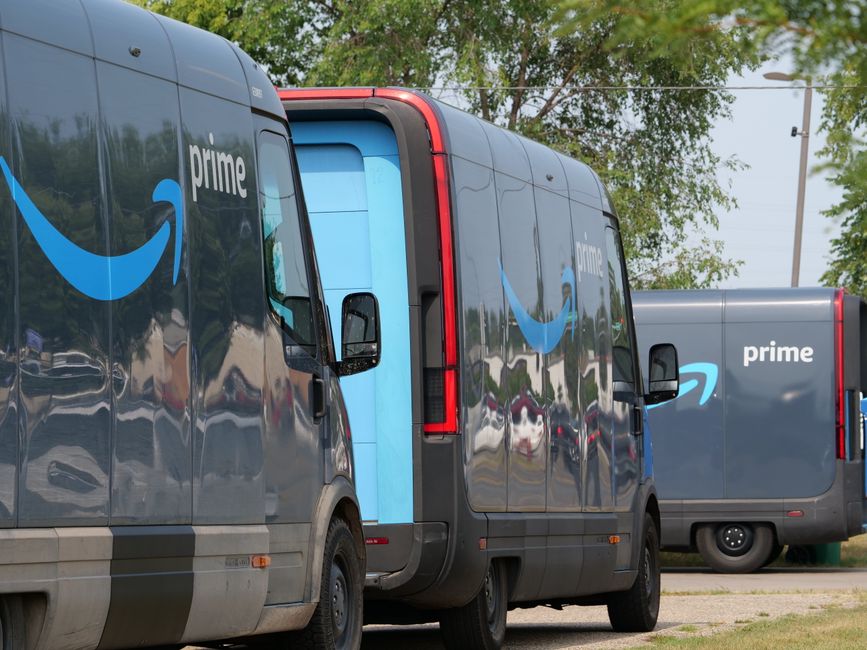
Amazon Launches Ultra-Fast Delivery in 120+ Indian Cities
Amazon has expanded its ultra-fast delivery service, Amazon Now, to over 120 cities in India, doubling its reach in just two weeks. This growth signifies…
Read More →The future of cybersecurity is intertwined with the evolution of AI. As cyber threats continue to advance, organizations must prioritize integrating AI into their security frameworks. This proactive approach will enhance defenses and prepare them for a landscape where AI-driven attacks become the norm.
Investment in AI technologies is crucial for organizations aiming to stay ahead of cyber threats. Companies that embrace AI may gain a competitive edge, responding more effectively to incidents and minimizing potential damage. This shift towards AI-driven cybersecurity may also create new job opportunities in tech and cybersecurity fields, as businesses seek skilled professionals to manage these advanced systems.

Collaboration between the public and private sectors is essential in shaping a secure digital future. Governments can provide guidance and resources to help organizations implement effective AI-driven strategies, fostering innovation while ensuring cybersecurity measures align with regulatory standards.
Career Opportunities in Cybersecurity As the demand for AI-driven cybersecurity solutions grows, so does the need for skilled professionals in this field.
Career Opportunities in Cybersecurity
As the demand for AI-driven cybersecurity solutions grows, so does the need for skilled professionals in this field. Individuals pursuing careers in cybersecurity should focus on developing expertise in AI technologies and data analysis, as understanding how to leverage AI tools will be a significant asset in the job market.
As organizations increasingly prioritize cybersecurity, job opportunities are likely to expand. Roles may evolve to include positions focusing on AI integration and data protection, with professionals in these positions playing a critical role in safeguarding organizations against evolving threats.
The integration of AI into cybersecurity is not just a trend; it is a necessity. Organizations must adapt their strategies to protect their assets effectively, shaping the future of careers in cybersecurity and creating new opportunities for those ready to embrace these changes.
You may also like
 Entrepreneurship & Business
Last Chance to Apply for a Side Event at Founder Summit 2026
The Founder Summit will take place from November 1 to November 7, 2026. It will gather key figures in the tech community, including founders, investors,…
Read More →