No products in the cart.

Anthropic’s Hardware Shift Reshapes Chip Engineering Jobs
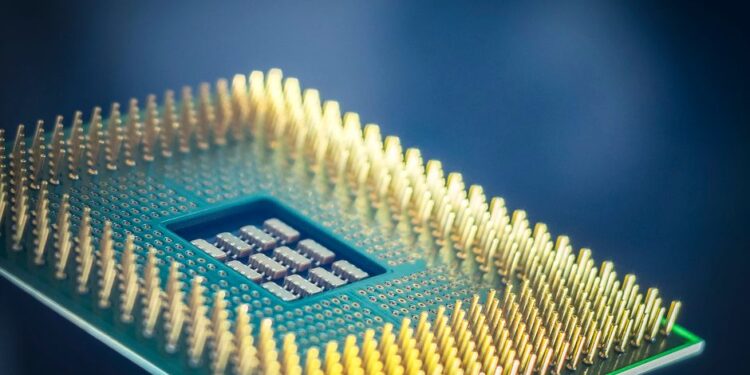
Anthropic's recent hiring of a top chip expert marks a significant shift in its strategy towards developing custom AI chips, reflecting a broader trend in the AI industry that emphasizes the importance of specialized hardware for performance and efficiency. This shift is expected to create a growing demand for hardware engineers and chip design specialists across the national and global semiconductor landscape.

Anthropic has made news by hiring a top chip expert from Google. This change, announced on August 21, 2026, shows a big shift in the company’s strategy towards hardware. The goal is to improve Anthropic’s ability to create custom AI chips. This move will reduce its reliance on major suppliers like NVIDIA.
Bringing in this Google chip expert is more than just a new hire. It highlights a growing trend in the AI industry. Companies are realizing how important specialized hardware is for the performance and efficiency of AI applications. This trend will likely impact hardware engineers and chip design specialists significantly.
The Growing Demand for Hardware Engineers in AI
The need for hardware engineers is changing fast. AI companies like Anthropic are investing in their own hardware solutions. According to Career Ahead’s analysis, this trend will create a demand for hardware engineers skilled in chip design and development. As AI applications grow more complex, the need for custom hardware solutions will increase.
For example, Anthropic’s move to develop custom AI chips will require workers skilled in semiconductor design and fabrication. This shift will likely lead to more job postings for hardware engineers, especially those experienced in AI-focused chip design. Companies will seek engineers who can connect software and hardware, making this a vital area for new professionals.
Additionally, as AI firms aim to innovate and stand out, the demand for engineers who can design chips for specific AI tasks will grow. Reports from the semiconductor industry show a rising skills gap in specialized chip design for AI. A Bloomberg report states that the semiconductor industry is transforming as companies prioritize AI capabilities. This change will further increase the need for skilled engineers in this field.
Understanding the unique needs of AI workloads is essential.
You may also like
 Industry & Global Trends
Etched fields funding offers at $40B+ valuation, sources say
Etched Fields is in talks for funding offers valuing the company at over $40 billion, reflecting a significant shift in the funding landscape for AI…
Read More →In conclusion, hardware engineers wanting to enter the AI space should focus on gaining experience in custom chip design. Understanding the unique needs of AI workloads is essential. As AI algorithms become more complex, hardware capabilities must evolve. This is an exciting time for engineers in the field. Companies like Anthropic are pushing the limits of AI, and the need for innovative hardware solutions will keep growing.
Opportunities for Chip Design Specialists
Chip design specialists will also benefit from Anthropic’s hardware push. As companies like Anthropic develop custom chips, the need for skilled designers will rise. Career Ahead’s research shows that chip design roles will become more specialized. These roles will focus on optimizing chips for AI applications instead of general-purpose computing.
This shift offers a unique chance for chip design specialists to align their skills with AI sector demands. For instance, engineers who can design chips that enhance energy efficiency or processing speed for AI tasks will be in high demand. As AI systems need more computational power, creating efficient, high-performance chips will be a key skill.
Moreover, partnerships between AI firms and semiconductor manufacturers are expected to grow. These collaborations will improve AI hardware capabilities and create new job opportunities for chip design specialists. As companies aim to use advanced manufacturing techniques, specialists who understand both AI needs and semiconductor processes will be valuable. The Bloomberg report highlights that the semiconductor industry is already shifting towards more collaborative approaches, with companies investing heavily in research and development for innovative chip solutions.
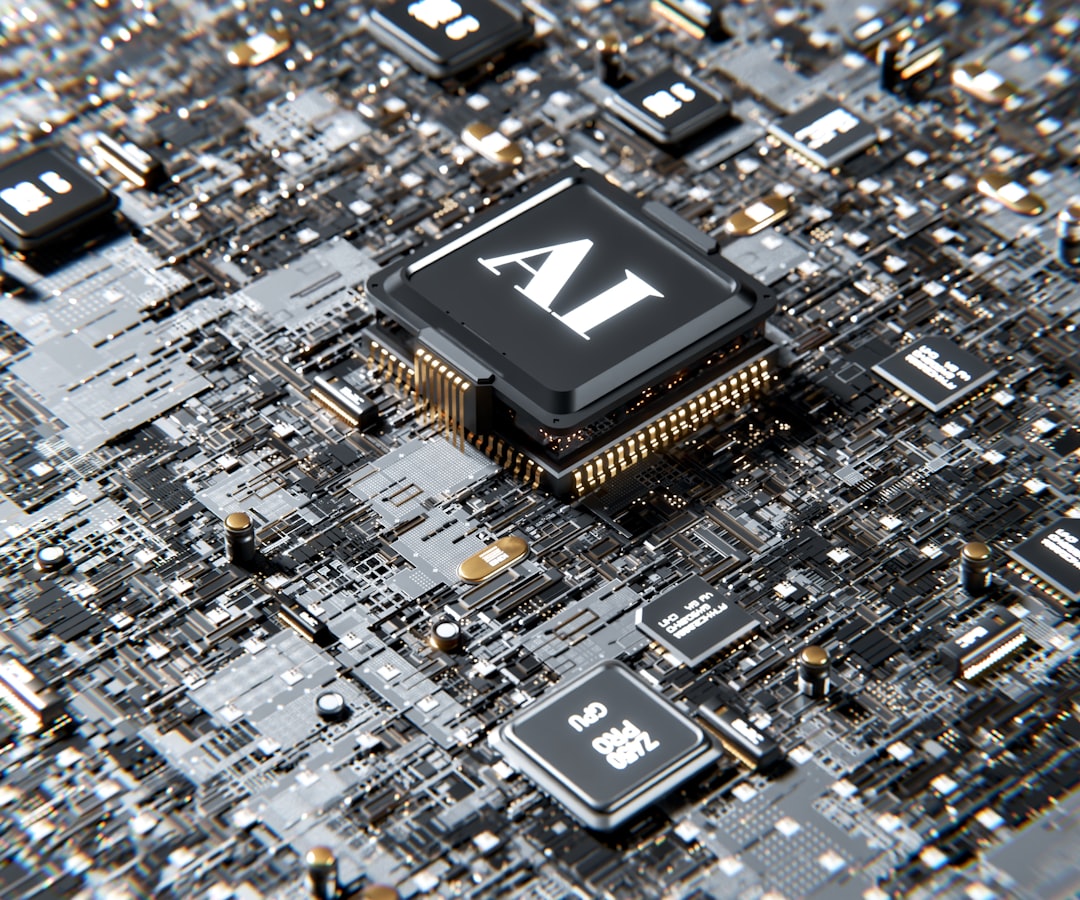
Career Ahead’s analysis finds that companies that innovate in this area will gain a competitive edge, increasing demand for skilled engineers and designers.
The semiconductor industry is undergoing a shift towards collaboration, with companies investing in research and development for innovative chip solutions. This trend will likely speed up as AI companies enhance their hardware offerings. Consequently, chip design specialists who can navigate this changing landscape will be at the forefront of technological advancements, helping to create the next generation of AI hardware.
You may also like
 Industry & Global Trends
Zimbabwe Central Bank Eyes NPCI Deal for Digital Payments
Zimbabwe's Central Bank is pursuing a partnership with India's NPCI to enhance digital payments, aiming to modernize banking infrastructure and improve financial inclusion. This collaboration…
Read More →Additionally, Anthropic’s hardware strategy has broader implications. The semiconductor ecosystem will benefit from innovations in AI-focused chip design. As AI technologies advance, the semiconductor industry must adapt to meet new requirements. This includes investing in research and development to create chips that efficiently handle complex AI tasks. Career Ahead’s analysis finds that companies that innovate in this area will gain a competitive edge, increasing demand for skilled engineers and designers.
As the landscape continues to change, professionals in hardware and chip design must stay informed. The next few years will likely bring significant changes in job roles and requirements as companies adapt to the evolving demands of AI.
Frequently Asked Questions
What skills do hardware engineers need to work in AI-focused companies?
Hardware engineers should have expertise in semiconductor design, knowledge of AI algorithms, and experience with hardware-software integration. Familiarity with custom chip development processes will also help.
Engaging in continuous learning and professional development will help them stay competitive in the changing job market.
How can chip design specialists adapt to the evolving AI hardware landscape?
Chip design specialists can adapt by focusing on optimizing chips for AI applications, gaining skills in energy-efficient design, and understanding AI workload requirements. Staying updated with industry trends will also be crucial.

What should hardware engineers do about the rise of AI in hardware development?
Hardware engineers should enhance their skills in custom chip design and learn about AI technologies. Engaging in continuous learning and professional development will help them stay competitive in the changing job market.
You may also like
 Industry & Global Trends
Gulf Attacks Escalate Tensions, Impacting Energy Trade Dynamics
Recent attacks in the Gulf have heightened concerns about energy trade stability, significantly affecting oil prices and supply chain logistics. This situation necessitates a reevaluation…
Read More →