Anti‑immigration protests across South Africa have forced thousands of migrants to flee their homes since a June 30 deadline, prompting police deployments and humanitarian warnings.
Violent demonstrations targeting migrants have spread across South Africa since June 2026, forcing thousands to flee their homes. Police have responded with increased presence, while humanitarian groups warn of human‑rights violations.
Protests against undocumented migrants began in early June 2026 and intensified after an unofficial deadline of 30 June was set for migrants to leave the country [2]. Demonstrations have taken place in multiple urban centers, most notably in Alexandra, a township near Johannesburg, and in the city of Johannesburg itself [1]. The unrest continued into July 2026, with documented incidents on 9 July and 16 July [1][2].
The primary participants are South African nationals organizing anti‑immigration rallies, many of whom have marched armed and have conducted door‑to‑door campaigns to force migrants from their residences [4]. The targeted groups include undocumented migrants from across the continent, as well as documented foreign nationals residing in informal settlements [1][2]. South African police have deployed additional units to the protest sites, while humanitarian organizations and neighboring governments have issued statements expressing concern over the escalation [2][3].
Timeline and Geographic Scope
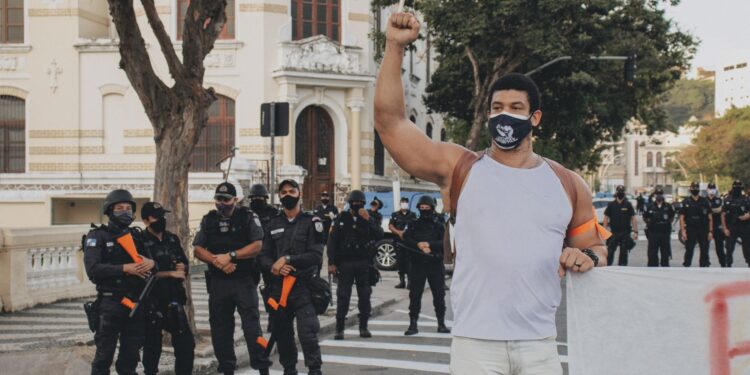
The anti‑immigration protests commenced in early June 2026, with organizers publicly announcing a “deadline” of 30 June for all undocumented migrants to depart South Africa [2]. Following the deadline, incidents of intimidation, beatings, and robberies were reported on 9 July in Johannesburg neighborhoods, where protesters went door‑to‑door demanding that migrants vacate their homes [4]. On 16 July, armed demonstrators marched through Alexandra, displaying weapons and chanting slogans against foreign nationals [1].
The protests have not been confined to a single city. While Johannesburg and its surrounding township of Alexandra have seen the highest concentration of violent incidents, reports indicate that similar demonstrations have occurred in other provinces, including the Western Cape and KwaZulu‑Natal, though with varying intensity [3][2]. The spread of unrest across multiple regions has prompted the national police service to coordinate a country‑wide response, deploying additional officers to hotspots identified by local authorities [4].
Timeline and Geographic Scope The anti‑immigration protests commenced in early June 2026, with organizers publicly announcing a “deadline” of 30 June for all undocumented migrants to depart South Africa [2].
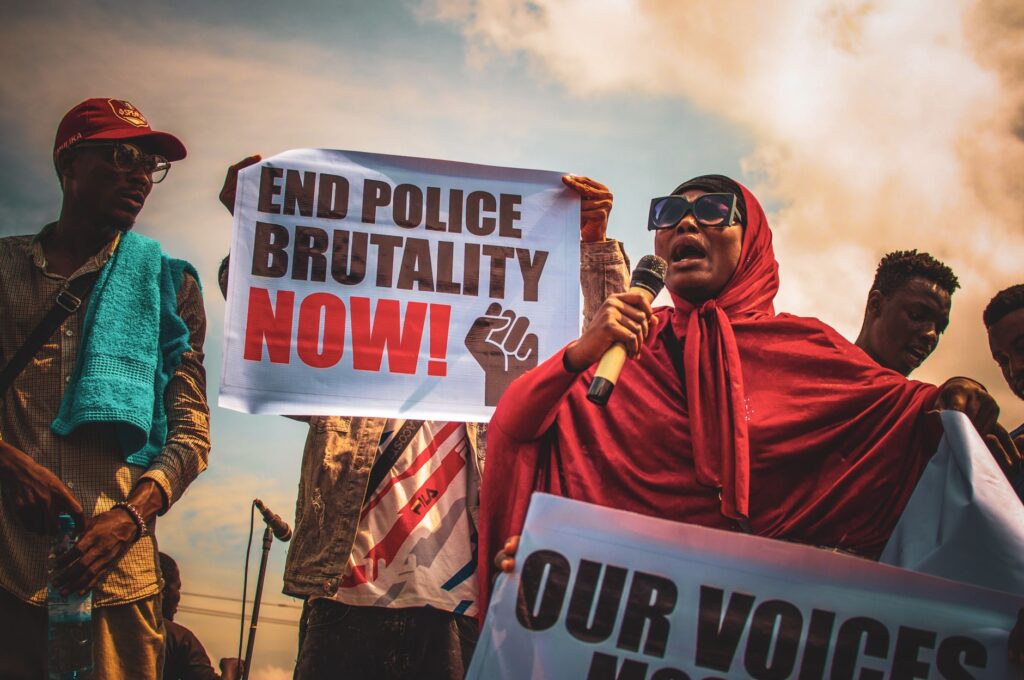
The demonstrators are largely composed of South African citizens, some affiliated with community groups that have historically opposed immigration [1]. Organizers have employed tactics such as public marches, the display of firearms, and systematic door‑to‑door intimidation to compel migrants to leave [4]. In several documented cases, protesters entered homes, threatened occupants, and physically assaulted individuals identified as foreign nationals [1][2].
South African law‑enforcement agencies have responded by increasing patrols and establishing temporary checkpoints in affected neighborhoods [4]. Police statements released in early July emphasized that the force would intervene only when public order was threatened, citing the need to protect both citizens and migrants from violence [2]. Despite the heightened presence, human‑rights observers note that police interventions have been uneven, with some incidents resulting in arrests while others concluded without official action [3].
Inflation in Tokyo has surged to 3.4%, prompting the Bank of Japan to reassess its monetary policy. This article explores the implications for economic growth,…
Humanitarian NGOs operating in the region, including the International Rescue Committee and local migrant support networks, have issued warnings to migrants about the risk of violence and have called for the protection of human rights under South African law [2][3]. Several Southern African Development Community (SADC) member states have also lodged diplomatic notes expressing concern over the treatment of their nationals in South Africa [2].
Immediate Impact on Communities and the Economy
The displacement of thousands of migrants has created an urgent humanitarian need for shelter, food, and medical assistance, stretching the capacity of local NGOs and community centers [2]. Migrants forced to flee have sought refuge in informal settlements, shelters, and in some cases, have returned to their countries of origin, raising concerns about potential secondary displacement [1].
Business leaders have highlighted the potential economic repercussions of the unrest. The protests have been linked to a decline in investor confidence, with some foreign investors citing xenophobic violence as a risk factor for future capital flows [3]. The South African Chamber of Commerce reported a short‑term slowdown in retail activity in affected townships, attributing reduced foot traffic to safety concerns among both consumers and shop owners [3].
Human‑rights organizations have documented violations consistent with international standards, prompting calls for investigations by the South African Human Rights Commission [2]. The ongoing situation underscores tensions between domestic socio‑economic pressures and South Africa’s obligations under regional migration agreements, with implications for future policy formulation [3].
Key Facts
Several Southern African Development Community (SADC) member states have also lodged diplomatic notes expressing concern over the treatment of their nationals in South Africa [2].
What: Anti‑immigration protests have displaced thousands of migrants across South Africa.
When: Protests began in June 2026, with major incidents reported on 9 July and 16 July 2026.
US government borrowing costs have surged to their highest levels since 2002, with significant implications for investors as UK 30-year bond yields reach 6%.



 News
NewsNews