No products in the cart.

BP Divests North Sea Assets; AI Stocks Soar
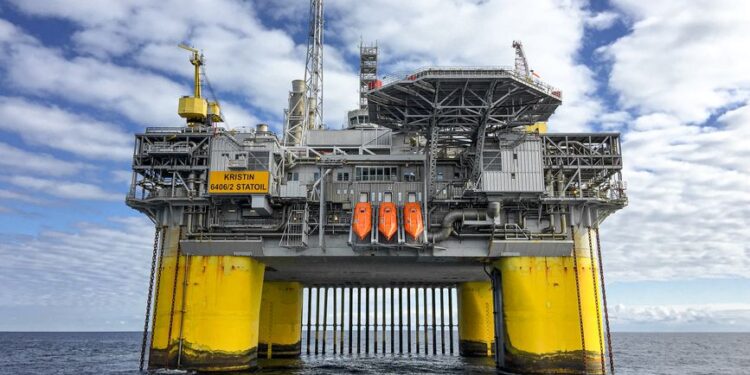
BP's decision to sell its North Sea business reflects a strategic shift towards higher returns, while Korea's AI sector experiences unprecedented growth.

BP plans to sell its North Sea business by July 31, 2026. This decision comes amid a political debate over drilling licenses in the UK. The company is looking for a buyer for its North Sea operations, which have been part of its portfolio for over a century.
The North Sea sale is part of BP’s strategy to focus on investments with higher financial returns. This shift is significant and reflects changes in the oil and gas sector. BP’s chief executive, Meg O’Neill, stated that the company wants to invest in its most valuable opportunities. This move is not just about selling assets; it shows a broader trend where major oil companies are reassessing their portfolios due to global energy transitions.
Impact of BP’s Sale on Oil Prices and Market Dynamics
BP’s sale of its North Sea operations could significantly impact oil prices and market dynamics. As major companies like BP leave traditional energy sectors, supply may tighten, potentially driving up oil prices. Career Ahead’s analysis suggests this shift could ripple through the oil market, affecting investor sentiment and pricing strategies. The North Sea has been a key contributor to the UK’s oil output, and BP’s exit might lower overall production capacity, raising supply concerns.
This decision reflects a larger trend in the industry, where companies are increasingly focusing on renewable energy sources. As the global push for sustainability continues, traditional oil companies may feel pressure to divest from fossil fuel operations. This could create a more volatile market as companies transition from fossil fuels to renewable energy. Additionally, ongoing geopolitical tensions, especially in the Middle East, keep the oil market vulnerable to fluctuations. BP’s exit could lead to higher prices in the short term, making it essential for investors to stay informed about market changes.
Furthermore, the sale may indicate a shift in investment strategies among oil and gas executives. Smaller companies might see an opportunity to acquire valuable assets at a lower cost, reshaping the competitive landscape. Investors will need to reassess their portfolios, considering the potential for increased consolidation in the sector. This consolidation could result in a more concentrated market, where fewer companies control a larger share of oil production, further affecting pricing and supply dynamics.
Smaller companies might see an opportunity to acquire valuable assets at a lower cost, reshaping the competitive landscape.
You may also like
 Industry & Global Trends
Regulatory capture fuels industry‑led standards in emerging tech
Lobbying expenditures in digital finance have risen sharply, while think‑tank sponsorships increasingly align research agendas with industry priorities.
Read More →BP’s decision comes at a time when oil prices are already under pressure due to geopolitical tensions and fluctuating demand. The ongoing conflict in the Middle East, particularly the Iran war, adds uncertainty to the market. As BP sells its North Sea assets, potential supply constraints may lead to higher prices in the short term. Analysts from The Guardian note that BP’s strategic move could redefine the competitive landscape, prompting other oil giants to rethink their operations in similar regions.
Overall, BP’s sale of its North Sea business marks a critical moment for the oil market. Investors and executives must adapt to the evolving landscape and understand how these strategic decisions impact their investments.
The AI Surge in Korea: Investment Opportunities and Risks
As BP shifts away from traditional oil investments, the technology sector, especially AI companies in Korea, is booming. The Korean stock market recently saw its largest single-day increase, driven by rapid growth in AI firms. This boom offers both opportunities and risks for investors. Reports from The Guardian show that the Kospi index rose by nearly 18%, reflecting the potential of AI technologies and investor confidence in this sector.
Companies like SK Hynix and Samsung Electronics have experienced significant stock price increases, showing strong investor confidence in AI’s future. However, Career Ahead’s research indicates that this rapid growth may also lead to market volatility. Speculative trading and leveraged investments can cause sharp fluctuations in stock prices. The surge has attracted many new investors eager to capitalize on the AI trend, but this influx can lead to unsustainable price increases and corrections.
However, Career Ahead’s research indicates that this rapid growth may also lead to market volatility.
Investors in the technology sector should be cautious as they navigate this landscape. While high returns are possible, the risks of investing in rapidly evolving industries are significant. Recent market volatility, with steep declines followed by quick recoveries, shows that investors must be ready for sudden shifts in sentiment. Additionally, regulatory scrutiny is increasing as authorities aim to manage risks from leveraged trading and speculative investments. This could impact the growth of AI companies, leading to potential corrections in stock prices.

You may also like
 Industry & Global Trends
Disney+ Cracks Open the Door to TikTok Creator Videos | Career Outlook
Disney's partnership with TikTok allows creators to use clips from its extensive library to produce engaging content, enhancing viewer interaction on Disney+. This collaboration marks…
Read More →In conclusion, the AI surge in Korea presents unique opportunities for investors but requires careful consideration of the associated risks. As the landscape evolves, staying informed and adaptable will be key to making the most of this growth. BP’s divestment from oil and the rise of AI technology highlight a significant shift in investment focus, urging investors to rethink traditional strategies in light of new trends.
Career Ahead’s analysis shows that this divergence may lead to different investment strategies. Investors who usually favored energy stocks may need to diversify into technology firms, especially those involved in AI. This shift could redefine risk profiles and return expectations across the investment landscape. The current environment presents both challenges and opportunities for investors. As BP’s divestment from the North Sea unfolds and the AI sector in Korea continues to surge, strategic foresight will be crucial.
Frequently Asked Questions
What are the implications of BP selling its North Sea business for oil prices?
Career Ahead analysis suggests that BP’s sale could tighten supply in the oil market, possibly leading to higher prices. Major companies exiting traditional energy sectors may require investors to adjust their strategies.
Career Ahead analysis suggests that BP’s sale could tighten supply in the oil market, possibly leading to higher prices.
How should investors approach the surge in AI companies on the stock market?
Investors should be cautious as the AI sector grows rapidly. While opportunities exist, market volatility requires careful consideration of risks associated with speculative trading.

What strategies should oil and gas executives consider in light of BP’s divestment?
Executives may need to reassess their portfolios and look for consolidation opportunities as BP exits the North Sea. The changing landscape may offer smaller companies chances to acquire valuable assets.
You may also like
 Industry & Global Trends
Uber Stock Dips Amid $10 Billion Robotaxi Expansion
Uber's $10 billion investment in robotaxis raises concerns about profitability while highlighting the growing demand for specialized skills in autonomous vehicle technology and urban infrastructure…
Read More →