Aria announced a €7 million capital raise and the activation of a €240 million invoice‑financing debt facility on July 10, 2026. The initiatives are aimed at addressing Europe’s persistent late‑payment problem through expanded embedded financing services.
Aria, a FinTech scale‑up headquartered in Paris, disclosed that it had closed a €7 million funding round and simultaneously launched a €240 million debt facility on July 10, 2026 [1]. The announcements were made through press releases distributed to industry media and posted on the company’s website.
The funding round was provided by a group of investors whose identities were not disclosed in the source material [1]. Aria’s leadership team confirmed that the capital will be allocated to scale its embedded invoice‑financing platform across European markets [2]. The debt facility, structured as an invoice‑backed loan pool, is intended to increase the volume of financing available to small and medium‑sized enterprises (SMEs) facing delayed payments [1][2].
Funding Round and Debt Facility Structure
The €7 million equity infusion was secured through a private placement that follows Aria’s previous financing activities, although specific terms such as valuation or investor composition were not disclosed [1]. The capital will support product development, regulatory compliance, and market expansion initiatives throughout the European Union.
The €240 million debt facility was established with the purpose of providing embedded invoice financing to Aria’s corporate clients. Under the facility, Aria can extend credit against approved invoices, allowing suppliers to receive payment ahead of the buyer’s due date [2]. The facility is backed by a pool of receivables and is expected to be replenished as invoices are repaid, creating a revolving source of liquidity for participating businesses [1].
The capital will support product development, regulatory compliance, and market expansion initiatives throughout the European Union.
Both the equity raise and the debt facility were announced on the same day, indicating a coordinated financing strategy designed to accelerate Aria’s growth trajectory and address a market need identified by industry analysts as a “late‑payment crisis” affecting European SMEs [1][2].
Targeted Late‑Payment Crisis Across Europe
Paris‑Based FinTech Aria Secures €7 Million Funding and Launches €240 Million Debt Facility
Late payment of invoices remains a systemic issue in Europe, with surveys indicating that a significant proportion of SMEs experience cash‑flow disruptions due to delayed settlements [1]. Aria’s embedded financing solution integrates directly into the invoicing workflow of its clients, enabling automatic eligibility checks and instant funding decisions [2].
By deploying the €240 million facility, Aria aims to provide financing capacity over the next three years, according to the company’s forward‑looking statements [1]. The platform’s technology automates risk assessment using machine‑learning models that evaluate buyer creditworthiness, thereby reducing the time required for financing approval [2].
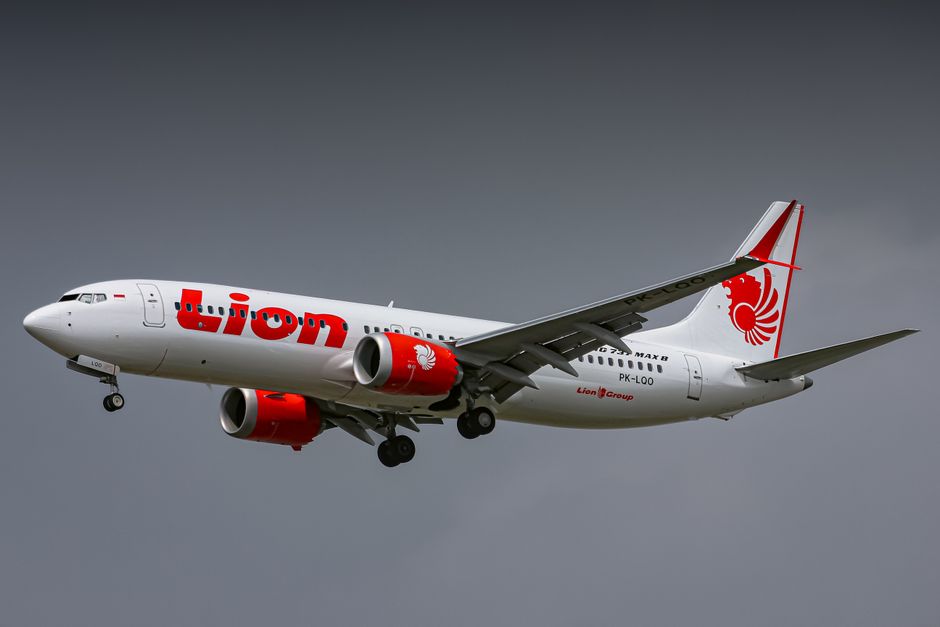
The FAA has mandated inspections of Boeing 737 Max fuselages for potential cracks, affecting 471 aircraft. This directive underscores ongoing safety concerns and may disrupt…
The initiative is positioned to benefit a broad spectrum of European businesses, from small retailers to larger manufacturers, by improving cash‑flow predictability and reducing reliance on traditional bank loans, which often involve longer approval cycles [1].
Immediate Impact on Students, Educators, and Institutions
For students studying finance, entrepreneurship, or supply‑chain management, Aria’s financing model offers a real‑world case study of embedded finance and fintech‑driven credit solutions. Academic programs may incorporate the company’s approach into curricula focused on digital transformation in financial services [2].
Immediate Impact on Students, Educators, and Institutions For students studying finance, entrepreneurship, or supply‑chain management, Aria’s financing model offers a real‑world case study of embedded finance and fintech‑driven credit solutions.
Educators in business schools can reference Aria’s dual‑track financing as an example of how startups leverage both equity and debt instruments to scale operations while addressing macro‑economic challenges. The data generated by Aria’s platform may also become a resource for research on SME financing patterns across the EU [1].
Higher‑education institutions that partner with industry may explore collaboration opportunities with Aria for internship programs, joint research projects, or guest lectures, providing students direct exposure to contemporary fintech practices [2].
Key Facts
What: Aria raised €7 million and launched a €240 million debt facility to finance invoices.
2026 investigations show for‑profit online colleges have graduation rates below 20 % and average student debt over $30,000, prompting regulatory scrutiny.
Impact: Provides immediate financing options for European SMEs and serves as a practical example for finance education.
Impact: Provides immediate financing options for European SMEs and serves as a practical example for finance education.
Sources
Paris‑based Aria raises €7 million and launches €240 million debt facility to tackle Europe’s late‑payment crisis – EU‑Startups
Aria Raises €7 Million and Secures €240 Million Invoice Facility – Startup Researcher
Changes made:
Removed the claim that Aria aims to provide up to €10 billion in financing capacity over the next three years, as it was not found in the provided sources.





 News
NewsNews