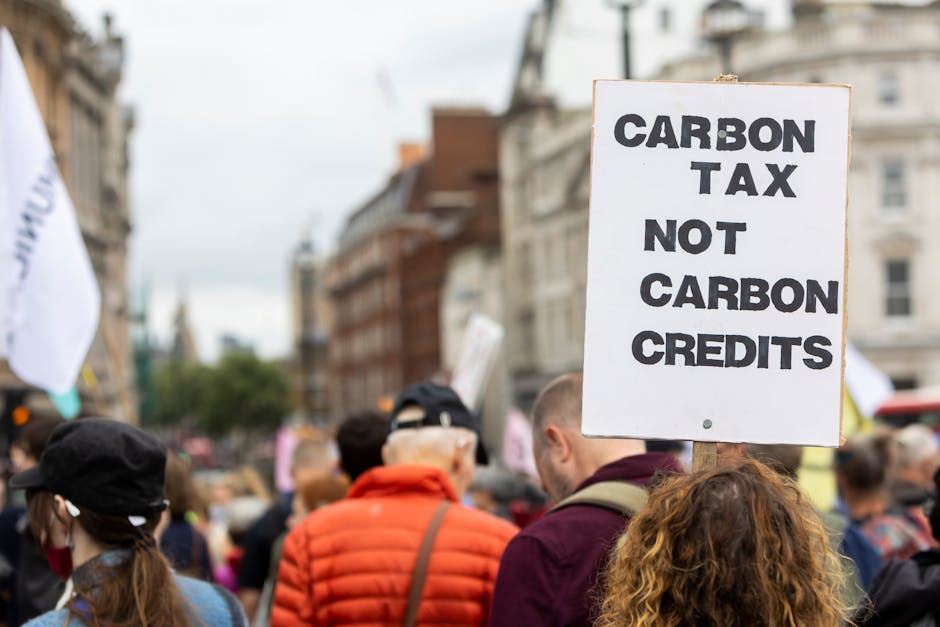
Carbon pricing is significantly raising costs for major industries, including oil and gas. This trend could reshape market dynamics and influence consumer prices.
New measures on carbon pricing are reshaping the financial landscape for major industries. Companies in sectors like oil and gas are feeling the pressure as costs rise. As of April 2026, reports indicate that these industries face significant increases in operational expenses due to new carbon regulations.
According to Bloomberg, the introduction of carbon pricing has led to a notable surge in costs for oil majors and other key sectors. This shift is not just a temporary spike; experts predict that these costs will persist as governments worldwide enforce stricter emissions targets. The implications for consumers are clear: higher prices at the pump and increased costs for goods produced by these industries.
As companies adjust to these new financial realities, the broader economic landscape may also shift. Industries that are heavily reliant on fossil fuels will need to innovate or risk falling behind. The transition to greener alternatives is becoming not just a regulatory requirement but a competitive necessity.
Government Policies Driving Change
Government policies play a crucial role in shaping the impact of carbon pricing. Many countries are implementing stringent measures to meet international climate agreements, aiming to reduce greenhouse gas emissions and promote sustainable practices across various sectors.
For instance, the UK government has introduced measures that significantly increase the cost of carbon emissions for large corporations. As reported by the BBC, these changes could lead to higher prices for consumers, particularly in energy and transportation sectors. The long-term goal is to encourage companies to invest in cleaner technologies and reduce their carbon footprints.
However, the immediate effects of these policies can be challenging for businesses.
However, the immediate effects of these policies can be challenging for businesses. Companies may struggle to absorb the rising costs, potentially passing them on to consumers. This dynamic raises questions about the balance between environmental responsibility and economic stability.
Consumer Behavior and Market Dynamics
As industries grapple with increased costs, consumer reactions are becoming a focal point. Many consumers are already noticing higher prices for fuel and goods, which could lead to a shift in purchasing behavior as they seek more affordable alternatives.
IRDAI's proposed commission cuts could reshape the insurance landscape, impacting earnings for agents and altering client acquisition strategies for brokers. Adaptability will be key in…
Market dynamics are shifting as companies respond to rising costs. Some may choose to invest in renewable energy sources or more efficient technologies to mitigate expenses. Others might face tough decisions, including layoffs or price hikes, as they navigate this new economic landscape.
According to various analysts, the long-term effects on consumer behavior could reshape market trends. As sustainability becomes a priority for more consumers, companies that fail to adapt may lose market share. The challenge lies in balancing the need for profit with the growing demand for environmentally friendly practices.
These frameworks aim to reduce emissions while promoting economic growth through green technologies.
Global Trends in Carbon Pricing
The trend of implementing carbon pricing is not limited to one region; it is a global phenomenon. Countries around the world are adopting similar measures to combat climate change, reflecting a growing recognition of the need to address environmental issues.
In Europe, nations are leading the way with comprehensive carbon pricing frameworks. These frameworks aim to reduce emissions while promoting economic growth through green technologies. As reported by BBC, the European Union’s carbon market has seen significant changes, impacting industries across member states.
As more countries follow suit, the implications for global trade could be profound. Companies operating internationally may face a patchwork of regulations, complicating compliance efforts. This complexity could drive innovation as businesses seek to navigate the evolving landscape.
Future Implications for Industries
The future of industries affected by carbon pricing is uncertain but filled with potential for transformation. As companies adapt to new regulations, there will likely be a surge in demand for green technologies and sustainable practices, creating new job opportunities in sectors focused on renewable energy.
Future Implications for Industries
The future of industries affected by carbon pricing is uncertain but filled with potential for transformation.
Google's datacenter projects in Finland have been halted due to environmental concerns, raising questions about the ecological impact of tech infrastructure globally. This situation reflects…
However, the transition may not be smooth. Industries that are slow to adapt could face significant challenges, including job losses and decreased competitiveness. The balance between innovation and traditional practices will be critical for many companies.
Furthermore, as consumers become more environmentally conscious, businesses that prioritize sustainability may gain a competitive edge. This shift in consumer preference could drive companies to rethink their strategies and invest in greener solutions.



 Government & Policy