No products in the cart.

Chelsea fined £10 million for FA rule breaches
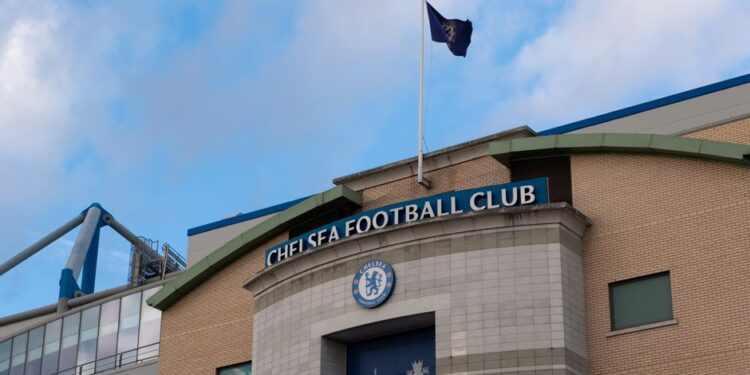
Chelsea FC has been fined £10 million by the FA after admitting to 74 breaches of regulations concerning third-party investments and dealings with intermediaries.

London, UK — Chelsea FC has been fined £10 million ($13.41 million) by the English Football Association (FA). The club admitted to multiple historical breaches of regulations. These breaches were self-reported after the takeover by U.S. investor Todd Boehly and private equity firm Clearlake Capital in May 2022. This situation has serious implications for the club’s future operations and compliance strategies.
The FA decided to impose a fine after Chelsea admitted to 74 breaches of FA Rule E1.2. This rule includes regulations about third-party investments and dealings with intermediaries. Although the club successfully appealed against an initial six-point deduction, it now faces a suspended two-window registration ban until June 30, 2027. This raises questions about the financial and operational impacts of such penalties on football clubs.
Financial Penalties and Club Operations
The £10 million fine is more than just a monetary setback. It shows a trend of financial penalties affecting football clubs. Chelsea’s case highlights how regulatory breaches can strain club finances. This strain can limit their ability to invest in players and infrastructure. Earlier this year, the club faced a record fine of £10.75 million for breaches of Premier League regulations. This indicates ongoing regulatory scrutiny that could lead to more financial challenges.
According to a report by the Reuters, the FA stated that the full fine amount will support grassroots football initiatives. This highlights the governing body’s commitment to using penalties to benefit the broader football community.
Career Ahead’s analysis shows that financial penalties can disrupt a club’s operational budget. Clubs must allocate resources for compliance and legal fees. This can reduce funds available for player acquisitions and wages. For Chelsea, this fine may require a re-evaluation of their transfer strategies. They must navigate a competitive Premier League landscape. The club’s financial strategy may now focus on sustainable investments instead of high-profile signings. This shift could change their competitive edge in domestic and European competitions.
Career Ahead’s analysis shows that financial penalties can disrupt a club’s operational budget.
The suspended registration ban could also limit Chelsea’s ability to sign new players over the next two transfer windows. This limitation may force the club to rely more on its academy system or make strategic trades with other clubs. These changes could impact their competitiveness in both domestic and European competitions. The BBC reported that Chelsea’s academy has produced several top talents recently. This talent may become increasingly vital as the club adapts to new restrictions.
You may also like
 News
NewsU.S. Stocks Climb as Weak Jobs Data Lowers Rate Hike Expectations
U.S. stocks rose following a weak jobs report that tempered expectations for Federal Reserve interest rate hikes. This shift in market sentiment is crucial for…
Read More →As clubs like Chelsea face more financial scrutiny, strong compliance strategies are crucial. Ensuring adherence to FA regulations protects clubs from financial penalties. It also safeguards their reputation and long-term viability in the sport. The implications of such fines go beyond immediate financial concerns. They can influence a club’s marketability and attractiveness to potential sponsors.
Regulatory Compliance Strategies for Football Clubs
In light of recent penalties, Chelsea’s approach to regulatory compliance will likely change significantly. The club has started working openly with regulators. They are proactively disclosing thousands of documents related to their operations. This transparency is vital for rebuilding trust with the FA and avoiding future sanctions. The club’s commitment to compliance is clear in their efforts to engage legal experts and sports law specialists. These professionals can guide them through the complexities of football governance.
Career Ahead research shows that clubs must develop comprehensive compliance frameworks. This includes regular audits of financial practices and a clear understanding of regulations governing player transfers and third-party investments. By fostering a culture of compliance, clubs can reduce risks associated with regulatory breaches. Chelsea’s willingness to self-report its infractions shows a proactive stance that could serve as a model for other clubs facing similar scrutiny.
Sports law specialists are essential in this process. They can help clubs interpret regulations and implement best practices for adherence. For Chelsea, engaging legal experts to review contracts and transactions could prevent future infractions. This alignment with FA standards is crucial. The club’s recent penalties highlight the need for a robust legal framework to navigate evolving football regulations.
Career Ahead analysis finds that clubs facing similar sanctions must be strategic about player development programs.
Moreover, clubs should consider how non-compliance affects their brand image. A history of regulatory breaches can harm a club’s reputation. This can affect fan loyalty and sponsorship opportunities. Therefore, a proactive approach to compliance safeguards against financial penalties and enhances a club’s marketability. Chelsea’s recent challenges may prompt a reevaluation of their brand strategy. They may focus on transparency and community engagement to rebuild trust with fans and stakeholders.
You may also like
 News
NewsAnup Bagchi Takes Charge as HDFC Bank MD & CEO
Anup Bagchi, with over three decades in financial services, is set to lead HDFC Bank starting October 27, 2026, following the retirement of Sashidhar Jagdishan.
Read More →The long-term implications of Chelsea’s suspended registration ban may extend beyond immediate financial concerns. The club’s ability to attract top talent could suffer if they cannot engage in transfer activities over the next two windows. This situation may lead to a decline in performance on the pitch. Such a decline can affect revenue from ticket sales, merchandise, and broadcasting rights. Career Ahead analysis finds that clubs facing similar sanctions must be strategic about player development programs. Investing in youth academies and scouting can help maintain competitiveness without relying heavily on external transfers. Chelsea has a strong academy system that could be leveraged during this period, but the pressure to perform remains high.
Furthermore, Chelsea’s case may lead to stricter enforcement of regulations across the league. Other clubs will likely be monitored closely to ensure compliance. This could result in a more disciplined approach to financial management in the Premier League. Increased collaboration between clubs and regulators may foster a culture of accountability within the sport. As football governance evolves, clubs must stay vigilant in their compliance efforts. The implications of regulatory breaches go beyond fines; they can reshape competitive dynamics and influence the future of football.
Understanding the financial repercussions of regulatory breaches can help clubs improve compliance measures. Chelsea’s situation serves as a reminder for all clubs about the importance of adhering to FA regulations. This adherence is crucial not only to avoid penalties but also to ensure long-term success in the sport.
Frequently Asked Questions
What are the financial implications of FA rule breaches for football clubs?
Financial penalties from FA rule breaches can severely impact a club’s operational budget. This affects their ability to invest in players and infrastructure. Chelsea’s £10 million fine shows how such penalties can strain finances, leading to a potential re-evaluation of transfer strategies.
Football club administrators should develop comprehensive compliance frameworks.
How can sports law specialists assist clubs in compliance?
Sports law specialists can help clubs interpret regulations and implement best practices for adherence. They can review contracts and transactions to prevent future infractions. This is essential for maintaining compliance with governing bodies.

What steps should football club administrators take to avoid regulatory issues?
You may also like
 News
NewsFood Prices Surge Amid Heatwaves and El Niño Impact
World food prices surged in September 2026, reaching their highest level in nearly four years due to extreme weather conditions and rising agricultural input costs.…
Read More →Football club administrators should develop comprehensive compliance frameworks. They should conduct regular audits and engage legal experts to navigate football governance complexities. Proactive transparency with regulators can also help build trust and avoid penalties.