Education Ministry Orders Schools to Slash Exams and Homework
This week, China’s Education Ministry announced a sweeping policy aimed at reducing academic pressure on students. The ministry’s official WeChat statement prohibits schools from frequently organizing examinations and increasing the “academic burden on students.” This new directive requires schools to stop assigning excess homework and ensures that they cannot encroach on break time or prevent students from leaving the classroom during recess. The announcement builds on a November 2025 directive that mandated strict control of homework volume and at least two hours of daily physical activity for primary and secondary pupils. Additionally, kindergartens are now prohibited from using primary school curricula or teaching methods in advance. Primary and secondary schools may no longer hold selection-type exams or reward or punish teachers based on the performance of top scorers in college entrance exams.
From All-Nighters to Eight-Hour Nights: Anticipated Mental-Health Boosts
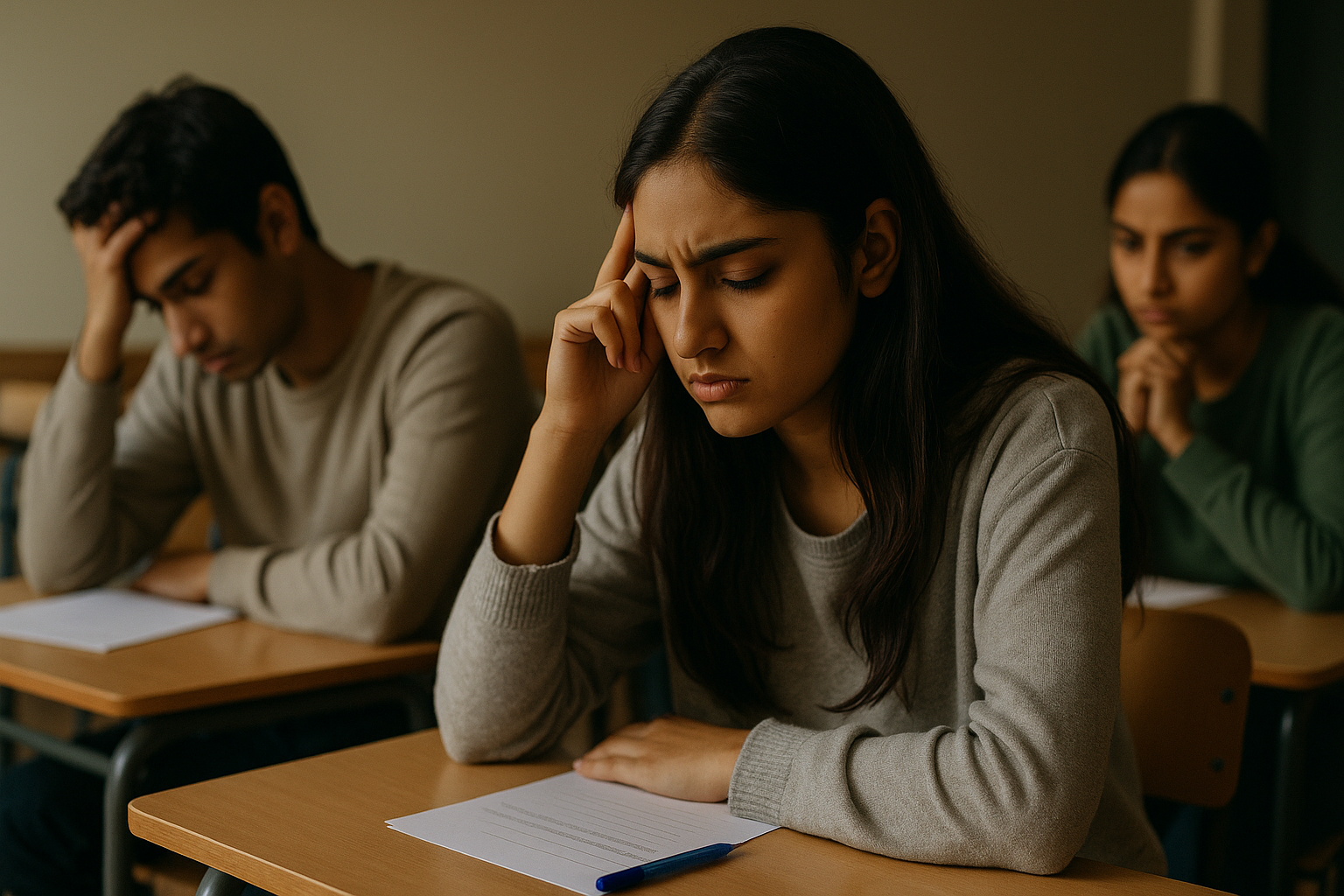
This policy shift comes in response to alarming trends linking heavy homework loads to chronic sleep deprivation and elevated anxiety and depression among students. The new requirement for daily physical activity is expected to enhance cardiovascular health and improve stress-recovery cycles. Early pilot data from schools that have already begun reducing homework indicate notable increases in average sleep duration and significant drops in self-reported anxiety levels. By eliminating high-stakes selection tests, students will face fewer pressure points, potentially reducing the incidence of exam-related panic attacks.
Fear of Falling Behind in the Global Race
Despite the potential benefits, the policy has sparked significant pushback from parents and teachers. Parent groups argue that stricter limits on exams could weaken college-entrance competitiveness and impact regional university rankings. Teachers express concerns that the ban on rewarding top scorers removes a key motivational tool and could dilute instructional rigor. Additionally, some private tutoring firms warn of a possible surge in off-site “shadow” classes, which could exacerbate educational inequities. The restrictions on kindergarten curricula have also ignited debates about early-learning readiness for primary school.
How the Ministry Will Police the New Rules
The Ministry plans to deploy regional inspection teams to audit homework logs, exam schedules, and break-time records to ensure compliance with the new rules. Penalties for non-compliance could include budgetary fines and temporary suspension of school accreditation. Schools will be required to submit monthly compliance reports through a new digital portal, and whistleblower hotlines will be established for teachers and parents to report violations. The introduction of spring and autumn holidays is intended to provide additional non-academic downtime while testing the enforcement framework.
From All-Nighters to Eight-Hour Nights: Anticipated Mental-Health Boosts This policy shift comes in response to alarming trends linking heavy homework loads to chronic sleep deprivation and elevated anxiety and depression among students.
 Education & University Insights
Sri Lanka High Commission Builds Education and Youth Bridges with India
Twenty Sri Lankan education administrators trained at NIEPA in New Delhi, while young leaders from six South Asian nations met at the Sri Lanka High…
Read More →Inspection Teams and Reporting Channels
These inspection teams will consist of education-policy officers and child-psychology experts who will conduct random spot checks and student well-being surveys. Non-compliant schools must submit corrective action plans within a specified timeframe or face intervention from the central government.
Will Other Nations Follow China’s Academic-Pressure Reset?
This policy marks a significant pivot from China’s historic emphasis on a rigorous academic culture, signaling a state-led prioritization of mental health over pure academic output. Countries like South Korea and Japan, already grappling with student burnout, have cited China’s recent changes as potential models during education ministerial meetings. However, international NGOs caution that exporting this framework without local adaptation could lead to misfires, advocating for context-specific pilot programs. If successful, this reform may reshape global competitiveness metrics, shifting the focus from test scores to holistic well-being indices.

Early Signals from South Korea and Japan
Both governments have initiated feasibility studies on limiting after-school tutoring hours, influenced by China’s recent policy changes. This could signal a broader shift in educational strategies across Asia aimed at enhancing student mental health and overall well-being.
If these reforms succeed in improving student mental health and academic performance, other nations may be compelled to reevaluate their own educational practices. However, if pushback from parents and educators leads to policy reversals, the potential benefits may remain unfulfilled, leaving students to navigate an increasingly competitive academic landscape.
Written by Career Ahead AI. AI can make mistakes, so verify key facts. Report errors to support@careeraheadonline.com.