No products in the cart.

China’s EV Industry Seizes Opportunity Amid Iran Crisis
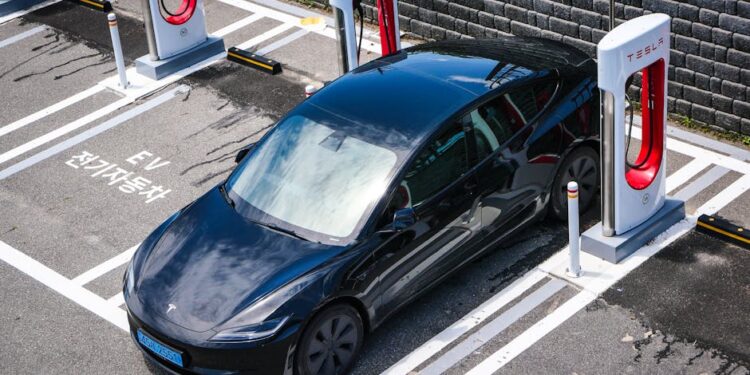
China's electric vehicle industry is leveraging the ongoing Iran crisis to enhance its market position, showcasing advancements in technology and infrastructure.

China’s EV Industry Thrives Amid Global Turmoil
China’s electric vehicle (EV) industry is experiencing a significant surge as the ongoing Iran crisis disrupts global fuel supplies. With the U.S. and Iran at odds, the resulting instability has sent oil prices soaring, creating a perfect storm for electric vehicle adoption. Reports indicate that this situation has led to increased interest in alternative energy sources, with China positioned to capitalize on this shift.
At the Beijing Auto Show, local manufacturers displayed their latest innovations, including flying cars and ultra-fast charging systems. These advancements reflect a broader trend within China’s automotive sector, which is rapidly evolving to meet the demands of a changing global landscape. As traditional fuel sources become less reliable, the emphasis on electric mobility grows stronger.
In recent years, China has invested heavily in EV infrastructure, establishing a robust network of charging stations and incentives for consumers. This groundwork has set the stage for a transition away from fossil fuels, making electric vehicles a more attractive option for consumers and businesses alike. As the crisis unfolds, China’s proactive approach could cement its leadership in the global EV market.
Furthermore, the country’s commitment to green technology aligns with global sustainability goals. With the world increasingly focused on reducing carbon emissions, China’s focus on electric vehicles presents an opportunity to lead the charge in sustainable transportation.
Innovative Technologies Shaping the Future
The technological innovations showcased at the Beijing Auto Show highlight the rapid advancements within China’s EV sector. Notably, companies are developing flying cars, which may revolutionize urban transportation. These vehicles promise to reduce congestion and provide faster travel options, appealing to a growing urban population.
Innovative Technologies Shaping the Future The technological innovations showcased at the Beijing Auto Show highlight the rapid advancements within China’s EV sector.
Flying cars are not just a futuristic dream but are becoming a reality, with several models expected to be available for consumers by 2025. This innovation could redefine personal mobility, making it more efficient and accessible. The integration of advanced technologies, such as autonomous systems and artificial intelligence, is also enhancing the functionality of these vehicles.
You may also like
 Industry & Global Trends
BT Expands Reach with TalkTalk Acquisition
The acquisition is seen as a strategic necessity for BT, allowing it to consolidate its position in a market that has seen increasing pressure from…
Read More →Moreover, the push for rapid charging solutions, capable of delivering a full charge in just five minutes, is another game-changer. These advancements address one of the primary concerns consumers have about electric vehicles: charging time. With improved battery technology and charging infrastructure, the convenience of owning an EV is set to increase significantly.
Global Market Dynamics and Opportunities
The implications of China’s advancements in the electric vehicle sector extend beyond its borders. As the Iran crisis continues to impact global fuel supplies, countries around the world may look to China as a model for transitioning to electric mobility. This shift could reshape international trade dynamics, with China becoming a key player in the global EV supply chain.
As demand for electric vehicles rises, so too does the need for critical components, such as batteries and charging infrastructure. China, with its established manufacturing capabilities, is well-positioned to meet this demand, potentially leading to increased exports and further economic growth for the country.
Additionally, the ongoing crisis may prompt other nations to reconsider their energy policies. Countries heavily reliant on oil imports could accelerate their transitions to electric vehicles, seeking to enhance energy security and reduce vulnerability to geopolitical tensions. China’s experience and technological prowess could serve as a valuable resource for these nations.
Furthermore, the rapid pace of technological change means that companies must continually innovate to stay ahead.
Challenges Facing the EV Sector
Despite the opportunities presented by the Iran crisis, China’s electric vehicle industry faces several challenges. Competition is fierce, both domestically and internationally, as more companies enter the EV market. Established automotive giants and new startups alike are vying for market share, which could lead to price wars and reduced profit margins.
You may also like
 Government & Policy
MSMEs Demand Action on Rising Steel and Metal Prices
Rising material costs have been a persistent issue for MSMEs, which are already grappling with higher prices for diesel, furnace oil, and LPG.
Read More →Furthermore, the rapid pace of technological change means that companies must continually innovate to stay ahead. As flying cars and advanced charging technologies emerge, firms that fail to keep up may find themselves at a disadvantage. This constant pressure to innovate can strain resources and impact overall industry stability.
Additionally, regulatory hurdles and safety concerns surrounding new technologies, particularly flying cars, could slow down their adoption. Governments will need to establish clear guidelines to ensure public safety while fostering innovation. Balancing regulation with the need for rapid advancement will be crucial for the industry’s growth.
Shifting Consumer Attitudes Towards EVs
Consumer attitudes towards electric vehicles are evolving, influenced by the current geopolitical climate. As fuel prices rise due to the Iran crisis, many consumers are reconsidering their transportation options. The appeal of electric vehicles, with their lower operating costs and environmental benefits, is becoming more pronounced.
However, concerns about range anxiety and charging infrastructure remain significant barriers to widespread adoption. While China’s advancements in rapid charging technology aim to address these issues, consumer education and awareness will be vital in changing perceptions. Many potential buyers still harbor doubts about the practicality of EVs for their daily needs.
While China’s advancements in rapid charging technology aim to address these issues, consumer education and awareness will be vital in changing perceptions.

As awareness of the environmental impact of traditional vehicles grows, more consumers are likely to embrace electric mobility. The shift towards sustainable transportation is not just a trend but a necessity in the face of climate change. This growing consciousness could drive demand for electric vehicles in the coming years.
You may also like
 Government & Policy
SEBI Alerts Investors on Anonymous Tips, Finfluencers
Project Jagrook aims to combat the influence of anonymous financial advisors and so-called "finfluencers," who often provide misleading advice to unsuspecting retail investors.
Read More →Moreover, the introduction of innovative models, such as flying cars, may capture the imagination of younger consumers. As these technologies become more accessible, they could redefine what consumers expect from personal transportation.