No products in the cart.

Destro AI’s secret sauce is getting robots and humans on the same page

Destro AI, founded by robotics expert Manthan Pawar, is transforming logistics with its innovative human-robot collaboration technology, backed by $8 million in seed funding.

Destro AI, a startup emerging from stealth mode, has introduced a groundbreaking approach to human-robot collaboration in logistics. The company has secured $8 million in seed funding to develop an AI intelligence layer that enables robots to work effectively alongside human workers. This innovative system not only directs the robots but also provides guidance to human operators, enhancing overall efficiency in logistics settings.
Founded by Manthan Pawar, a seasoned expert in robotics, Destro AI aims to address critical challenges in the logistics sector. Pawar emphasizes that many robotics companies focus solely on the technical aspects of robot design, often overlooking the operational needs of their human counterparts. By prioritizing the integration of human input into robotic workflows, Destro AI is setting itself apart from traditional robotics firms.
Revolutionizing Logistics Through AI Integration
The logistics industry faces numerous challenges, including labor shortages and increasing demand for efficiency. Destro AI’s solution is to create a seamless interaction between robots and human workers. The company’s Mothership operating system coordinates tasks among human operators, robots, and logistics systems, streamlining operations and reducing the reliance on manual processes.
During a pilot program at a Yusen Logistics facility, Destro AI deployed three cart-moving robots that utilized their Vision operating system. This system interprets visual data to guide robots in navigating complex environments. Human workers unload goods from trucks, while the robots autonomously transport the sorted items to their designated locations. This collaboration minimizes labor intensity and eliminates the need for paper-based systems, making operations more systematic and efficient.
This shift in responsibilities is crucial for the future of work in logistics, where adaptability is key.
Career Ahead’s analysis shows that this integration of AI in robotics not only enhances productivity but also creates a more dynamic work environment. By alleviating the burden of mundane tasks from human workers, Destro AI allows them to focus on higher-level decision-making and problem-solving. This shift in responsibilities is crucial for the future of work in logistics, where adaptability is key.
You may also like
 AI & Technology
Universities grapple with funding squeeze and tech‑driven redesign
Institutions that embed analytics into decision‑making are already seeing enrollment volatility.
Read More →As Destro AI expands its pilot program to include 26 robots in one facility and 17 in another, the implications for the logistics industry are significant. Companies are increasingly recognizing the need for adaptable solutions that can be tailored to specific operational challenges. Destro’s approach demonstrates that understanding customer needs is paramount in developing effective robotic systems. According to a recent article from TechCrunch, Destro AI’s unique strategy of integrating AI with human workflows is a departure from the traditional focus on robot design, emphasizing the importance of collaboration between human and machine (TechCrunch, 2026).
However, Destro AI must navigate challenges related to dexterity and manipulation. While their current solutions excel in cart-moving tasks, the company faces competition from firms developing more advanced robotic capabilities. The ability to adapt to various workflows and environments will be crucial for Destro’s continued success. As noted by industry experts, the evolution of robotics technology means that companies must continuously innovate to stay relevant in a rapidly changing market.
Impact on User Experience Design in Robotics
The design of human-robot interaction systems is evolving rapidly, driven by advancements in AI and robotics. Destro AI’s focus on user experience design is central to its strategy. By integrating human feedback into the development process, the company enhances the usability and effectiveness of its robotic systems.
Professionals must now possess a blend of technical knowledge and an understanding of human factors to design effective robotic systems.
Human-robot interaction specialists play a vital role in this transformation. Their expertise in understanding user needs and behaviors is essential for creating intuitive interfaces that facilitate collaboration. Destro AI’s commitment to user-centered design ensures that its systems are not only functional but also user-friendly, which is critical for widespread adoption in logistics. As highlighted in a report by Destro AI, the integration of user experience principles into robotic systems can significantly improve operational outcomes and employee satisfaction (Destro AI, 2026).
You may also like
 AI & Technology
AI‑driven skill churn reshapes career capital
A measurable share of mid‑skill roles face redesign, prompting a race between talent pipelines and corporate retraining.
Read More →Career Ahead research identifies that as robotics engineers and human-robot interaction specialists collaborate more closely, the skills required in the industry are shifting. Professionals must now possess a blend of technical knowledge and an understanding of human factors to design effective robotic systems. This interdisciplinary approach is becoming increasingly important as the demand for sophisticated robotic solutions grows.
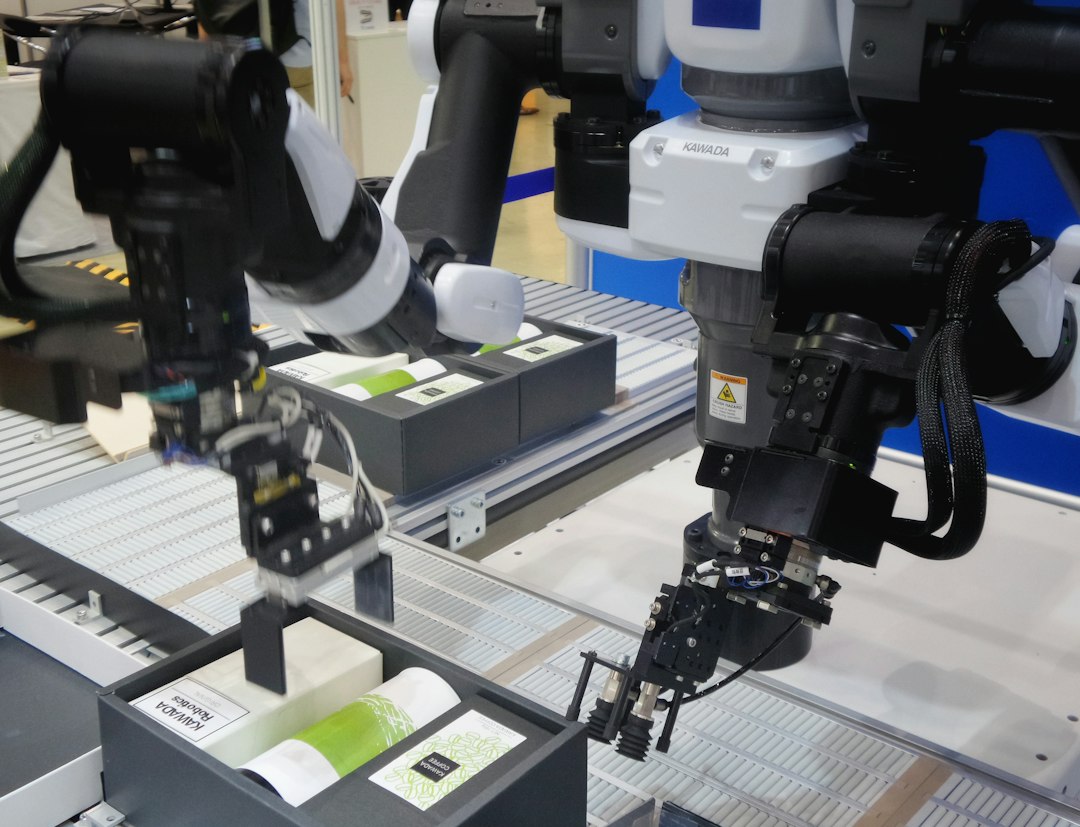
Moreover, the impact of Destro AI’s innovations extends beyond logistics. The principles of human-robot collaboration can be applied to various sectors, including manufacturing, healthcare, and retail. As companies look to automate processes, the need for seamless integration of robots into existing workflows will be paramount. Destro AI’s success in logistics could serve as a model for other industries seeking to enhance their operational efficiency through robotics.
As Destro AI prepares to showcase its technology at TechCrunch Disrupt, the industry will be watching closely. The potential for widespread adoption of its systems could redefine how businesses approach automation and human-robot collaboration. The ongoing development of AI technologies will likely shape the way robots are integrated into everyday workflows, presenting both challenges and opportunities for professionals in the field.
In this rapidly evolving landscape, the question remains: how will Destro AI’s approach influence the future of human-robot interaction across various industries? The insights gained from their pilot programs and user feedback will be crucial in shaping the next generation of robotic systems, ensuring that they meet the demands of a diverse and dynamic workforce.
The insights gained from their pilot programs and user feedback will be crucial in shaping the next generation of robotic systems, ensuring that they meet the demands of a diverse and dynamic workforce.
Frequently Asked Questions
What are the latest trends in human-robot collaboration?
Career Ahead analysis shows that the latest trends in human-robot collaboration focus on seamless integration of AI technologies to enhance operational efficiency. Companies are increasingly adopting user-centered design principles to improve the interaction between robots and human workers.
How can robotics engineers leverage AI for better integration?
Robotics engineers can leverage AI by developing systems that prioritize human input and feedback. This approach allows for the creation of more adaptable and user-friendly robotic solutions that meet the specific needs of various industries.

What skills are necessary for specialists in human-robot interaction?
You may also like
 AI & Technology
Apple’s AI Strategy Excluded from Trump’s Guest List
This absence is notable for several reasons. First, it highlights Apple's unique approach to AI compared to its competitors.
Read More →Specialists in human-robot interaction need a blend of technical skills and an understanding of human factors. This includes knowledge of AI technologies, user experience design, and the ability to analyze and adapt systems based on user feedback.