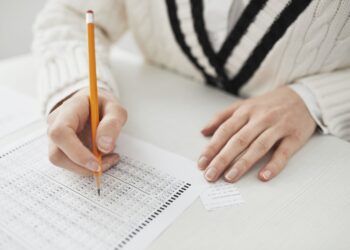
Only three Black students were admitted among 777 total offers at an elite NYC specialized high school for the 2026 class, continuing a multi-year pattern of low minority representation.
Only three Black students were admitted among 777 total offers at one elite New York City public high school, and similar enrollment patterns were observed at other specialized schools.The data, released for the 2026 academic year, highlight continued racial gaps in admissions that have persisted since at least 2018.
The New York City Department of Education released admission outcomes for the 2026 class of specialized high schools, showing that one elite school admitted 777 students with only three identified as Black [1]. The same report indicated that Hispanic enrollment at the same school remained under 5 percent of total admits [1]. The figures are part of a broader set of data covering all eight specialized high schools, including the Bronx High School of Science, for the 2026 academic year [2].
The affected parties include Black and Hispanic students and their families, the NYC Department of Education, city officials such as Mayor Eric Adams, administrators at the specialized schools, and community advocacy groups [3]. Admissions are determined by a single standardized test, the Specialized High Schools Admissions Test (SHSAT), which critics argue favors students with access to extensive test-preparation resources [3][4].
Admission Data and Historical Trends
The 2026 admission report lists 777 total offers at the highlighted school, of which three were awarded to Black applicants, representing 0.4 percent of the cohort [1]. Hispanic offers at the same institution numbered 34, or roughly 4.4 percent of total admits [1]. Comparable ratios were reported at the Bronx High School of Science, where Black admits accounted for less than 1 percent of the 2026 class [2].
Data from the NYC Department of Education show that the proportion of Black and Hispanic students admitted to specialized high schools has remained below 10 percent each year from 2018 through 2025 [2]. The 2026 figures therefore continue a multi-year pattern of low representation for these groups across the city’s elite public schools [4].
Data from the NYC Department of Education show that the proportion of Black and Hispanic students admitted to specialized high schools has remained below 10 percent each year from 2018 through 2025 [2].
Admission Process and Reported Causes
Disproportionate Admission Rates Reported at NYC Specialized High Schools for 2026
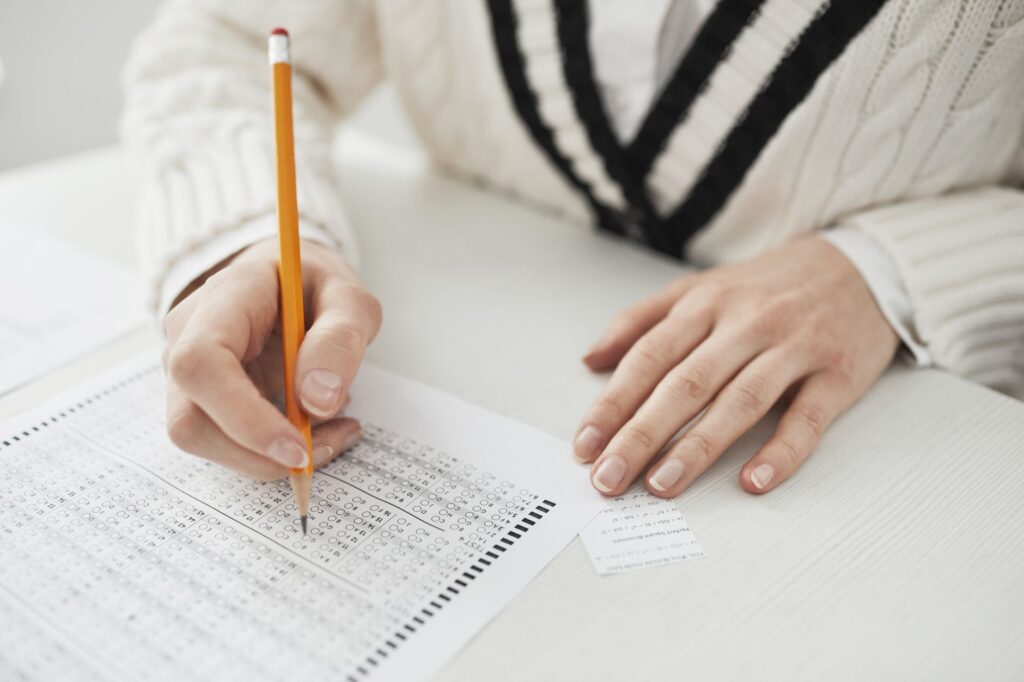
The Specialized High Schools Admissions Test (SHSAT) is administered in the spring of each year and serves as the sole criterion for admission to the eight specialized high schools [3]. The test is a multiple-choice exam covering mathematics and English language arts, with a maximum score of 800 [3].
Analyses cited by the NYC Department of Education attribute the low admission rates for Black and Hispanic students to disparities in access to test-preparation services, tutoring, and advanced coursework in middle schools [4]. The department’s own reports note that students from higher-income zip codes are more likely to enroll in private SHSAT prep programs, a factor correlated with higher admission success [2].
City officials, including Mayor Eric Adams, have acknowledged the disparity and indicated that the administration is reviewing admission policies, though no legislative changes were announced as of the release of the 2026 data [3].
Immediate Impact on Students and Institutions
The 2026 admission outcomes limit the number of Black and Hispanic students who can attend schools that historically provide higher rates of college matriculation and advanced placement opportunities [1][2]. For families, the data reinforce the need to seek alternative educational pathways, such as magnet programs or private schools, which may involve additional financial burden [4].
Educational institutions within the NYC public system are required to report enrollment demographics annually, and the latest figures may influence future funding allocations and diversity initiatives [2]. Advocacy groups have called for expanded outreach, increased funding for SHSAT preparation in underserved schools, and consideration of multiple-criteria admissions models [3][4].
The persistence of these disparities contributes to the broader pattern of segregation identified in New York City’s public schools, which remain among the most racially divided in the United States [4].
Key Facts
Educational institutions within the NYC public system are required to report enrollment demographics annually, and the latest figures may influence future funding allocations and diversity initiatives [2].
What: Only three Black students were admitted among 777 total offers at an elite NYC specialized high school in 2026.
When: Data released for the 2026 academic year; the trend extends from 2018-2025.



 News
NewsNews