No products in the cart.

Exam System Fix Lacks Power for Youth’s Future
The protests reflect a growing sentiment among Gen Z youth about the difficulties they face in achieving their career aspirations.

India’s education system is under intense scrutiny as students and parents express frustration over rising education costs and limited job opportunities. Recent protests at Jantar Mantar in Delhi highlighted the struggles of youth like Yashvardhan Kumar Mishra, who scored 92 percentile in the NEET exam but could not secure a seat in a government medical college. This situation underscores the urgent need for reforms that extend beyond merely fixing the examination system.
The protests reflect a growing sentiment among Gen Z youth regarding their career challenges. The NEET exam has become a symbol of these difficulties, exacerbated by the government’s allocation of less than 0.34% of GDP to education. Families face exorbitant private college fees that can exceed ₹1 crore for medical degrees, forcing students like Mishra to navigate a tough landscape that highlights the need for systemic changes.
Recent data from the State of Working India 2026 Report reveals that over 39% of young graduates under 25 are unemployed, starkly contrasting with the economic growth expected from an educated workforce. The alarming mismatch between the number of graduates and available jobs leaves many young people in a cycle of disappointment. Career Ahead’s analysis indicates that without addressing systemic issues, including education quality and curriculum relevance, the crisis will deepen. A report by Livemint states that the current educational framework fails to equip students with necessary skills, creating a significant gap between education and employment opportunities.
Enhancing Employability Through Skill Development
Skill development programs are essential for preparing students for the job market. Many graduates lack the practical skills employers seek, leading to high unemployment rates despite their qualifications. The current educational framework often emphasizes rote learning and exam performance over practical skills and real-world applications.
The current educational framework often emphasizes rote learning and exam performance over practical skills and real-world applications.
You may also like
 Education & University Insights
Cornell President Calls Rape Inquiry ‘Defining Moment’ for Campus | Career Outlook
Cornell University's president, Michael Kotlikoff, has labeled the ongoing rape inquiry a 'defining moment' for the institution, emphasizing the need for significant changes in campus…
Read More →Research from Career Ahead shows that integrating skill development into education can enhance employability. Programs focusing on hands-on experience and industry-relevant training can bridge the gap between education and employment. For instance, vocational training and internships should be prioritized to equip students with the skills needed to thrive in their fields. The India Tradeford report highlights the need for educational institutions to adapt their curricula to include practical skill sets that align with industry requirements.
Moreover, partnerships between educational institutions and industries can create pathways for students to gain practical experience. Such collaborations ensure that curricula remain relevant to current job market demands. By aligning educational outcomes with industry needs, students can transition more smoothly from education to employment, particularly in sectors like technology and healthcare, where rapid advancements require continuous learning and adaptation.
Transforming Education Through Industry Collaboration
Industry partnerships are crucial for transforming India’s educational landscape. Engaging with businesses allows educational institutions to tailor programs to meet job market needs. Career Ahead’s analysis shows that successful collaborations can lead to internships, job placements, and mentorship opportunities for students.
For example, tech companies are increasingly involved in shaping curricula for computer science programs, ensuring that students learn the latest technologies and practices. This approach benefits students and helps companies secure a skilled workforce. As industries struggle to find qualified candidates, educational institutions must adapt to provide necessary training. The Fischer India report emphasizes the importance of modernizing educational practices to keep pace with industry standards, which is essential for fostering a competitive workforce.
Additionally, the government can incentivize these partnerships by offering tax breaks or grants to companies that participate in educational initiatives. This financial support can encourage more businesses to engage with educational institutions. However, there are concerns about the potential commercialization of education. Critics argue that prioritizing industry needs over academic integrity could undermine education’s broader purpose. Balancing job market demands with the need for a well-rounded education is essential, ensuring graduates are employable and capable of critical thinking and innovation.
Urgent Reforms Needed for a Sustainable Future
The current educational crisis in India calls for urgent reforms that extend beyond fixing the examination system. Protests highlight youth struggles, showing that systemic changes are necessary to improve job readiness and employability for young graduates. Integrating skill development programs and industry partnerships can help bridge the gap between education and employment. However, sustained efforts and resources are essential for success. Will the government rise to the challenge and implement the needed reforms for a brighter future for India’s youth?
You may also like
 Education & University Insights
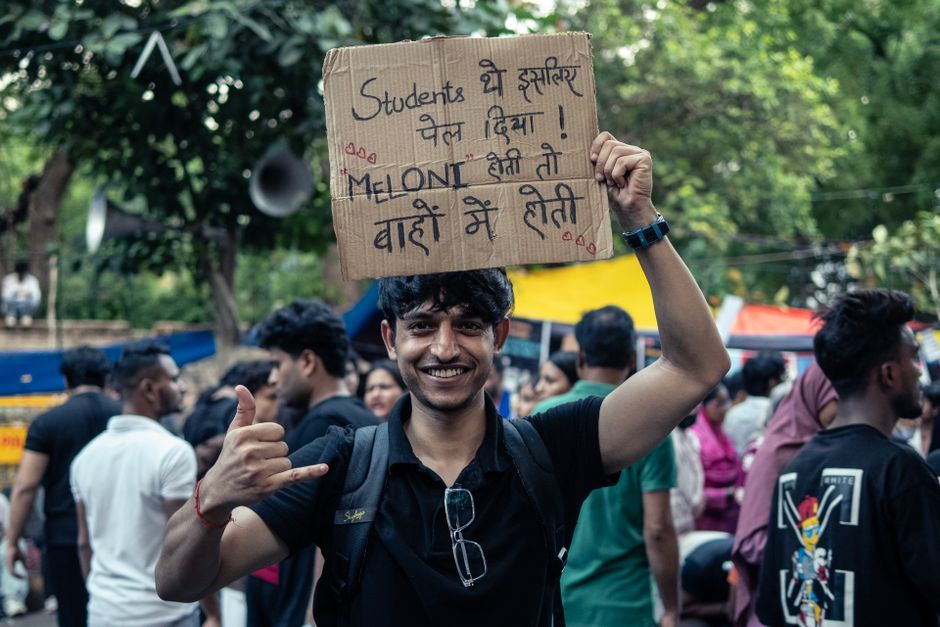
Ambedkar University Updates PhD Fellowship Guidelines
Ambedkar University has revised its PhD fellowship guidelines, easing attendance requirements following significant student protests. The changes reflect a growing trend in higher education where…
Read More →This approach benefits students and helps companies secure a skilled workforce.
Addressing Common Concerns in Education
What are the key reforms needed in India’s education system?
India’s education system needs comprehensive reforms, including increased funding for public education, integrating skill development programs, and stronger industry partnerships. These changes are essential to enhance graduate employability and address the current crisis.
How can youth career counselors support students in adapting to these changes?
Youth career counselors can provide vital guidance on skill development opportunities, helping students navigate the evolving job market and identify relevant training programs and internships that align with industry needs.
What should education policy analysts focus on to improve job readiness for graduates?
Education policy analysts should evaluate the effectiveness of current educational programs and advocate for reforms prioritizing skill development and industry collaboration. Analyzing labor market trends can inform policies that address the needs of both students and employers.