Genesis AI's recent unveiling of the GENE-26.5 model represents a pivotal moment in robotics, showcasing advanced capabilities and raising important questions about the future of work and technology.
Genesis AI has made a significant leap in the robotics sector with the introduction of its GENE-26.5 model. This full-stack approach aims to integrate AI capabilities with physical manipulation, addressing a long-standing challenge in the industry. Backed by Khosla Ventures, the startup recently demonstrated the model’s ability to perform complex tasks traditionally reserved for human hands.
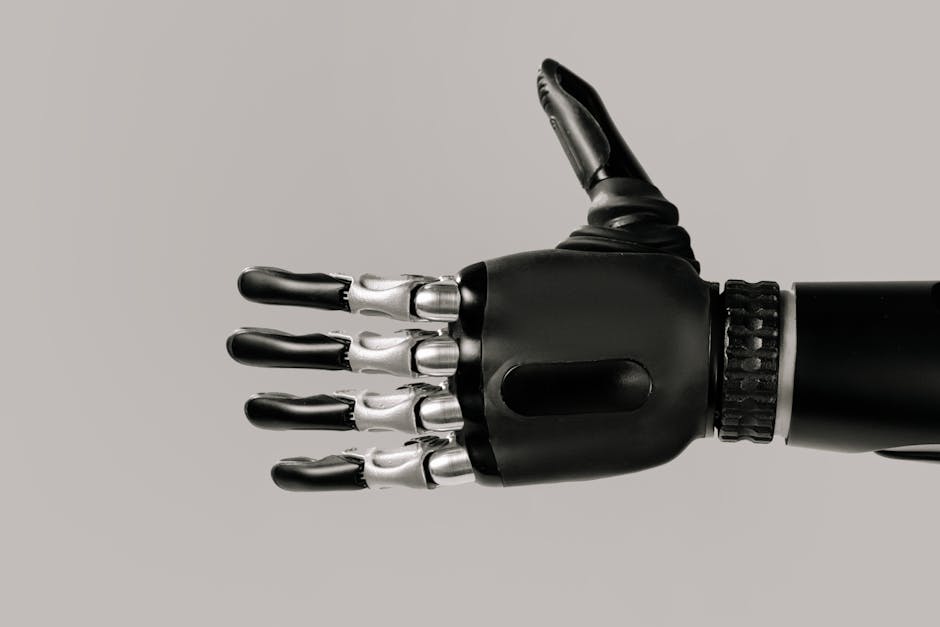
Co-founder and CEO Zhou Xian highlighted the strategic importance of developing proprietary robotic hands that mimic human dexterity. This focus on both hardware and software enhances the robots’ intelligence and functionality, allowing for extensive data collection essential for training AI systems.
The GENE-26.5 could redefine performance standards in automation, positioning Genesis AI as a leader in a competitive landscape filled with both startups and established companies.
Full-Stack Integration Explained
The “full-stack” model in robotics refers to the seamless integration of hardware and software systems. The GENE-26.5 exemplifies this by combining advanced AI algorithms with meticulously designed robotic components, enabling high levels of dexterity and precision in real-world applications.
The development of a sensor-loaded glove that mimics the robotic hand further enhances data collection, allowing for real-time insights during everyday tasks.
Demonstrations of the GENE-26.5 included tasks ranging from cooking to solving complex puzzles like the Rubik’s Cube, showcasing its versatility and potential commercial applications in sectors such as healthcare and manufacturing. The development of a sensor-loaded glove that mimics the robotic hand further enhances data collection, allowing for real-time insights during everyday tasks.
Workforce Implications of Advanced Robotics
The rise of robotics technology raises important questions about its impact on the workforce. While the GENE-26.5 may pose a threat to certain jobs, particularly in manual labor sectors, it also creates new opportunities for skilled workers in robotics development, maintenance, and operation.
As companies adopt these technologies, discussions around ethical implications, worker consent, and data privacy become increasingly critical. Employers and policymakers must ensure that the integration of robotics enhances working conditions rather than undermines them.
Navigating the Competitive Robotics Landscape
The robotics market is rapidly evolving, with numerous startups and established companies competing for dominance. Genesis AI’s full-stack solution sets it apart from competitors like Physical Intelligence and Skild AI. With $105 million in funding, Genesis AI is well-positioned to accelerate research and development, hire top talent, and expand its operations across key locations in Europe and the U.S.
This strategic geographic diversity fosters collaboration and enhances the company’s ability to respond to global market demands, further solidifying its competitive edge.
The PearX program is renowned for its selective nature, capping its cohorts at just 20 startups. This approach facilitates focused mentorship and investment opportunities from…
As companies adopt these technologies, discussions around ethical implications, worker consent, and data privacy become increasingly critical.
Addressing Ethical Concerns and Future Challenges
Despite the excitement surrounding advancements in robotics, significant ethical concerns persist. The balance between automation and employment remains a contentious issue, with debates on job displacement versus the creation of new roles requiring different skill sets.
Moreover, the potential for bias in AI algorithms and the implications of data privacy, particularly regarding the sensor-loaded glove, raise important questions. The tension between technological advancement and personal privacy must be addressed as the industry moves forward.
As Genesis AI and others continue to innovate, it will be crucial to engage stakeholders in creating policies that promote equitable benefits from robotics and AI technologies.




Entrepreneurship & Business