No products in the cart.

Geotourism’s Institutional Engine: Mapping the Uncharted Path from Geo‑heritage to Sustainable Prosperity
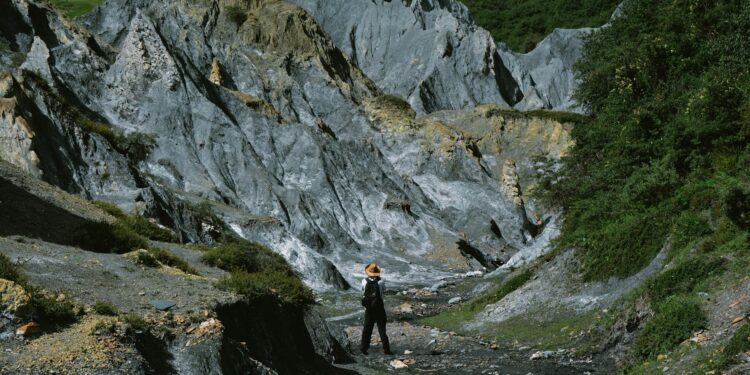
Escalating Demand for Experiential Travel and the Rise of Geotourism The post‑pandemic surge in purpose‑driven travel has translated into a measurable shift…

Geotourism is crystallizing a systemic conduit between geological assets and inclusive economic mobility, reshaping leadership roles within tourism ministries, private operators, and community cooperatives.
Escalating Demand for Experiential Travel and the Rise of Geotourism
The post‑pandemic surge in purpose‑driven travel has translated into a measurable shift in global tourism expenditures. UNWTO’s 2024 forecast projects a cumulative market value for geotourism‑linked experiences by 2025, outpacing conventional leisure segments by 12 percentage points [1]. This macro‑trend reflects a broader societal pivot toward authenticity and environmental stewardship, positioning geo‑heritage sites as high‑visibility nodes in the sustainable development agenda.
Parallel to market growth, the United Nations’ Sustainable Development Goals (SDGs) articulate a direct alignment: geotourism advances SDG 8 (Decent Work and Economic Growth) through job creation in remote locales, SDG 12 (Responsible Consumption and Production) via low‑impact visitor models, and SDG 15 (Life on Land) by channeling revenues into habitat preservation [2]. The UNESCO Global Geoparks network—now encompassing over 160 geoparks across 44 nations—exemplifies an institutional framework that converts geological endowments into measurable socioeconomic returns.
Historical precedent underscores the structural potency of place‑based tourism. The 19th‑century railway expansions in the American West catalyzed settlement patterns, yet the contemporary geotourism model diverges by embedding conservation mandates within the growth engine, thereby redefining the power dynamics between central authorities and peripheral communities.
Geoheritage as the Operational Core of Sustainable Tourism

At the heart of geotourism lies geoheritage, a classification of lithological formations, geomorphological processes, and paleontological sites that possess scientific, educational, and aesthetic value. Iconic examples—such as the Grand Canyon’s stratigraphic record and the Great Barrier Reef’s carbonate ecosystems—function as both attractors and stewardship anchors [4].
Iconic examples—such as the Grand Canyon’s stratigraphic record and the Great Barrier Reef’s carbonate ecosystems—function as both attractors and stewardship anchors [4].
The operational mechanism translates geoheritage into a tripartite governance model:
You may also like
 Entrepreneurship & Business
Wealth Surge Reshapes Hong Kong’s Finance and Tourism
Hong Kong's financial sector is booming while tourism struggles to recover from the pandemic. This duality presents unique challenges and opportunities for professionals in both…
Read More →- Regulatory Standards – UNESCO’s Geotourism Toolkit codifies environmental impact thresholds, visitor capacity limits, and heritage interpretation protocols, providing a uniform baseline for national tourism agencies [5].
- Economic Incentives – Tax credits, matched funding, and micro‑grant programs reward operators who embed low‑carbon accommodations, locally sourced food services, and community‑led guide certification.
- Participatory Oversight – Multi‑stakeholder councils—comprising municipal officials, indigenous representatives, and private investors—ensure that decision‑making authority is diffused, mitigating the “top‑down” capture that historically plagued resource‑based economies.
This framework reconfigures institutional power by granting peripheral actors formalized channels to influence policy, thereby expanding career capital for local professionals in environmental management, heritage interpretation, and tourism entrepreneurship.
Economic and Environmental Ripple Effects of Geotourism Networks
Local Economic Multipliers
Quantitative assessments of geopark economies reveal average employment growth within five years of designation, with a disproportionate uplift for women and youth in rural districts [6]. The multiplier effect extends beyond direct tourism spend: ancillary sectors—construction, agribusiness, and digital services—experience secondary demand spikes, fostering asymmetric income trajectories that elevate households above national poverty lines.
Conservation Financing
Geotourism-generated revenues have become a de facto conservation levy. In the Ngorongoro Conservation Area, park entry fees and guided‑tour surcharges fund anti‑poaching units and watershed restoration projects, delivering a conservation financing model that demonstrates a structural shift from donor‑dependent to market‑anchored environmental stewardship [7].
Systemic Risks and Mitigation
Unregulated visitation can precipitate geomorphological degradation, as evidenced by accelerated erosion on the limestone karsts of Guilin, China, where daily footfall exceeded calibrated thresholds by 45 % [8]. Institutional responses—dynamic visitor‑management dashboards, real‑time GPS monitoring, and adaptive permit systems—illustrate how data‑driven governance can convert risk into a feedback loop that refines capacity planning.
Career Pathways and Capital Formation in Geotourism Ecosystems
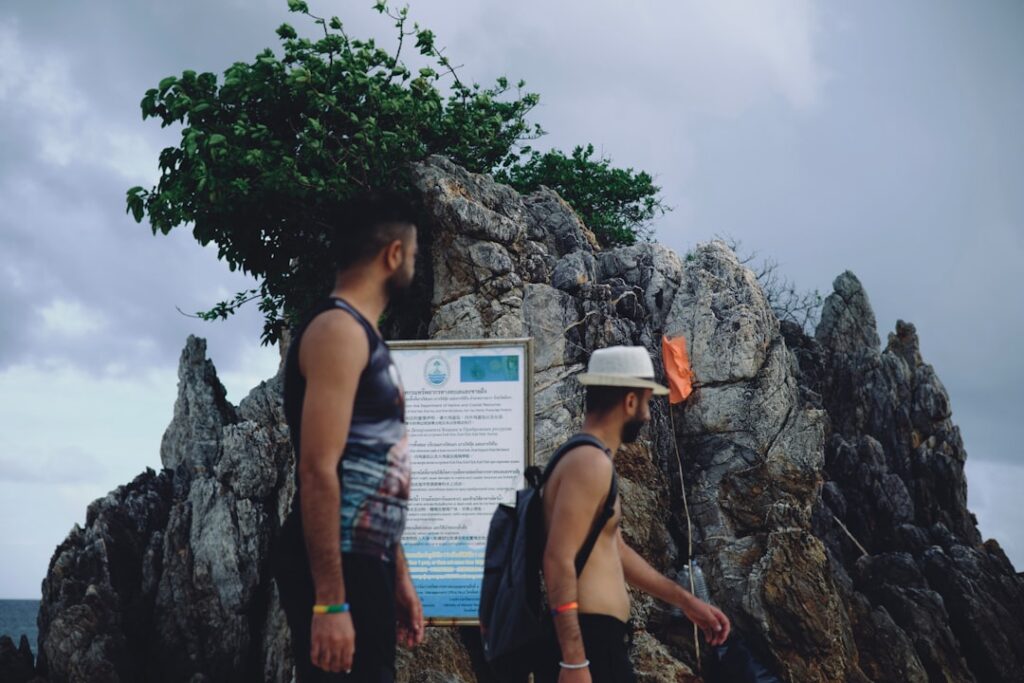
The expansion of geotourism reshapes the human capital architecture of the tourism labor market. Emerging roles include:
Geo‑Interpretive Specialists – Professionals with dual expertise in geology and public communication, recruited through university‑industry pipelines funded by UNESCO‑sponsored scholarships.
Community‑Based Enterprise Managers – Leaders who orchestrate cooperatives that own lodging, transport, and craft production, leveraging micro‑finance instruments to scale operations.
Sustainable Infrastructure Engineers – Engineers tasked with designing low‑impact trails, renewable‑energy powered visitor centers, and climate‑resilient transport corridors.
You may also like
 Entrepreneurship & Business
Gordon Ramsay’s UK Restaurants Report Losses Despite £100m Sales
Despite generating over £100 million in sales, Gordon Ramsay's UK restaurants reported significant losses, revealing operational inefficiencies that many restaurant owners can learn from. The…
Read More →Data from the International Ecotourism Society (IES) indicates that career entry points in geotourism command a salary premium over traditional hospitality roles, reflecting the premium placed on interdisciplinary expertise and the scarcity of qualified talent [9]. Moreover, the career ladder is increasingly institutionalized: certification pathways (e.g., Certified Geotourism Manager) are now recognized by national civil service cadres, embedding geotourism competencies within public sector promotion matrices.
Institutional responses—dynamic visitor‑management dashboards, real‑time GPS monitoring, and adaptive permit systems—illustrate how data‑driven governance can convert risk into a feedback loop that refines capacity planning.
The capital formation narrative extends beyond wages. Community equity stakes in tourism assets generate collective wealth accumulation, enabling intergenerational asset transfer and reducing reliance on external remittances. This structural reallocation of financial power contributes to broader economic mobility, particularly in regions historically marginalized from mainstream tourism flows.
Projected Trajectory: 2026‑2031 Institutional Shifts
Looking forward, three interlocking dynamics will define the next five years:
- Policy Convergence – The European Union’s “Geo‑Heritage Directive” (adopted 2025) will harmonize protection standards across member states, compelling national tourism ministries to embed geotourism metrics in their strategic plans. Anticipated compliance costs will stimulate a market for consultancy firms specializing in geo‑risk assessments.
- Digital Integration – Augmented‑reality (AR) platforms that overlay geological narratives onto physical sites are projected to increase average visitor spend while reducing on‑site foot traffic through virtual pre‑visits. This technology diffusion will create a new cadre of geospatial data analysts and AR content curators, shifting leadership from traditional tour operators to tech‑enabled service providers.
- Climate Adaptation Funding – The Global Climate Fund’s 2026 “Geo‑Resilience Window” earmarks funding for climate‑adaptive geotourism projects in vulnerable regions. Allocation mechanisms will prioritize proposals that demonstrate inclusive governance structures, thereby reinforcing the participatory model that underpins career capital expansion.
Collectively, these trends suggest a structural realignment wherein geotourism becomes a cornerstone of national development strategies, institutionalizing pathways for economic mobility, reshaping leadership hierarchies, and embedding sustainability into the core of tourism economics.
Key Structural Insights
[Insight 1]: Geotourism operationalizes geoheritage into a governance framework that diffuses institutional power to peripheral communities, generating asymmetric economic gains.
[Insight 2]: Market‑derived conservation financing reconfigures the funding architecture for protected areas, reducing dependence on external aid and creating resilient environmental stewardship mechanisms.
[Insight 3]: The emerging career ecosystem—anchored by interdisciplinary certification and equity‑based business models—expands career capital and facilitates upward economic mobility for historically marginalized populations.
Sources
You may also like
 Industry & Global Trends
AI Talent Race Between US and China Is the Next Battleground
The competition for AI talent between the US and China is growing, with significant implications for job opportunities and recruitment strategies in the field. The…
Read More →Exploring Applied Sustainable Strategies Through Geoheritage and Geotourism – ScienceDirect
Geotourism as an Alternative for Sustainable Development – ResearchGate
Geoheritage and Sustainable Development of Geotourism – MDPI Sustainability
Geotourism for UNESCO Global Geoparks: A Toolkit for Developing and Managing Geotourism – UNESCO
UNWTO Global Report on Experiential Travel – World Tourism Organization
Economic Impact Assessment of UNESCO Global Geoparks – UNESCO
Conservation Financing in African Geotourism Sites – Conservation International
Overtourism and Geomorphological Degradation in Guilin – Journal of Environmental Management
International Ecotourism Society Professional Outlook 2025 – IES