No products in the cart.

Harnessing the Ocean: Innovations in Marine Technology
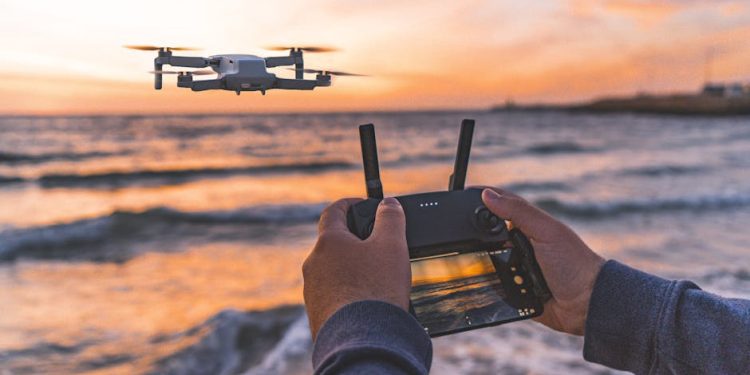
Discover how women entrepreneurs are leading the charge in ocean technology, advancing conservation and data-driven solutions for a sustainable future.

San Francisco, USA — The ocean, covering over 71% of the Earth’s surface, is a crucial resource. Yet, it faces unprecedented challenges from climate change, pollution, and overfishing. Women entrepreneurs are stepping into this space, pioneering innovations in ocean technology that promise not only to protect marine ecosystems but also to unlock new economic opportunities.
As global interest in sustainable practices grows, the role of women in ocean technology is becoming increasingly significant. According to a recent report from the United Nations, women make up less than 20% of the workforce in marine science and technology sectors. However, a wave of startups led by women is changing this narrative, leveraging advanced technologies to drive marine conservation and create sustainable ocean economies.
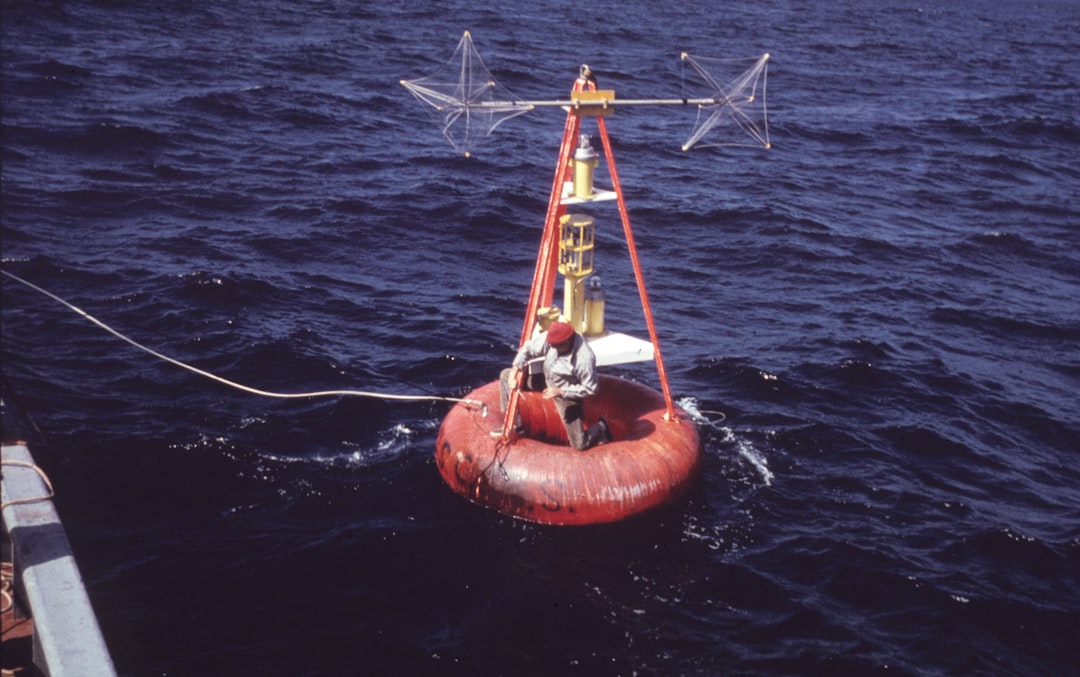
Innovative companies like Ocean Infinity, co-founded by Wendy Schmidt, are at the forefront of this movement. Ocean Infinity specializes in marine robotics and data collection, employing autonomous underwater vehicles (AUVs) to gather critical data about ocean health. Their work is essential for understanding climate change impacts and enhancing marine biodiversity.
This shift is not just about environmental responsibility; it’s a matter of economic opportunity. The global ocean economy is projected to reach $3 trillion by 2030, according to the World Bank[1]. As women entrepreneurs capitalize on this potential, they are driving innovations that can lead to sustainable job creation and economic resilience.
Their work is essential for understanding climate change impacts and enhancing marine biodiversity.
Startups like Coral Vita, co-founded by Gavin MacCallum and led by women scientists, focus on coral restoration technologies. They utilize land-based coral farming to rehabilitate damaged reef ecosystems, contributing to biodiversity and fisheries recovery. Their approach not only addresses the ecological crisis but also supports local economies reliant on healthy marine environments.
You may also like
 Government & Policy
UPI Transactions Remain Free for Users and Merchants
India's government has confirmed that the Unified Payments Interface (UPI) will remain free for users and the majority of merchant transactions, a decision that supports…
Read More →Moreover, women-led initiatives in marine data analytics are transforming how we understand ocean patterns. Companies such as Cloud to Street, co-founded by Leah McGowan, develop satellite technology to monitor environmental changes, providing vital information for policymakers and researchers. By harnessing big data, these firms enable better decision-making for ocean management and conservation efforts.
Despite the promising advancements, challenges remain. Access to funding is a significant barrier for women-led startups in ocean technology. According to a 2021 report by PwC[2], female entrepreneurs receive only 2.3% of venture capital funding, a trend that persists in the marine sector. To bridge this gap, organizations like Women in Ocean Science are advocating for increased investment in female-led initiatives, emphasizing the importance of diverse perspectives in tackling complex ocean issues.
Additionally, mentorship and networking opportunities play a crucial role in empowering women in this field. Programs that connect aspiring female entrepreneurs with seasoned professionals help cultivate the next generation of leaders in ocean technology. Initiatives like Ocean Exchange and SeaAhead are creating platforms for collaboration and innovation, fostering a community that supports women in marine entrepreneurship.
The intersection of technology and marine conservation presents an exciting frontier. As the world grapples with the realities of climate change and ecological degradation, the contributions of women entrepreneurs in ocean technology are vital. Their work is not only reshaping the landscape of marine science but also redefining economic possibilities for coastal communities.
Additionally, mentorship and networking opportunities play a crucial role in empowering women in this field.
Forward-looking insights suggest that as ocean technologies advance, the roles of women will continue to expand. The integration of artificial intelligence, machine learning, and blockchain into marine industries is on the rise, paving the way for new solutions to age-old problems. For instance, AI-driven predictive models can enhance fishery management and conservation efforts, ensuring sustainable practices that benefit both the environment and local economies.
Ultimately, the future of ocean technology hinges on inclusivity and innovation. As women lead the charge in this dynamic field, their impact will resonate far beyond the waves. The question remains: how will we support and amplify these voices to ensure a sustainable, equitable future for our oceans?
You may also like
 Government & Policy
SEBI Flags 20,000 Fraudulent Posts Influencing Investors
SEBI’s Project Sudarsan employs advanced artificial intelligence to continuously monitor and analyze various forms of content across social media platforms.
Read More →