No products in the cart.

High airfares may stay even if fuel prices fall
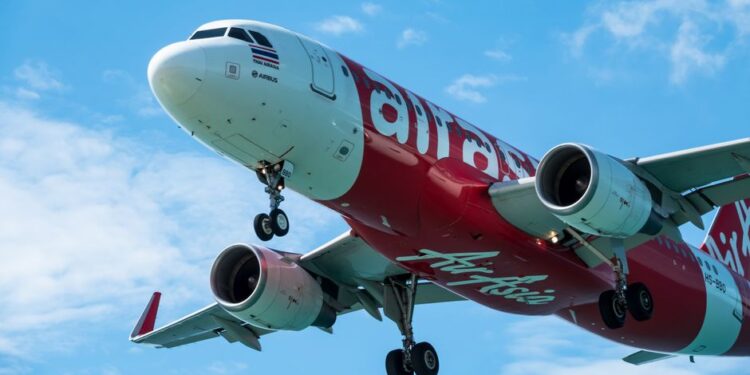
As airlines grapple with fluctuating fuel costs, the disconnect between fuel prices and ticket prices becomes evident. High airfares are expected to persist, even if jet fuel prices decline, due to cautious pricing strategies and operational adjustments.

U.S. airlines are facing a challenging landscape as high airfares are expected to persist, even if jet fuel prices decline. This situation arises from a combination of factors, including airlines’ cautious pricing strategies and adjustments in flight schedules. The implications for revenue managers and travel industry analysts are significant, as they must navigate these complexities to optimize pricing models and consumer demand.
As airlines grapple with fluctuating fuel costs, the disconnect between fuel prices and ticket prices becomes evident. For instance, while the price of jet fuel has seen dramatic shifts, airfares have not adjusted in tandem. According to the Economic Times, the price of jet fuel shot up after the Iran war began and retreated sharply in the spring before surging again as the summer went on. This volatility complicates airlines’ pricing strategies, as they are hesitant to lower ticket prices immediately, even when fuel costs decrease. This lag in pricing adjustments can create challenges for revenue managers, who must anticipate market conditions and consumer behavior when setting prices.
Understanding the Disconnect Between Fuel Prices and Airfares
Airlines typically plan their schedules and pricing several months in advance. This means that even when fuel prices drop, airlines may not immediately lower ticket prices. As reported, the Argus U.S. Jet Fuel Index fell significantly, yet average airfares remained high. For example, the average fare rose from $405 in late 2025 to $436 in the second quarter of 2026, despite fluctuations in fuel costs. The Economic Times also highlights that sustained relief for travelers may take months even if energy prices stabilize, indicating that the high airfares are not merely a short-term phenomenon.
Airlines must consider not only current fuel prices but also anticipated future costs when setting fares.
You may also like
 Industry & Global Trends
Divergent Targets Faster, Cheaper Defense Production
Divergent Technologies is set to revolutionize defense manufacturing through advanced technologies like 3D printing, aiming to enhance efficiency and reduce costs.
Read More →Career Ahead’s analysis finds that this delay in fare adjustments is primarily due to the volatility of fuel prices and the airlines’ operational planning cycles. Airlines must consider not only current fuel prices but also anticipated future costs when setting fares. This cautious approach can lead to prolonged periods of high airfares, even when fuel prices stabilize. Furthermore, airlines are currently cutting less-profitable flights in response to high operational costs. This strategy can inadvertently lead to higher prices for remaining flights, as fewer options are available for consumers. For instance, airlines like United and American have announced schedule cuts, particularly on routes that are less profitable, which can further drive up prices for travelers.
Travel analysts emphasize that the current pricing environment is not just about fuel costs but also about airlines’ broader financial strategies. With passenger revenue initially covering only part of the soaring fuel costs, airlines are now faced with the challenge of balancing profitability with competitive pricing. As a result, travelers may encounter some of the highest airfares in a decade, particularly during peak travel seasons. The Economic Times notes that high airfares could stick around even if jet fuel prices fall, as airlines adjust schedules and ticket prices only gradually after sharp swings in fuel costs.
The Long-Term Implications for Revenue Management
For airline revenue managers, understanding the implications of these pricing strategies is crucial. The slow adjustment of airfares to changing fuel costs means that revenue managers must be adept at forecasting and modeling different scenarios. They need to anticipate how long high airfares may persist and how changes in fuel prices could influence consumer demand. Career Ahead research indicates that revenue managers should focus on developing dynamic pricing models that can adapt to rapid changes in fuel costs and consumer behavior. This approach will allow airlines to respond more effectively to market conditions, potentially mitigating some of the adverse effects of prolonged high airfares.
Additionally, travel industry analysts should monitor trends in consumer behavior closely. For example, as airfares rise, travelers may shift their purchasing habits, opting for earlier bookings or seeking alternative travel methods. Understanding these trends will be key for analysts in providing insights to airlines on how to adjust their strategies accordingly. Moreover, with holiday travel costs already reaching new heights, airlines must consider how seasonal demand will affect their pricing strategies. Analysts from travel-booking companies have noted significant increases in average round-trip fares for holiday travel, which could indicate a shift in consumer expectations regarding airfare pricing.
You may also like
 Industry & Global Trends
AI Talent Race Between US and China Is the Next Battleground
The competition for AI talent between the US and China is growing, with significant implications for job opportunities and recruitment strategies in the field. The…
Read More →The current landscape suggests that airlines will remain cautious in their pricing strategies, even if fuel prices decrease. As airlines navigate these uncertain waters, they must balance the need for profitability with the expectation of competitive pricing from consumers. The outcome of this balancing act will be critical in determining how long high airfares persist. Travelers should prepare for continued high costs, particularly during peak travel seasons, as airlines adjust their schedules and pricing strategies. The implications for revenue managers and analysts are clear: there is a need for proactive strategies that account for both fuel price volatility and shifting consumer behavior.

Career Ahead research indicates that revenue managers should focus on developing dynamic pricing models that can adapt to rapid changes in fuel costs and consumer behavior.
As airlines continue to refine their approaches to pricing amid fluctuating fuel costs, industry stakeholders will be watching closely. The question remains: how will airlines adapt their strategies in response to ongoing fuel price changes and consumer demand fluctuations? The answers to this question will shape the future of airline pricing in a rapidly evolving market.
Frequently Asked Questions
How can airline revenue managers adapt to persistent high airfares?
Career Ahead analysis shows that airline revenue managers can adapt by developing dynamic pricing models that account for fuel price volatility and changing consumer preferences. This flexibility will enable them to respond quickly to market conditions and optimize revenue.
What trends should travel industry analysts watch regarding airfare pricing?
Travel industry analysts should monitor consumer booking behaviors, especially during peak travel seasons, as well as the relationship between fuel costs and airfares. Recognizing these trends will help analysts provide valuable insights to airlines on pricing strategies.

What strategies should airline companies implement in response to fluctuating fuel prices?
Airline companies should focus on adjusting their flight schedules and pricing strategies based on fuel price trends. Implementing flexible pricing models and closely monitoring market conditions will be essential for maintaining competitiveness in a fluctuating environment.
You may also like
 Industry & Global Trends
Hormuz Crude Oil Exports Near Pre-War Levels
The return to pre-war export levels is crucial as it indicates a stabilization in the oil market. Producers and shipping industries have adapted by employing…
Read More →