No products in the cart.

How AI Is Redefining Creativity in the Digital Age
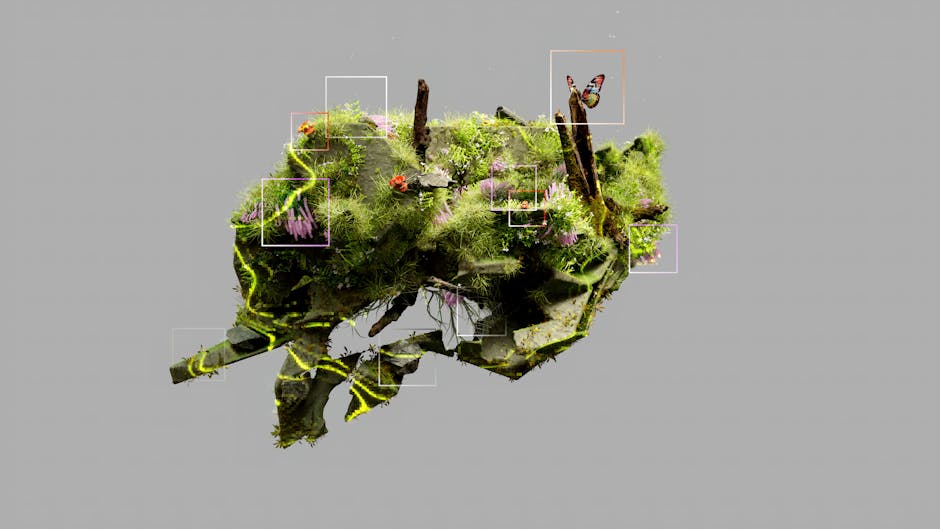
AI is transforming creativity, influencing how art and writing are produced. This feature examines its impact and future implications.

San Francisco, USA — artificial intelligence (AI) is reshaping the landscape of creativity, challenging traditional definitions of art and originality. with the rise of generative tools like openai‘s DALL-E and chatgpt, artists and writers are exploring new frontiers, prompting debates about the essence of creativity itself.
This shift matters now more than ever as industries grapple with the implications of AI on human creativity. As technology evolves, so too must our understanding-gen-zs-sensitivity/” class=”ca-internal-link”>understanding of artistic expression and intellectual property.
<figure class=”aligncenter”><img src="https://careeraheadonline.com/wp-content/uploads/2025/11/Q_6BS8IN0J8-1.jpg” alt=”How AI Is redefining creativity in the digital Age” loading=”lazy” />generative AI tools are not just augmenting creativity; they are fundamentally altering the creative process. For instance, DALL-E can create images from text prompts, allowing anyone to visualize concepts without traditional artistic skills. Similarly, chatgpt can assist in writing, providing suggestions that can inspire or even complete narratives. this democratization of creativity raises questions about authorship and the value of human touch in art and literature.
 Fashion
The Future of Fashion Supply Chains
Discover how transparency, traceability, and blockchain integration are transforming the fashion supply chain, enhancing sustainability and consumer trust.
Read More →The implications are vast. according to a report by McKinsey, the AI market is expected to reach $126 billion by 2025, with creative industries positioned to benefit significantly from these advancements [1]. As businesses integrate AI into their workflows, the need for human oversight and emotional depth in creative endeavors remains crucial.
As businesses integrate AI into their workflows, the need for human oversight and emotional depth in creative endeavors remains crucial.
AI’s impact is evident across various sectors. In visual arts, artists like Refik Anadol are using AI to create immersive installations that blend data and aesthetics, challenging viewers’ perceptions of what art can be. In writing, authors are collaborating with AI to generate plot ideas, character development, and even entire chapters, blurring the lines between human and machine creativity.
However, this evolution is not without controversy. Critics argue that reliance on AI could lead to a homogenization of creativity, where unique voices are drowned out by algorithmically generated content. A survey by the creative industries Federation found that 62% of creatives are concerned about AI’s potential to replace traditional artistic roles [2]. this highlights a growing tension between innovation and preservation of the human touch in creative processes.
Moreover, issues of copyright and ownership arise as AI-generated works flood the market. The U.S. Copyright office has yet to establish clear guidelines on the ownership of AI-generated art, creating uncertainty for artists and consumers alike [3]. As legal frameworks struggle to keep pace with technological advancements, artists must navigate a complex landscape to protect their rights.
 Business
Noel Tata Appointed as Chairman of Tata Trusts: A New Era of Leadership
Noel Tata appointed chairman of Tata Trusts, marking a new leadership phase focused on healthcare, nutrition, and scalable social initiatives.
Read More →despite these challenges, many see AI as a tool for enhancing creativity rather than a replacement. The potential for collaboration between humans and machines opens new avenues for artistic exploration. For instance, musicians are using AI to create innovative soundscapes, while filmmakers are employing AI for script analysis and storyboarding. this synergy can lead to groundbreaking works that push the boundaries of creativity.
looking ahead, the relationship between AI and creativity will likely evolve further. As generative tools become more sophisticated, they may offer even greater personalization and adaptability, allowing creators to tailor outputs to their unique styles. The future may see AI functioning as a co-creator, enhancing human creativity rather than supplanting it.
As legal frameworks struggle to keep pace with technological advancements, artists must navigate a complex landscape to protect their rights.
Ultimately, the ongoing dialogue about AI’s role in creativity will shape the future of artistic expression. As we embrace these tools, it is essential to maintain a critical perspective on their implications for originality and authenticity. The challenge lies in harnessing AI’s potential while preserving the human elements that make creativity truly unique.
 Career Advice
Ultraloq Introduces Advanced Smart Lock with Facial and Palm Authentication
Ultraloq's new smart lock offers enhanced security with face and palm vein authentication, providing a seamless entry experience.
Read More →