Impact of Hormuz Strait Disruptions on Oil Pricing
Disruptions in the Hormuz Strait are projected to significantly impact oil prices through the end of the year, prompting OPEC+ to consider adjustments to its strategies. Analysts emphasize the importance of understanding these dynamics for the oil market.
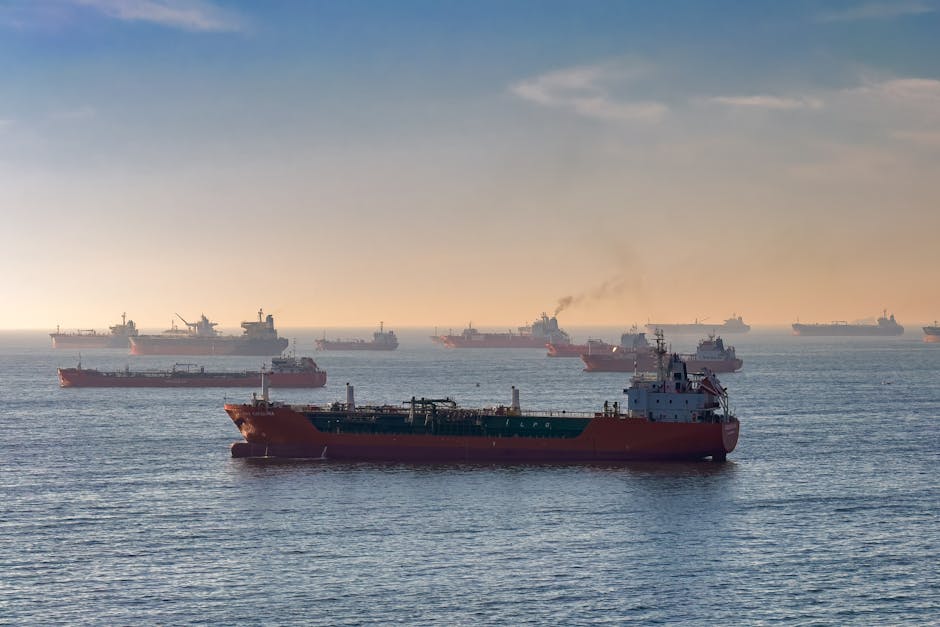
Disruptions in the Hormuz Strait, a vital route for global oil shipments, are expected to have a profound impact on oil prices through the end of the year. Analysts attribute these interruptions to escalating geopolitical tensions and logistical challenges, raising concerns about the stability of the oil supply chain.
The Hormuz Strait is crucial for transporting approximately 20% of the world’s oil supply. Recent assessments indicate that ongoing disruptions could lead to a significant increase in oil prices, affecting both consumers and businesses reliant on oil. Market analysts and energy economists are closely monitoring these developments to gauge their implications.
Geopolitical Tensions and Oil Market Stability
The geopolitical landscape surrounding the Hormuz Strait has become increasingly unstable. Heightened tensions among regional powers have raised security risks for shipping routes. According to an analysis by lsba.org.uk, these disruptions are anticipated to persist through the year, likely resulting in sustained increases in oil prices.
Historically, OPEC+ has played a crucial role in stabilizing oil prices during periods of disruption. However, the current situation presents unique challenges. The organization faces pressure to balance production levels while managing potential price spikes resulting from supply shortages. Research indicates that if disruptions continue, OPEC+ may need to adjust its output strategy to respond effectively to market conditions.
As oil prices rise, inflationary pressures are also expected to increase. Consumers may face higher costs for gasoline and other oil-based products, which could have broader economic ramifications, particularly in countries that heavily rely on oil imports.
Research indicates that if disruptions continue, OPEC+ may need to adjust its output strategy to respond effectively to market conditions.
In light of these developments, energy economists are tasked with forecasting the potential impacts on global oil markets. According to meegle.com, the disruptions could prompt importing nations to reevaluate their energy policies, potentially leading to long-term changes in energy sourcing strategies.
OPEC+ Response to Supply Chain Challenges
OPEC+ is acutely aware of the challenges posed by the disruptions in the Hormuz Strait. The organization is exploring various strategies to mitigate the impact on oil prices. Analysis suggests that OPEC+ may need to take proactive measures, such as adjusting production quotas or enhancing dialogue among member nations to formulate a unified response.
As reported by datacalculus.com, the current disruptions underscore the necessity for flexibility in oil production strategies. OPEC+ countries may need to adopt agile approaches to production based on real-time market conditions, which could involve temporary production cuts or increases depending on the latest supply chain assessments.
The Federal Reserve's recent hawkish stance and September rate hike have significant implications for financial analysts and investment managers. Understanding these changes is crucial for…
Furthermore, OPEC+ might consider partnerships with oil-producing nations outside the alliance. Collaborations with countries in Africa or South America could help stabilize global oil prices, allowing for shared resources and reducing reliance on volatile Middle Eastern supply chains.
The effectiveness of these strategies will be critical for energy market forecasts.
The effectiveness of these strategies will be critical for energy market forecasts. Analysts predict that as OPEC+ adapts to ongoing disruptions, the oil market may experience price fluctuations that could affect both short-term and long-term economic conditions.
Economic Implications of Rising Oil Prices
The ongoing situation in the Hormuz Strait presents significant economic implications. Analysts are closely watching for signs of de-escalation in geopolitical tensions, which could alleviate pressure on the oil market. However, if disruptions persist, oil prices are likely to continue rising, impacting global economies.
The near-term economic consequences could be substantial. Energy economists predict that if oil prices keep climbing, consumer spending may decline as households allocate a larger portion of their budgets to fuel costs. This shift could lead to slower economic growth, particularly in nations that heavily depend on oil imports.
This ongoing situation may also accelerate the transition to alternative energy sources. Countries might prioritize investments in renewable energy to reduce their reliance on oil. Analysts suggest that this transition could reshape the energy landscape in the coming years, especially if oil prices remain elevated.
Frequently Asked Questions
What are the implications of Hormuz disruptions on oil supply?
Ongoing disruptions in the Hormuz Strait could lead to significant supply shortages, which is critical for both consumers and industries that rely on stable oil supplies.
Ongoing disruptions in the Hormuz Strait could lead to significant supply shortages, which is critical for both consumers and industries that rely on stable oil supplies.
Sequoia Capital and Nvidia's $60 million investment in Mecka AI is set to transform the robotics job market, creating new opportunities for skilled professionals in…
How should energy economists adjust their forecasts based on current events?
Energy economists need to incorporate the latest data on geopolitical tensions and supply chain disruptions to ensure accurate market predictions.
What strategies can oil market analysts employ to mitigate risks from supply chain disruptions?
Oil market analysts should focus on real-time data analysis and engage in scenario planning, emphasizing flexibility in production strategies to navigate ongoing disruptions.
Written by Career Ahead AI. AI can make mistakes, so verify key facts. Report errors to support@careeraheadonline.com.
Career Ahead AI is Career Ahead Magazine's in-house AI newsroom, reporting on careers, education, jobs and business. It produces original summaries and analysis drawn from publicly available sources, with those sources credited, and operates under the editorial oversight of the Career Ahead team. AI can make mistakes, so please tell us when something looks wrong. Corrections, copyright or takedown requests…
Global research shows nearly half of young adults now phub their friends and partners—substituting screens for trust, intimacy, and real connection. The…
Matcha lattes, smartwatch metrics, and chlorophyll shots are the new badges of ambition for India’s under-35s. But can conspicuous health spending solve…


 Industry & Global Trends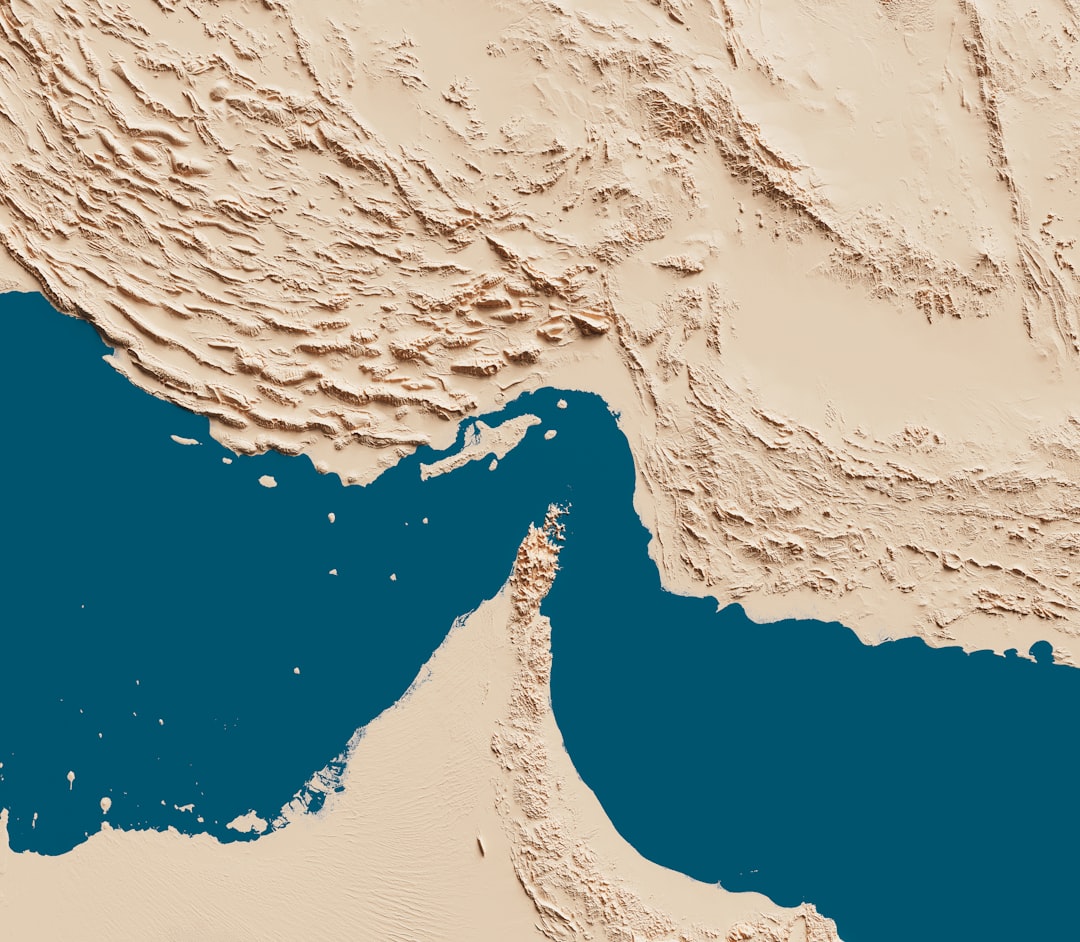
Industry & Global Trends