No products in the cart.

Impact of Immigration Crackdown on US Labor Market

A recent study reveals that US immigration policies are adversely affecting American workers, particularly in construction and other key industries, reshaping labor dynamics and hiring practices.

Impact of Immigration Policies on Labor Availability
A recent study by the National Bureau of Economic Research highlights the negative effects of the US immigration crackdown on American workers. Policies enacted during the Trump administration aimed at reducing illegal immigration have inadvertently led to job losses in sectors like construction, which heavily relies on immigrant labor.
The study indicates that the decline in immigrant workers has resulted in labor shortages, compelling some companies to raise wages to attract local talent. However, this approach is not sustainable for many businesses, leading to project delays and increased operational costs.
Moreover, the study reveals that US-born workers are also affected. In regions where immigrant labor has diminished, competition for available jobs has intensified, making it harder for American workers to secure employment. This trend raises concerns about the long-term implications of current immigration policies on the labor market.
Economic Consequences of Labor Shortages
The repercussions of the immigration crackdown extend beyond individual industries, particularly affecting the construction sector, a vital component of the US economy. Delays in construction projects can hinder economic growth, impacting housing availability and infrastructure development.
According to EducationUSA, the construction industry depends on a diverse workforce, including many international workers. The absence of these workers may lead to increased costs for materials and labor, which businesses might pass on to consumers, resulting in higher prices for goods and services.
Delays in construction projects can hinder economic growth, impacting housing availability and infrastructure development.
As companies face labor shortages, some are investing in technology to automate tasks traditionally performed by immigrant workers. While this may enhance efficiency, it raises concerns about job displacement for American workers, highlighting the need for a balance between automation and workforce requirements.
Adapting Workforce Strategies
The shift in immigration policy has prompted many companies to reassess their hiring practices. With fewer immigrant workers available, businesses are increasingly focused on attracting local talent, necessitating new training and development initiatives.
As noted by Study in the States, educational institutions play a crucial role in equipping the workforce for these changes. Community colleges and vocational schools are becoming essential for providing training in high-demand skills, potentially creating new opportunities for American workers.
However, a significant skills gap exists, as local candidates may lack the qualifications needed for many available positions. This mismatch could lead to heightened competition for training resources and increased educational costs, complicating the workforce landscape further.
Policy Debates and Economic Needs
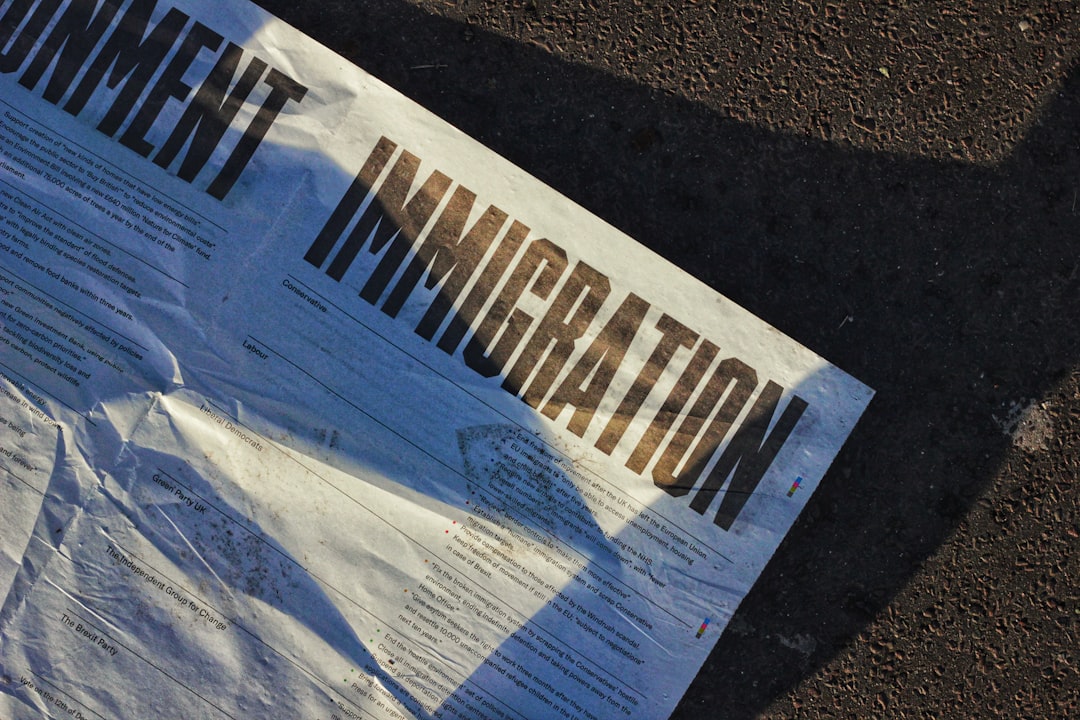
The ongoing discussions surrounding immigration policy continue to influence the US labor market. Lawmakers face the challenge of balancing national security concerns with the economic needs of the country. As the effects of current policies become more evident, there is increasing pressure to reconsider immigration approaches.
You may also like
 Government & Policy
Why do I have to pay for buses if
As public transport systems increasingly adopt digital payment methods, users without smartphones are at a disadvantage. A letter from a concerned citizen in Scotland noted…
Read More →As noted by Study in the States, educational institutions play a crucial role in equipping the workforce for these changes.
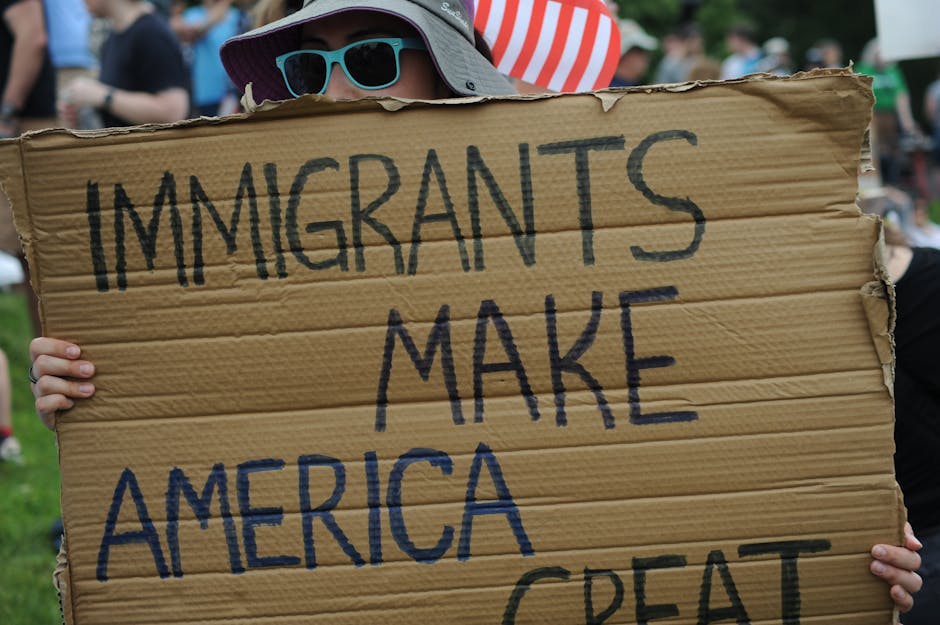
Advocates for reform argue for a more flexible immigration system that facilitates the entry of workers in high-demand sectors, which could help alleviate labor shortages and bolster economic growth. However, any changes must carefully consider the potential impacts on both American and immigrant workers.
Implications for Emerging Professionals
The ramifications of immigration policy are particularly significant for young professionals entering the job market. As labor dynamics evolve, the opportunities available may shift, necessitating new skills and adaptability.
For recent graduates and job seekers, understanding which industries are most affected by these policies can inform their career choices. Fields such as construction and technology may see increased demand for local talent, while others may encounter challenges. Staying informed about these trends is crucial for making educated decisions regarding education and career paths.