No products in the cart.

India, MERCOSUR to expand preferential trade agreement signed in 2009
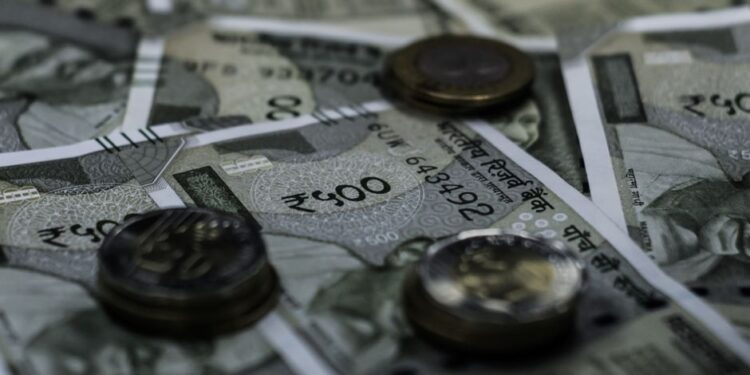
India and MERCOSUR are set to expand their preferential trade agreement, aiming to enhance economic relations and open new markets for Indian exports. The agreement's expansion will address tariff structures and logistics, presenting both opportunities and challenges for exporters.

India and MERCOSUR plan to expand their preferential trade agreement (PTA) from 2009. This announcement came from India’s Union Commerce Minister Piyush Goyal and Uruguay’s Foreign Affairs Minister Mario Lubetkin on September 14, 2026. The goal is to improve economic relations and create more opportunities for private sectors in both regions.
The current PTA covers about 450 tariff lines from India and 452 from MERCOSUR. Tariff concessions range from 10% to 100%. However, experts say the agreement’s scope is limited because it excludes services. The discussions for expansion will redefine the terms of reference (ToR) to broaden the agreement’s coverage. A report from the Financial Express states that the expanded agreement could boost bilateral trade, which reached $17.48 billion in fiscal year 2024-25. India exported $8.12 billion worth of goods to MERCOSUR countries during this period.
New Markets for Indian Exports
The expanded agreement is expected to open new markets for Indian goods in MERCOSUR countries like Argentina, Brazil, Paraguay, and Uruguay. Career Ahead’s analysis shows this could greatly increase India’s export volumes to these nations. Export managers can expect higher demand for Indian products that fit MERCOSUR’s market needs. The agreement aims to make trade processes smoother and reduce barriers that have hindered growth. Indian exporters could find new opportunities in sectors like pharmaceuticals, textiles, and agricultural products.
Career Ahead’s analysis shows this could greatly increase India’s export volumes to these nations.
Additionally, signing a new protocol for electronic certificates of origin is a significant step. This move will modernize trade practices by streamlining customs procedures and reducing paperwork. It will help exporters navigate regulations more easily. The Drishti IAS report highlights that this modernization is crucial for improving trade efficiency, especially in a region with many bureaucratic hurdles.
You may also like
 Industry & Global Trends
Etched fields funding offers at $40B+ valuation, sources say
Etched Fields is in talks for funding offers valuing the company at over $40 billion, reflecting a significant shift in the funding landscape for AI…
Read More →While the expansion brings opportunities, export managers must also prepare for challenges in new markets. Cultural differences, regulatory complexities, and logistical inefficiencies remain significant hurdles. Export managers will need tailored strategies to overcome these challenges and maximize market penetration. Understanding local consumer preferences and market dynamics will be essential for Indian exporters to successfully position their products in MERCOSUR markets.
Changes in Tariff Structures and Trade Dynamics
As India and MERCOSUR negotiate the expanded agreement, changes in tariff structures will be crucial. Current tariffs on Indian exports to MERCOSUR vary widely, and the expansion may lead to further reductions. Career Ahead research indicates that lower tariffs will enhance the competitiveness of Indian goods in MERCOSUR markets. The Financial Express notes that reduced tariffs could allow Indian exporters to offer more competitive prices, increasing their market share.
Export managers must understand the new tariff structures for pricing strategies and cost management. Lower tariffs mean Indian exporters can offer more attractive prices, boosting their market share in MERCOSUR countries. This could help balance trade, as India has historically faced a trade deficit with MERCOSUR. As the agreement moves toward a comprehensive free trade agreement (FTA), Indian services in MERCOSUR markets may also expand. This could open doors for Indian companies in sectors like IT and consulting, diversifying export opportunities.
Export managers must understand the new tariff structures for pricing strategies and cost management.
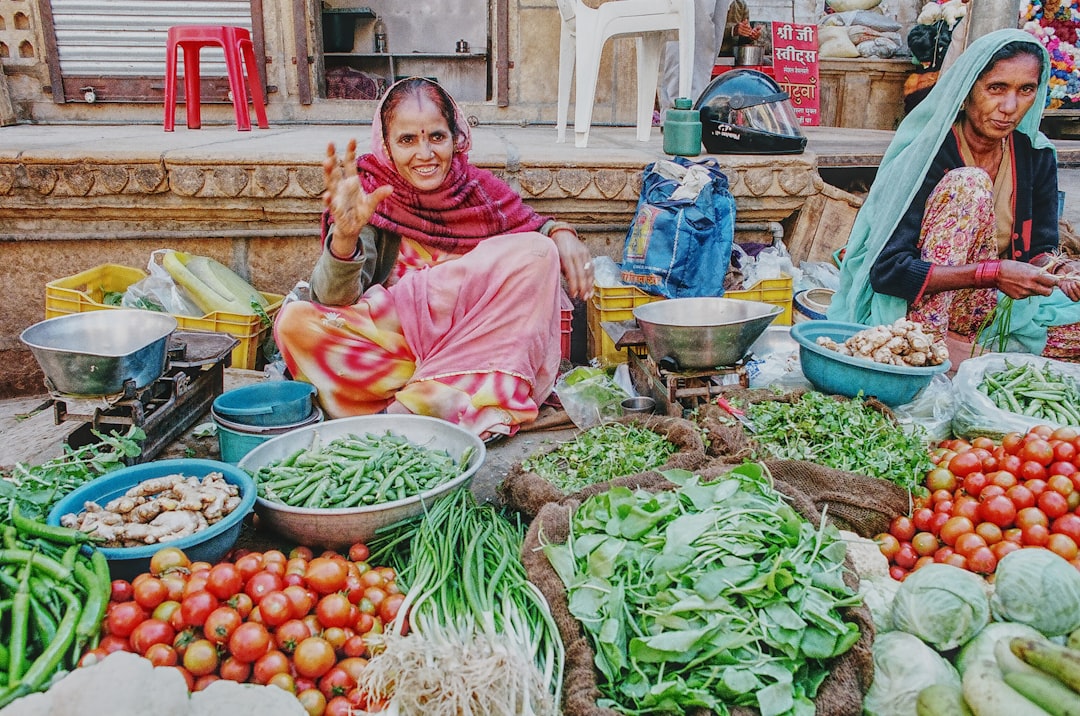
The shift in tariff structures means export managers need to stay informed about changing trade regulations. Keeping up with these changes will help them navigate international trade complexities. This knowledge is vital for making informed decisions on production and logistics planning. Export managers should also consider how tariff changes affect their supply chain strategies, as adjustments may be necessary to optimize costs and enhance competitiveness.
Moreover, the trade agreement’s expansion will impact supply chain management and logistics for Indian exporters. Current logistical challenges, such as high transportation costs and inefficient customs procedures, have been significant barriers to trade. The new agreement aims to address these issues by streamlining processes and enhancing cooperation between customs authorities. Career Ahead’s analysis shows that improved logistics will be vital for export managers as they adapt to new market dynamics. Efficient supply chain management will allow exporters to respond quickly to market demands and reduce lead times, especially in sectors where timeliness is critical, like perishable goods.
You may also like
 Industry & Global Trends
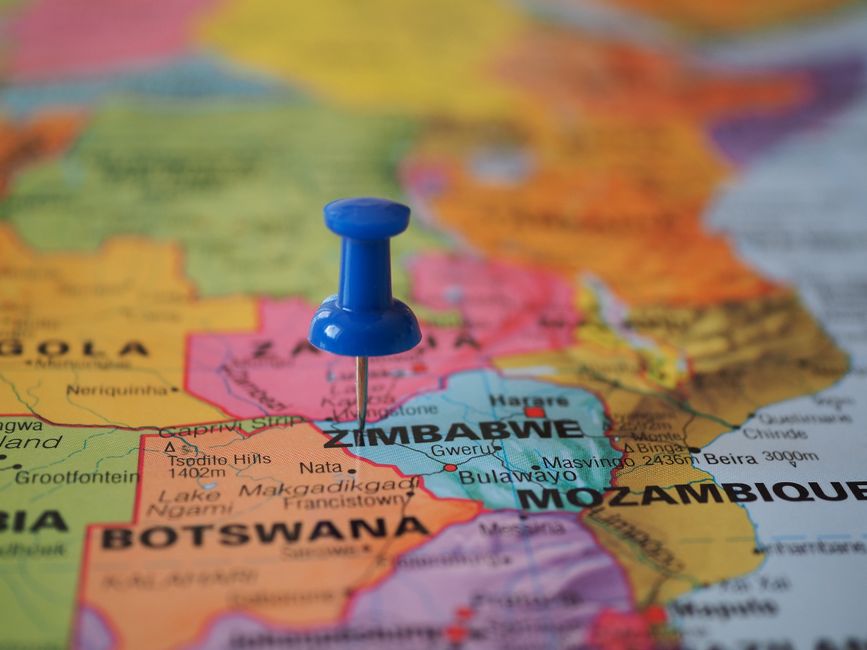
Zimbabwe Central Bank Eyes NPCI Deal for Digital Payments
Zimbabwe's Central Bank is pursuing a partnership with India's NPCI to enhance digital payments, aiming to modernize banking infrastructure and improve financial inclusion. This collaboration…
Read More →In summary, while the expanded trade agreement offers significant opportunities for Indian exporters, it also requires careful planning in supply chain management. Export managers must proactively address logistical challenges and optimize operations to succeed in the new landscape. The expansion of the India-MERCOSUR trade agreement marks a pivotal moment for export managers as they navigate new opportunities and challenges. As negotiations progress, the implications for trade dynamics, tariff structures, and logistics will become clearer, shaping the future of India’s exports to the MERCOSUR region.