No products in the cart.

India-New Zealand Trade Deal Boosts Export Tariffs
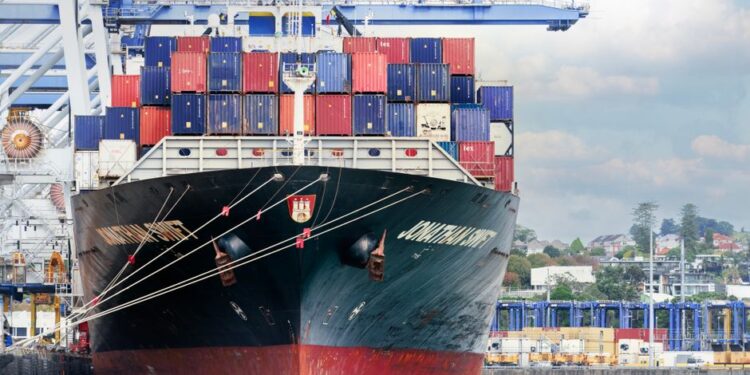
New Zealand’s Parliament has approved a trade deal with India that will eliminate tariffs on 95% of exports, marking a significant shift in trade relations and enhancing economic cooperation between the two nations.

New Zealand’s Parliament recently approved a trade deal with India. This deal will eliminate tariffs on 95% of exports. It marks a significant shift in trade relations between the two countries. The agreement is expected to take effect in October 2026. It aims to enhance trade and investment opportunities, especially in agriculture.
The free trade agreement (FTA) was signed on April 27, 2026, after extensive negotiations. It aims to boost trade in goods and services. This will allow New Zealand exporters to access India’s vast market of 1.4 billion consumers. The deal passed with a vote of 93-29, showing broad political support across party lines in New Zealand.
New Zealand’s Prime Minister Christopher Luxon praised the agreement as a “once-in-a-generation” deal. He believes it will create jobs and increase incomes in New Zealand. The pact will allow duty-free access across 100% of tariff lines from New Zealand to India. India will reduce tariffs on about 70% of its tariff lines, covering approximately 95% of trade value between the two nations.
Tariff Reductions and Market Opportunities
Under the new agreement, New Zealand’s exporters will benefit immediately. From day one, 57% of their exports to India will be duty-free. This will significantly impact sectors like kiwifruit, which expects to save about NZ$125 million in tariffs over the next five years. For Indian exporters, the deal opens opportunities in textiles, leather, gems and jewelry, engineering goods, processed foods, ceramics, carpets, and automobiles.
Career Ahead’s analysis shows that lower tariffs will help Indian exporters compete better in New Zealand.
Career Ahead’s analysis shows that lower tariffs will help Indian exporters compete better in New Zealand. This could lead to more exports from India, especially in sectors where they excel. The agreement enhances market access and encourages investment in manufacturing and innovation, which are vital for both economies.
You may also like
 Industry & Global Trends
AI Talent Race Between US and China Is the Next Battleground
The competition for AI talent between the US and China is growing, with significant implications for job opportunities and recruitment strategies in the field. The…
Read More →Moreover, the deal is expected to double bilateral trade by 2030. This reflects the growing economic ties between the two nations. In 2024, trade between India and New Zealand was valued at $2.4 billion. However, it dropped to $1.15 billion in 2025. The new FTA aims to reverse this trend and promote growth in both countries. According to the Hindustan Times, the trade deal is expected to revitalize sectors struggling due to high tariffs, especially in agriculture and manufacturing.
Trade specialists in logistics will need to adapt their strategies due to the FTA. They must reevaluate supply chains and logistics networks to optimize for the new tariff structures. As tariffs on most goods decrease, exporters will need to adjust their pricing strategies and market positioning to take advantage of the deal. The Maps of India notes that the trade agreement will facilitate smoother transactions and improve logistics operations, which is crucial for competitiveness in the international market.
Wider Economic Implications
The India-New Zealand trade deal comes at a time of shifting global trade dynamics. The agreement is not just about reducing tariffs; it also enhances economic cooperation in the Asia-Pacific region. As countries seek to strengthen trade ties, this deal positions both India and New Zealand as key players in a changing global market.
For New Zealand, this agreement is a vital step toward diversifying its trade relationships beyond traditional partners. With the FTA, New Zealand aims to strengthen its economy by tapping into India’s growing consumer market. This could lead to increased foreign direct investment (FDI) in various sectors, especially agriculture and technology. The deal is expected to attract investments that will improve New Zealand’s agricultural capabilities, allowing it to export more high-quality products to India.
The deal is expected to promote innovation and technological exchange, fostering growth in both countries.
You may also like
 Industry & Global Trends
Hormuz Crude Oil Exports Near Pre-War Levels
The return to pre-war export levels is crucial as it indicates a stabilization in the oil market. Producers and shipping industries have adapted by employing…
Read More →India will benefit from greater access to New Zealand’s high-quality agricultural products and technology. This could boost India’s agricultural sector, which is crucial for its economy and jobs. The deal is expected to promote innovation and technological exchange, fostering growth in both countries. As noted by NDTV, collaboration between the two nations could lead to advancements in agricultural practices, benefiting farmers and consumers alike.
As the trade deal unfolds, export managers and trade specialists must monitor its impact on their operations. Changes in tariff structures will likely affect pricing strategies and market access. A proactive approach will be necessary to adapt to the evolving landscape. The implications of this trade agreement go beyond immediate tariff reductions. The new dynamics in trade relations could set a precedent for future agreements, influencing how countries negotiate and implement trade policies. As global trade evolves, the India-New Zealand FTA may serve as a model for other nations seeking to enhance their economic partnerships.
Overall, the India-New Zealand trade deal presents a significant opportunity for exporters in both countries. However, stakeholders must remain vigilant and adaptable to the changing trade environment to fully benefit.
Frequently Asked Questions
What are the new tariff rates for agricultural exports to India?
The new trade deal will eliminate tariffs on 95% of exports from New Zealand to India. This will greatly benefit agricultural sectors. New Zealand will provide duty-free access across all tariff lines, while India will lower tariffs on about 70% of its lines.
Trade specialists should reevaluate their supply chains and logistics networks to optimize for the new tariff structures.
How can trade specialists prepare for changes in logistics due to the trade deal?
Trade specialists should reevaluate their supply chains and logistics networks to optimize for the new tariff structures. This may involve adjusting pricing strategies and enhancing market positioning to leverage the benefits of the deal.

What strategies should export managers adopt to leverage the tariff cuts?
You may also like
 Industry & Global Trends
Man Charged
A US national has been charged with illegally exporting Nvidia chips to China, raising significant compliance and legal concerns in the semiconductor industry.
Read More →Export managers need to assess their pricing strategies and market access in light of the new tariff reductions. By understanding the changes in trade dynamics, they can better position their products in the New Zealand market.